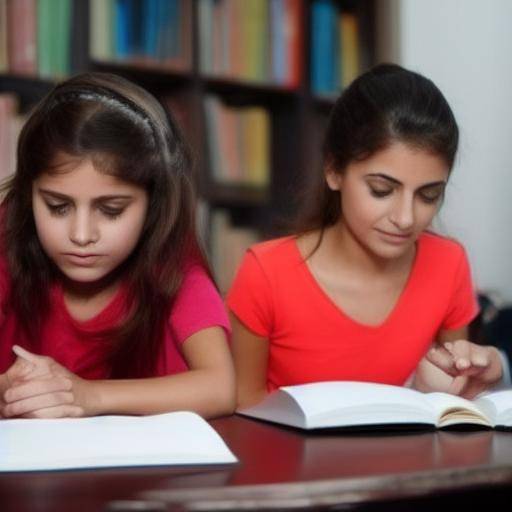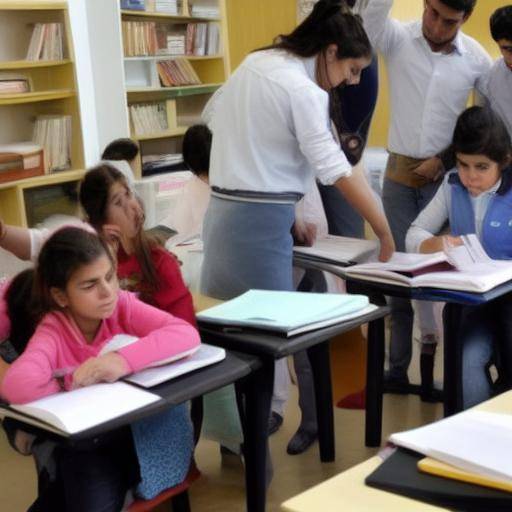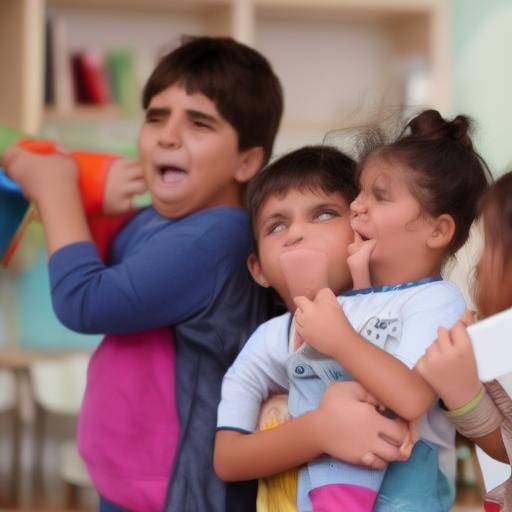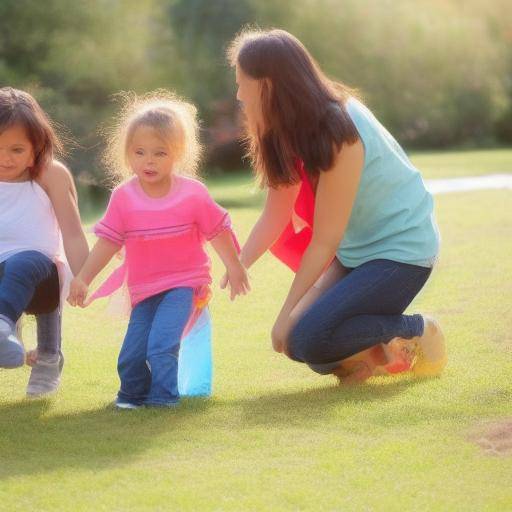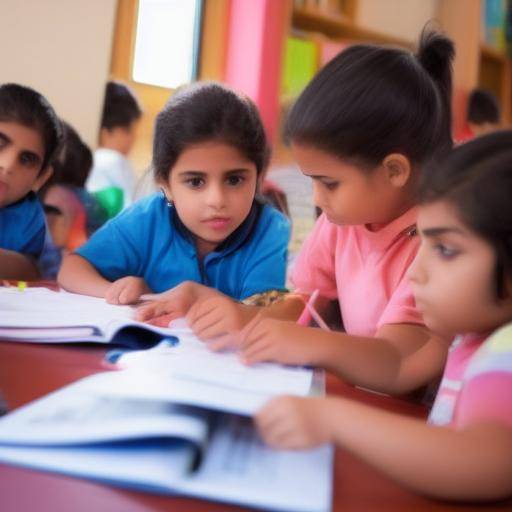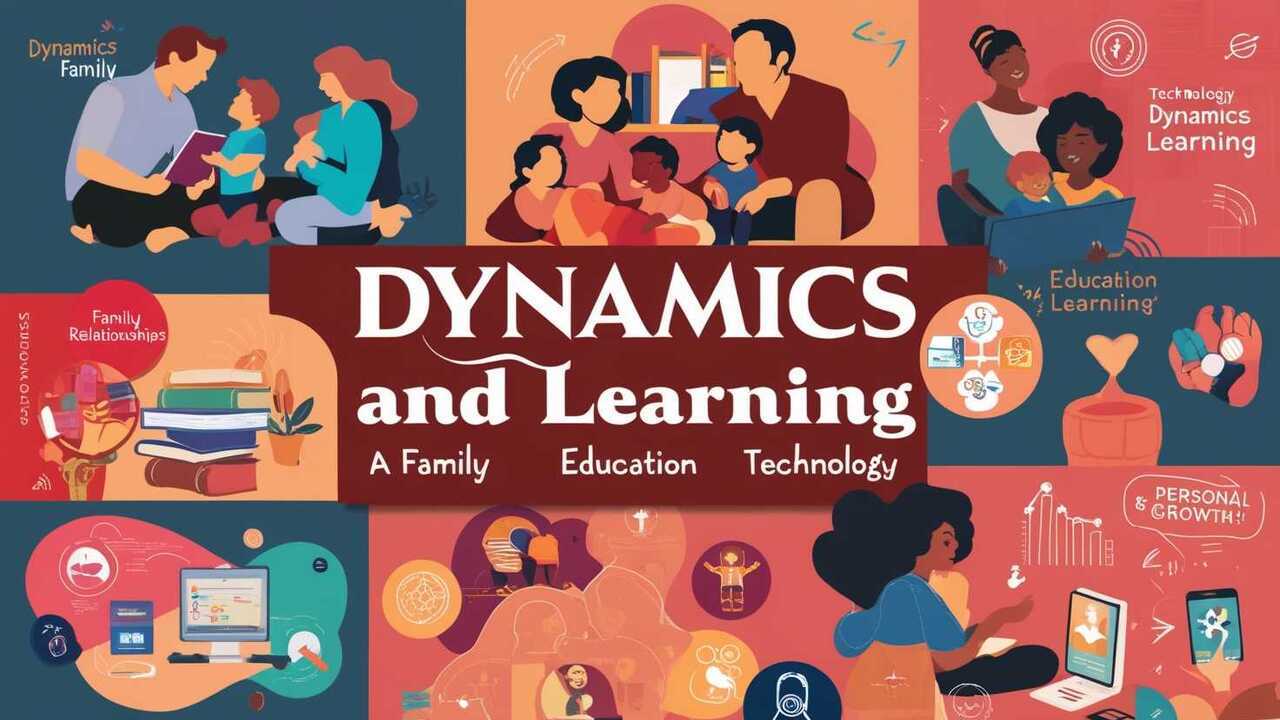
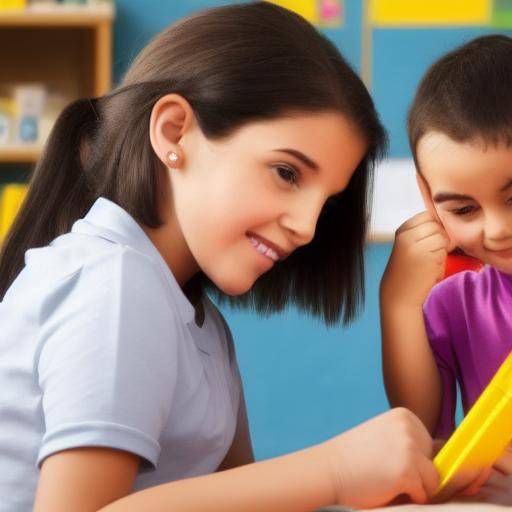
Emotional education has become a fundamental tool in the integral development of children. Through understanding and managing emotions, the little ones acquire skills that will be of great use to them throughout their lives. In this article, we will explore in detail the benefits of emotional education for child development, as well as its impact on an emotional, social and cognitive level. In addition, we will address historical data, deep analysis, best practices, comparisons, practical advice and expert views to provide a full spectrum of information.
Introduction
Emotional education is a growing issue of relevance in the field of children. It provides tools that enable children to understand, express and regulate their emotions in a healthy way, which directly affects their present and future well-being. We will then explore the substantial benefits of this training for the integral development of the youngest.
History and Background
Emotional education is rooted in the 1970s, when various studies began to identify the importance of emotional skills in academic performance and personal well-being. Since then, it has experienced significant growth, becoming a fundamental pillar of education. It focuses on cultivating emotional intelligence and promoting the development of empathy, self-consciousness and social skills.
The evolution of this discipline has been influenced by important figures, such as Daniel Goleman, whose book "Emotional Intelligence" served as a turning point for his popularity. Over the decades, emotional education has been adapted and extended to different educational contexts, highlighting its importance in the family and school environment.
Analysis in Deep
Benefits
Emotional education brings countless benefits to child development. It promotes self-consciousness, allowing children to understand and recognize their own emotions, as well as those of others. In addition, it promotes the development of effective communication skills, promotes conflict resolution peacefully and promotes empathy. These benefits have a positive impact on the quality of interpersonal relationships and the academic performance of children.
Challenges
Despite its many benefits, the implementation of emotional education also faces challenges, such as resistance from certain educational sectors, the lack of training for teachers in this area and the need to develop integrated programs that address emotions in the educational environment in a comprehensive manner.
Current trends
Emotional education has become very relevant today, being incorporated as a fundamental part of the curriculum in numerous educational institutions globally. The focus on the emotional well-being of children has led to the implementation of innovative strategies that seek to enhance these skills from early ages.
Comprehensive review
Applications and Best Practices
The practical applications of emotional education range from the integration of specific programs in schools to the inclusion of activities that encourage emotional management at home. The collaboration between teachers, parents and psychologists has proved to be highly effective in the successful implementation of this type of training.
Perspectives of Experts and Future Perspectives
Experts in the field of education and psychology agree to highlight the positive impact of emotional education on child development. They also point to the need to continue to develop effective strategies to address children ' s emotional needs in a comprehensive manner.
Comparative analysis
Emotional education in childhood shares similarities with cognitive education, both seeking balanced and comprehensive development of children. Emotional education, however, focuses on social abilities and emotions, while cognitive education focuses on intellectual development and academic learning. Both are complementary and fundamental in the growth of children.
Practical Tips and Accessible Recommendations
- Encourage emotional expression: Give children safe spaces to express their emotions and help them label them.
- Model emotional management: Show children how to manage your own emotions in a healthy and reflective way.
- Promotes empathy: Practice activities that encourage understanding of the emotions of others, such as role games or emotionally expressive story readings.
Ideas and Views of Industry and Experts
Experts in the field of psychology and education have emphasized the importance of promoting emotional education from an early age. They recognize that these skills are fundamental to the integral well-being of children and their future success in various areas of life.
Case Studies and Practical Applications
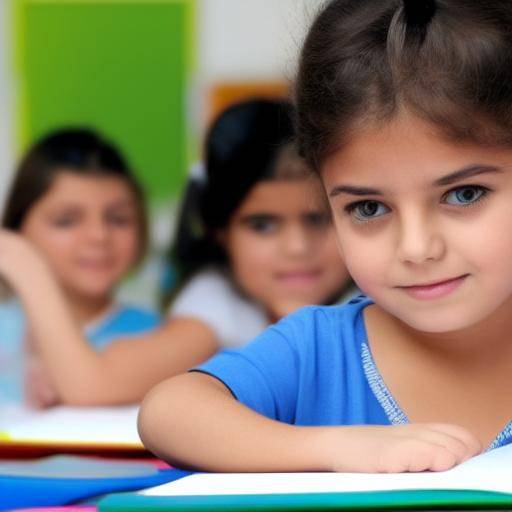
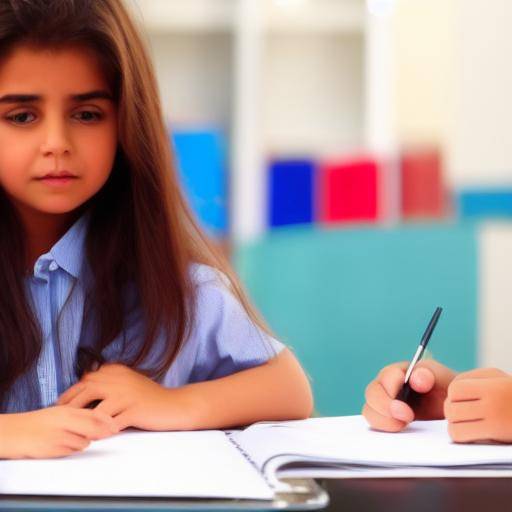
In the school context, the inclusion of emotional education programmes has resulted in a more harmonious environment and a significant decline in school harassment. Children have demonstrated greater ability to manage their emotions, resolve conflicts constructively and effectively collaborate with their peers.
Future Trends and Predictions
The future of emotional education is seen as promising, with a greater emphasis on integrating scientific evidence-based programs and the use of technology to strengthen emotional learning. This discipline is expected to continue to gain ground in global educational systems.
Conclusion
Emotional education offers countless benefits for child development, enhancing emotional skills that will be fundamental throughout the lives of children. Its impact on interpersonal relationships, academic performance and emotional well-being is undeniable. It is essential to promote their integration into educational and family environments, ensuring a more balanced and emotionally healthy future for new generations.
Frequently asked questions (FAQs)
How old should you begin with emotional education in children?
Emotional education can begin at any age, adapting strategies to the child's emotional understanding capacity. However, it has been observed that starting from early ages facilitates further development of these skills over time.
What are the main skills that are promoted through emotional education?
Emotional education promotes self-consciousness, self-regulation, empathy, social skills and interpersonal relationships management, among other fundamental emotional abilities.
How can I encourage emotional education at home?
Promoting open communication about emotions, practicing empathy, teaching self-regulation strategies and modeling healthy emotional expression are effective ways to promote emotional education at home.
What are the long-term benefits of emotional education in childhood?
Long-term benefits include increased ability to manage stress, healthier interpersonal relationships, better academic performance and higher conflict resolution skills.
How can I identify if my child benefits from emotional education at school?
Paying attention to positive changes in emotional expression, conflict resolution and empathy may indicate that your child is benefiting from emotional education at school.
What role do parents play in their children's emotional education?
Parents play a crucial role in promoting emotional education by modeling emotional skills, providing a safe environment for emotional expression and supporting self-regulation skills learning.
With detailed information on the benefits, challenges and practical applications of emotional education for child development, this article seeks to provide a comprehensive and detailed overview of the importance of this discipline in the upbringing and education of children. By understanding the benefits it provides at an emotional, social and cognitive level, readers can appreciate the importance of actively promoting emotional education in educational and family settings.
By addressing frequent questions and offering practical advice backed by field experts, this article aims to provide a comprehensive guide for parents, educators and professionals interested in enhancing children's emotional skills from an early age. Emotional education represents a fundamental path for the well-being and integral development of future generations, and its effective integration into the educational and family sphere is essential for an emotionally balanced future.