Introduction
The present world is marked by a religious diversity that requires understanding and respect. In this context, teaching religious diversity becomes essential to fostering tolerance and peaceful coexistence in society. In this article, we will explore effective strategies to address this issue in the educational field, providing a detailed view of its importance, challenges, best practices, and the role of religious diversity in cultural evolution.
History and Background
Religious diversity has been a constant throughout the history of humanity. From ancient civilizations to the modern world, different religions have influenced how societies are structured and related. In the Middle Ages, there was a mosaic of religious beliefs that coexisted, albeit sometimes in conflict. During the Renaissance, there was a flourishing of ideas and greater respect for the different visions of the world.
In the twentieth century, globalization brought together different religions, generating new dynamics and challenges. Religious diversity became an issue of primary importance in the educational and social spheres. These historical backgrounds demonstrate the relevance of addressing this issue in a comprehensive and respectful manner.
Detailed Analysis
The teaching of religious diversity poses unique challenges and opportunities. On the one hand, it allows students to understand the various expressions of spirituality, promoting empathy and respect. On the other hand, it can generate tensions and misunderstandings if not addressed with sensitivity and knowledge. It is crucial to analyze in depth the benefits and challenges that this teaching entails, and to highlight concrete examples of its impact on society.
Recent statistics show that multicultural societies benefit from understanding and respect for religious diversity. However, they also reveal that lack of education in this regard can lead to conflict and discrimination. It is essential to analyse these statistics and provide specific examples of how teaching religious diversity can shape positive attitudes in individuals and communities.
Comprehensive review
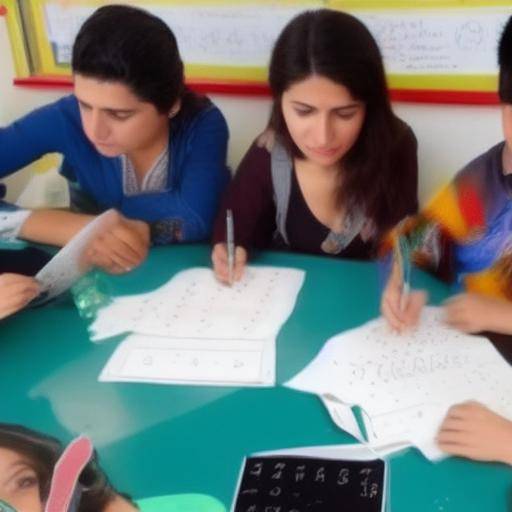
Strategies for teaching religious diversity should be based on best educational practices and interdisciplinary approaches. The integration of religious diversity into the school curriculum, the organization of interreligious activities, and the participation of religious leaders in the educational process are examples of effective approaches that foster mutual understanding and respect.
The experts agree that the promotion of open dialogue, the promotion of critical thinking and awareness through practical experiences are fundamental to the teaching of religious diversity. It is also crucial to understand the possible limitations and challenges involved in the development and implementation of these strategies.
Comparative analysis
When strategies for teaching religious diversity are compared, there are significant similarities and differences between different educational approaches. In some cases, religious diversity is taught as an independent theme, while in others it is integrated in a cross-sectional manner in various subjects. This comparison allows to identify the strengths and weaknesses of each approach, as well as the lessons learned that can be applied in diverse contexts.
Practical Tips and Accessible Recommendations
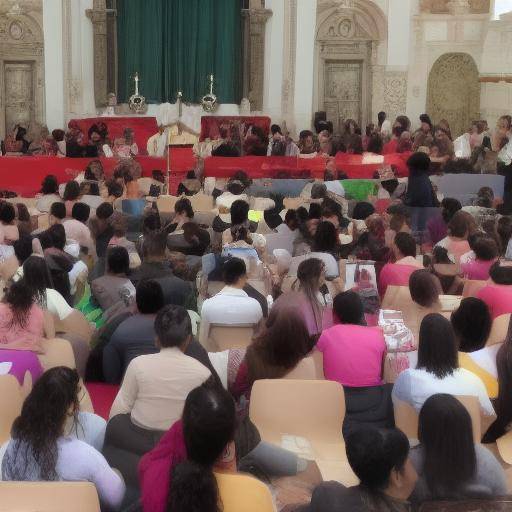
Implementing effective strategies for teaching religious diversity requires a combination of theoretical and practical approaches. Some practical recommendations include interreligious events, the invitation of religious representatives to classrooms, and the integration of religious diversity into multidisciplinary projects. These councils allow educators to address this issue in a comprehensive and meaningful way, fostering mutual understanding and appreciation of diversity.
Industry Perspectives and Expert Reviews
Several educational and religious experts have expressed their views on the teaching of religious diversity. Its perspectives offer an enriching view on the importance of including religious diversity in the school curriculum and the training of students. In addition, they highlight the importance of promoting spaces of dialogue and reflection that allow us to understand and value different religious beliefs.
Case Studies and Real Life Applications
Real case studies show how the teaching of religious diversity has had a positive impact on educational communities and ultimately on society at large. These cases illustrate how applied strategies have fostered an environment of respect and acceptance, promoting peaceful coexistence and intercultural understanding.
Future Trends and Predictions
Looking to the future, new trends and challenges are being seen in the teaching of religious diversity. Globalization, technological advances and demographic changes pose new scenarios that will require adaptations in educational strategies. Experts predict that the integration of religious diversity in the educational field and their understanding will be essential to building inclusive and cohesive societies.
Conclusions
In conclusion, the teaching of religious diversity is fundamental to building tolerant and respectful societies. The strategies discussed here offer a comprehensive picture of how to effectively address this issue in the educational field, promoting harmonious coexistence and a deep understanding of different religious expressions.
Frequently asked questions (FAQs)
Why is it important to teach religious diversity in schools?
The teaching of religious diversity in schools is crucial to fostering understanding, respect and tolerance among students. It provides an integral vision of the world and promotes peaceful coexistence in increasingly diverse societies.
What are the main strategies to address religious diversity in the classroom?
Strategies include the integration of religious diversity into the school curriculum, the organization of interreligious activities, the participation of religious representatives in the educational process and the promotion of open dialogue in the classroom.
How can educators promote respect for religious diversity among students?
Educators can promote respect for religious diversity through awareness-raising, the promotion of critical thinking, the promotion of interreligious dialogue and the celebration of diversity and inclusion in the classroom.
What is the impact of the teaching of religious diversity in society?
The teaching of religious diversity promotes mutual understanding, acceptance and respect, which contributes to a more inclusive, tolerant and peaceful society.
How can parents support the teaching of religious diversity at home?
Parents can support the teaching of religious diversity by promoting respect, openness to dialogue, and assessing cultural and religious differences among their children.
What are the most common challenges in teaching religious diversity?
Common challenges include lack of educational resources, resistance to the inclusion of religious diversity in the curriculum, and sensitivity to possible interreligious conflicts.
Conclusion:
Teaching religious diversity requires effective strategies that promote respect, understanding and peaceful coexistence. In addressing this issue comprehensively, schools and society as a whole can promote an inclusive and enriching environment. Understanding and respect for religious diversity are fundamental pillars for building a harmonious and multicultural future.
This article aims to provide a detailed view of the importance of teaching religious diversity, as well as effective strategies for achieving it. By promoting tolerance, mutual understanding and acceptance of religious diversity, we will be contributing to the construction of more just and respectful societies.
Remember that religious diversity enriches our human experience and it is our responsibility to foster respect and understanding among different beliefs. We hope that this guide will be a valuable resource for all those seeking to promote an inclusive and respectful environment in the educational field and beyond.