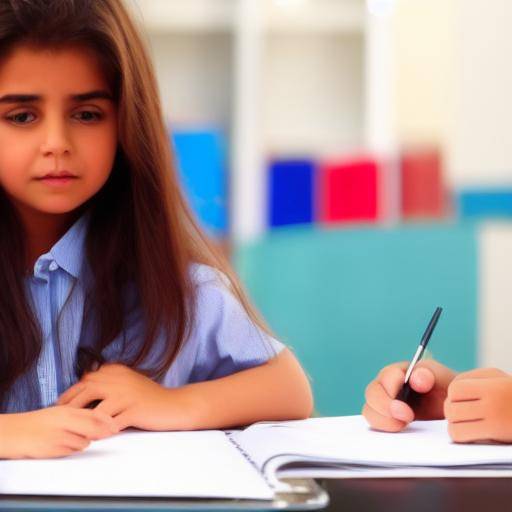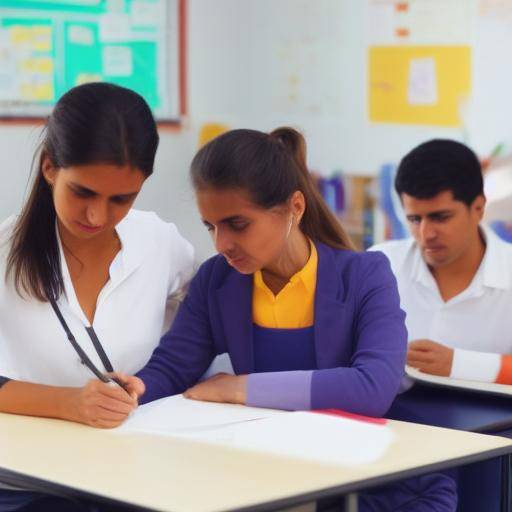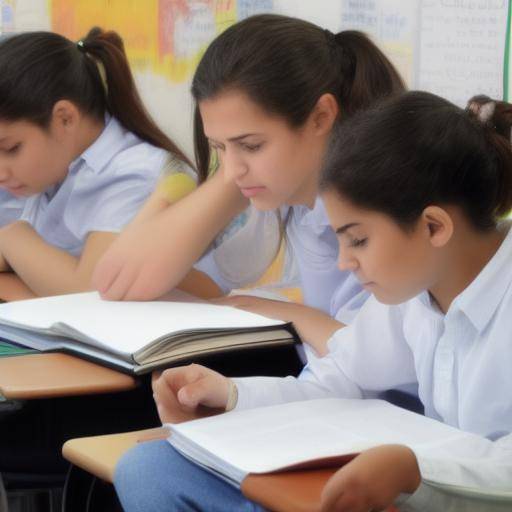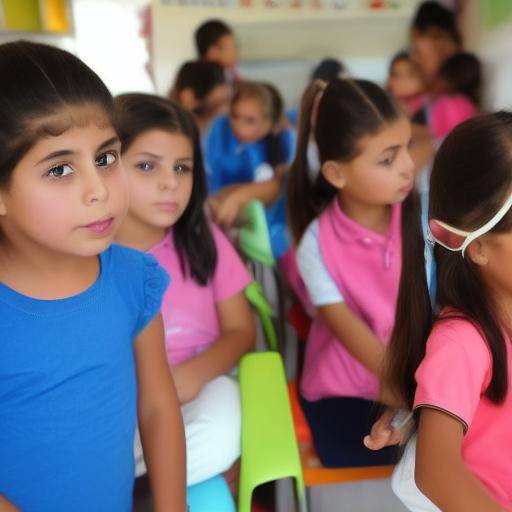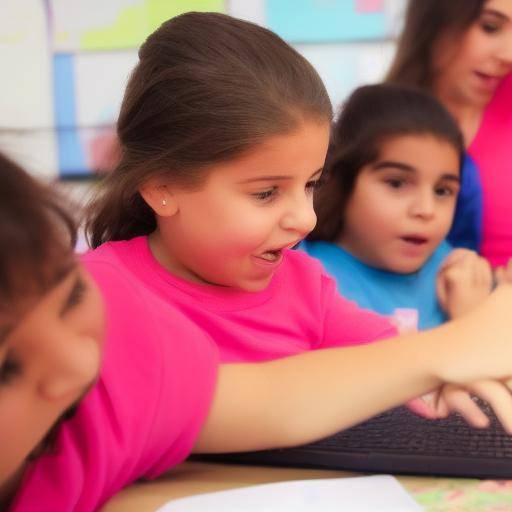
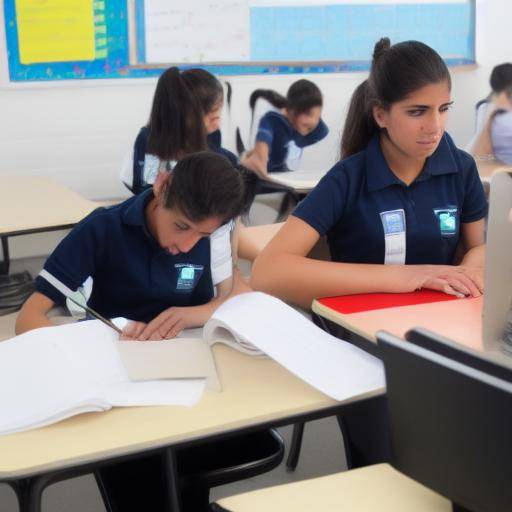
Teamwork is an essential skill that goes beyond the workplace and extends to different areas of life. In school, fostering teamwork not only improves academic performance, but also promotes social and emotional skills essential to the future of students. In this article, we will explore the importance of teamwork at school, as well as effective strategies to promote it in a comprehensive manner.
Importance of Teamwork at School
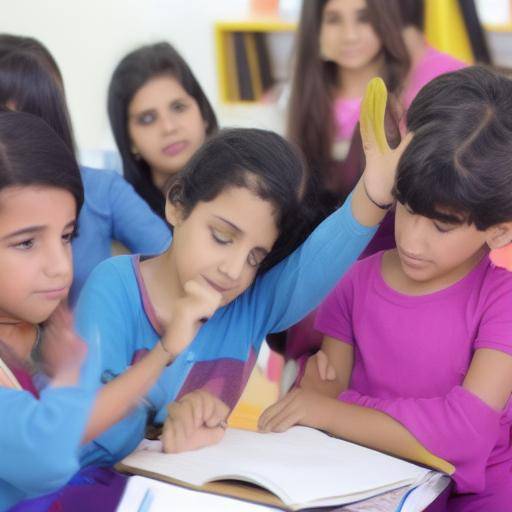
When it comes to education, teamwork plays a key role in the integral development of students. By collaborating with their peers, students have the opportunity to learn skills such as effective communication, problem solving, empathy and critical thinking. These skills are not only relevant to their academic success, but also to their long-term personal and professional development.
Benefits of Teamwork at School
- Social skills development: Teamwork promotes the development of social skills such as empathy, active listening and collaboration.
- Promoting critical thinking: In discussing ideas and solving group problems, students learn to think critically and consider different perspectives.
- Preparation for the world of work: Teamwork at school prepares students for future work environments, where collaboration is essential.
- Improved academic performance: When working together, students can complement their individual skills and achieve stronger academic results.
Effective Strategies to Promote Teamwork at School
Implementation of collaborative projects
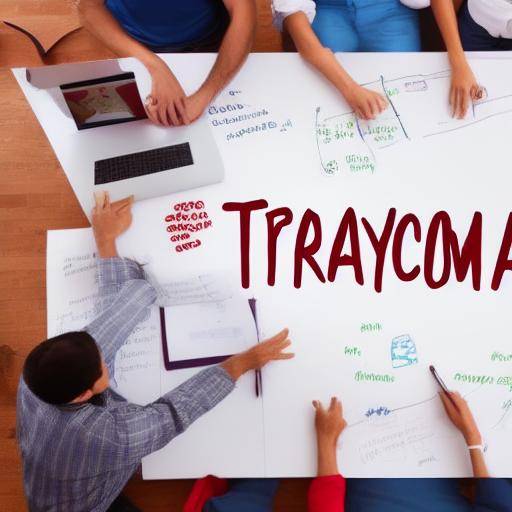
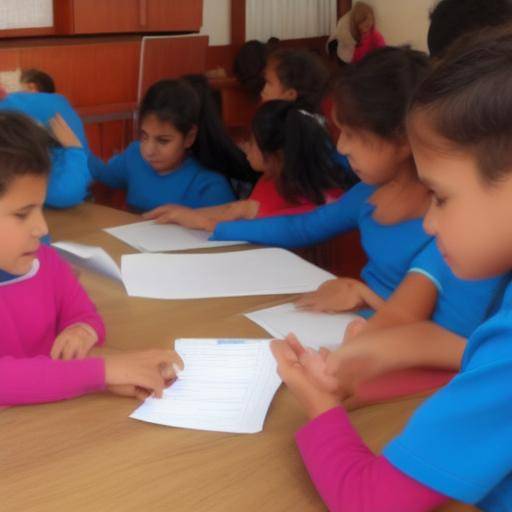
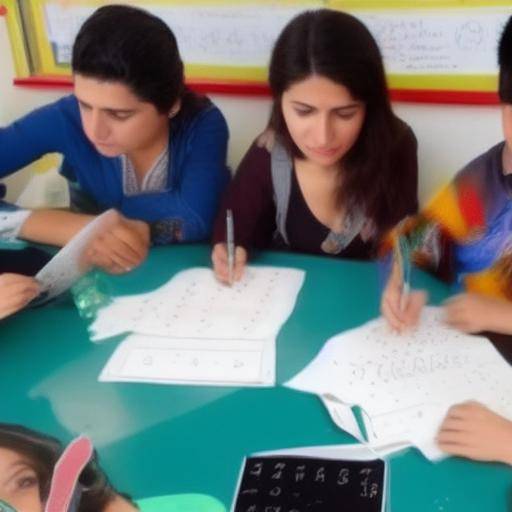
The realization of collaborative projects is an effective way of encouraging teamwork at school. By assigning tasks that require the active participation of students in groups, an enabling environment is created for collaboration and exchange of ideas.
Establishment of Clear Roles
By assigning specific roles to each team member, individual responsibility is encouraged and all students are guaranteed to contribute equally. Roles can include group leaders, communication facilitators, research managers, among others.
Promotion of Effective Communication
Promoting open and respectful communication among team members is essential for the success of teamwork. Teachers can teach effective communication strategies and provide clear guidelines for interaction within groups.
Evaluation 360°
Implementing assessments that consider both individual and collective performance allows students to recognize the importance of their contribution to the team and to receive constructive feedback for their personal development.
Use of Collaborative Technology
The use of technology platforms that facilitate collaboration, such as online editing tools, discussion forums and project management applications, can enrich the teamwork experience and prepare students for modern working environments.
Integration of Collaboration Games
Games and play activities that require cooperation and teamwork are a fun way to promote these skills in an educational environment. Teachers can use table games, group dynamics and simulations to promote teamwork in a playful way.
Final considerations
Promoting teamwork at school not only enriches the educational experience of students, but also prepares them to face future challenges effectively. By implementing strategies that promote collaboration and communication, teachers can contribute significantly to the integral development of students, providing them with the tools necessary to succeed not only in the academic environment, but also in the labour and social world.
FAQs
Why is it important to encourage teamwork at school?
Teamwork at school is fundamental because it promotes the development of social and emotional skills, improves academic performance and prepares students for future work environments where collaboration is essential.
How can teachers foster teamwork in the classroom?
Teachers can encourage teamwork in the classroom by implementing collaborative projects, establishing clear roles, promoting effective communication, 360° evaluation and integrating collaborative games.
What specific benefits does teamwork bring to students?
Teamwork brings benefits such as the development of social skills, the promotion of critical thinking, the preparation for the working world and the improvement of academic performance.
What role does technology play in promoting teamwork at school?
Technology can facilitate teamwork at school by offering collaborative platforms, online editing tools, discussion forums and project management applications that enrich the collaboration experience.
What is the importance of 360° evaluation in the context of teamwork at school?
The 360° evaluation is important in the context of teamwork at school because it considers both individual and collective performance, allowing students to recognize the importance of their contribution and receive constructive feedback.
How can students benefit long-term from teamwork at school?
Students can benefit in the long term from teamwork at school by developing key skills for their future, such as collaboration, effective communication, critical thinking and problem solving, which are fundamental in academic, labour and social contexts.
In short, fostering teamwork at school is not only a crucial part of the comprehensive development of students, but also preparing them for the future. By implementing effective strategies and promoting an enabling environment for collaboration, teachers have the potential to empower students with skills that will serve them throughout their lives.