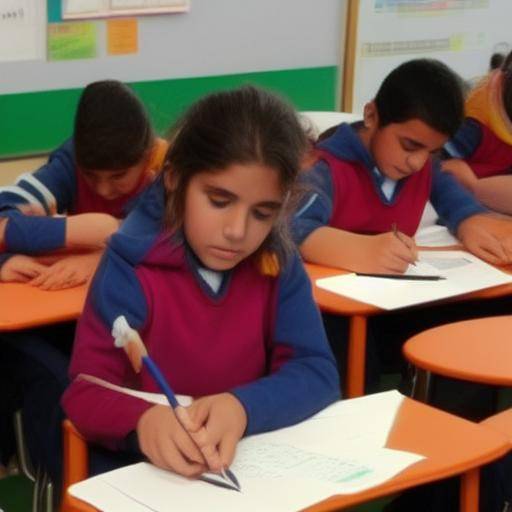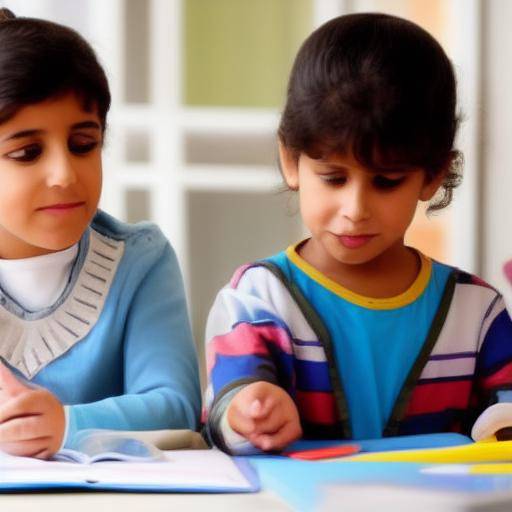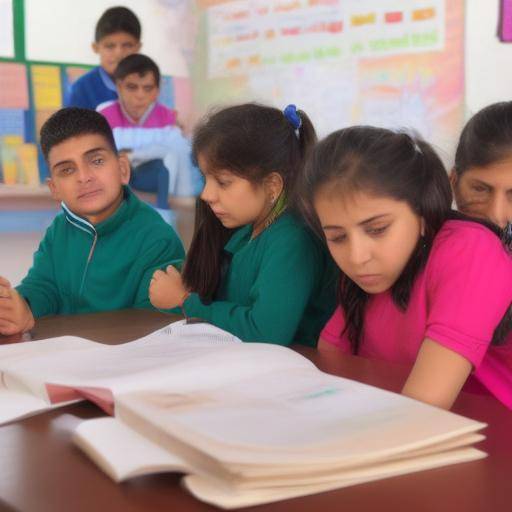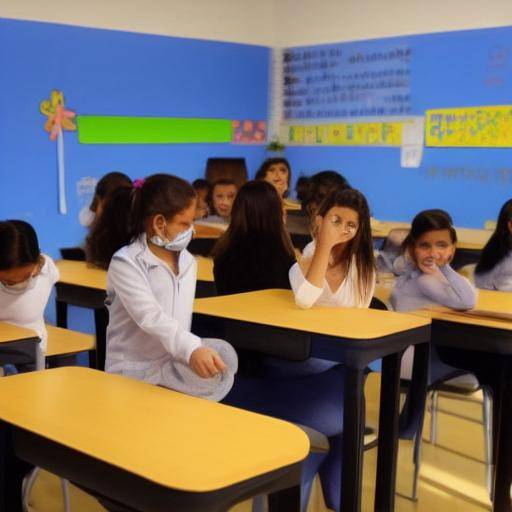

The transition from home to school is a crucial moment in the life of a child and his family. Strategies for a successful transition can make the difference in the adaptation of the child to its new educational environment. In this article, we will explore the importance of a smooth transition, offer practical advice to facilitate and analyse current trends in this process.
Introduction
The transition from home to school is a vital milestone in a child's experience. This period can generate intense emotions both in the small and in their families. From the uncertainty of the unknown to the excitement of new opportunities, the transition from home to school is a significant moment of change. In this article, we will explore effective strategies to facilitate this transition by providing parents and caregivers with the necessary tools to support their children during this momentous stage.
History and Background
To understand the importance of the transition from home to school, it is crucial to analyze its evolution over time. The first educational experiences are intrinsically linked to family ties and the transition from home to school environment. From the formation of the first educational institutions to the evolution of pedagogical practices, the transition from home to school has been a turning point in the lives of entire generations.
The transition from home to school has experienced different approaches throughout history. From the emphasis on discipline and obedience to the promotion of game and creativity, pedagogical approaches have varied considerably. The conception of the transition from home to school has evolved from a simple physical change to an integral process that encompasses emotional, social and cognitive aspects.
Analysis in Deep
The transition from home to school entails a number of benefits and challenges. Adaptation to a new environment, the development of social skills and exposure to enriching educational experiences are just some of the benefits that can be derived from this process. On the other hand, the separation of loved ones, the anxiety of adaptation and emotional overload can represent significant challenges for children and their caregivers.
At present, the transition from home to school has been the subject of growing interest by scholars, parents and educators. The analysis of effective practices, the identification of risk factors and the implementation of support strategies are topics that have gained relevance in the field of education. The integration of interdisciplinary approaches and collaboration among families, schools and communities have emerged as key aspects in the design of effective transition strategies.
Comprehensive review
Exploring the impact of the transition from home to school in the daily lives of children and their families is essential to understanding their reach and potential. The study of real cases, the identification of best practices and the implementation of innovative interventions are key aspects to optimize this process. The understanding of the individual needs of children, the promotion of a support environment and the creation of meaningful links are key elements in the construction of effective transition strategies.
The evaluation of success in the transition from home to school not only focuses on initial adaptation, but also on the long-term impact on the academic, emotional and social development of children. The implementation of continuous support strategies, the collection of data on academic performance and the observation of the overall well-being of children are key aspects in the comprehensive evaluation of this process.
Comparative analysis
The comparison of the transition from home to school with other adaptation processes, such as the transition from primary to secondary school or the integration into a multicultural educational environment, reveals essential elements in understanding their similarities and differences. While some strategies may be applicable in various contexts, it is essential to recognize the specificities and challenges of the transition from home to school.
The transition from home to school shares similarities with other adaptation processes, such as work change or transfer to a new community. The management of change, the construction of support networks and the orientation towards new opportunities are common aspects that require a reflective and strategic approach. The identification of patterns and trends in different transition processes can enrich the understanding and design of effective strategies for the transition from home to school.
Practical Tips and Accessible Tips
To facilitate a successful transition from home to school, it is crucial to have practical strategies and clear guidance. Here are some actionable tips that can help parents and caregivers support their children during this process:
- Establish consistent routines: Creating predictable routines can provide children with a sense of safety and stability in the midst of change.
- Promoting open communication: To encourage children to express their emotions and concerns can promote emotional resilience and strengthen the family bond.
- Pre-school visits: Providing opportunities for children to become familiar with the school environment can reduce anxiety associated with the unknown.
- Promoting participation in pre-school activities: Engaging children in educational activities prior to their formal admission to school can facilitate transition and foster the development of social skills.
Industry Perspectives and Expert Reviews
The perspectives of experts in the field of education and child development offer a privileged vision of current trends and best practices related to the transition from home to school. Collaboration with educators, child psychologists and pedagogues provides an opportunity to enrich transition strategies from up-to-date research and practical experiences. The opinions of experts are fundamental to support and enrich the advice and strategies presented throughout this article.
Case Studies and Real Life Applications
Case studies that illustrate concrete transition experiences from home to school offer a practical and applied overview of the strategies presented. Real case analysis provides an opportunity to examine how these strategies translate into real situations, identify specific challenges that arise in implementation and learn from the experiences of other parents and caregivers. Practical implementation of strategies is critical to assessing their effectiveness and relevance in different contexts.
Future Trends and Predictions
The educational landscape is constantly evolving, and future trends in the transition from home to school are inevitably influenced by various factors, such as technological advances, sociocultural changes and developments in pedagogy and research on child development. Adapting to hybrid educational environments, integrating digital tools into the transition process and promoting diversity and inclusion are trends that probably shape the future of this process.
Conclusions
In short, the transition from home to school is a critical moment in the life of a child, with significant implications for their development and well-being. The implementation of effective strategies to facilitate this transition can make a substantial difference in the adaptation and academic and emotional progress of children. In understanding historical developments, analysing contemporary approaches, providing practical advice and examining future trends, parents, caregivers and educators may be better equipped to support children during this momentous process.
FAQs
What are the main mistrusts children can face during the transition from home to school?
Children can face a wide range of challenges during the transition from home to school, ranging from anxiety for the separation of their caregivers to adaptation to a structured educational environment. Fear of the unknown, building new relationships with peers and teachers, and managing academic expectations are some of the common challenges. Facilitating open communication and providing emotional support can be critical to helping children overcome these challenges.
What is the role of parents and caregivers during the transition from home to school?
Parents and caregivers play a crucial role in the transition from home to school, as they act as the main facilitators of the process. Their emotional support, the creation of a safe and stable environment, effective communication with school and the promotion of consistent routines are fundamental aspects that can positively influence the adaptation of children. In addition, active collaboration with school and participation in preschool activities can contribute significantly to the transition process.
What are some effective strategies to prepare a child for the transition to school?
Preparing a child for the transition to school involves a combination of practical and emotional approaches. Establishing predictable routines, visiting pre-school, fostering independence and offering opportunities for emotional expression are effective strategies that can help children adapt to their new environment. In addition, participation in preschool activities and the promotion of enriching educational experiences can be beneficial in preparing children for this change.
How can the school facilitate the transition from home to school?
School plays a crucial role in facilitating the transition from home to school. The creation of welcoming and stimulating environments, the promotion of the active participation of parents in the educational process, individualized attention to the emotional and academic needs of children, and the implementation of guidance and support programmes are strategies that the school can employ to facilitate the transition. Open and transparent communication with parents and caregivers is critical to ensuring a successful transition.
What is the long-term impact of a successful transition from home to school in the development of a child?
A successful transition from home to school can have a significant impact on the long-term development of a child. The sense of security and confidence in the school environment, the building of social and emotional skills, and the promotion of a positive attitude towards learning are some of the benefits that can be derived from a successful transition. Successful adaptation to school can lay the foundation for academic success, self-esteem and emotional well-being over time.
What are the signs of a transition from home to successful school?
A successful transition from home to school is manifested through several positive signs. These may include increased child confidence and autonomy, building positive relationships with peers and teachers, active participation in school activities, and a general attitude of enthusiasm towards school. Furthermore, the expression of positive emotions in relation to school experience and successful academic performance are indicators of a successful transition.
Conclusion
In conclusion, the transition from home to school is a fundamental process that influences the well-being and future development of children. Understanding its historical evolution, detailed analysis of effective strategies, and consideration of future trends are key to facilitating a successful transition. By implementing practical strategies, fostering collaboration between parents, caregivers and school, and seeking expert support, it is possible to create an enabling environment for children to thrive during this change. By adopting a holistic and compassionate approach, we can ensure that the transition from home to school is an enriching and meaningful process for all involved.
In short, the transition from home to school is a key process in the life of a child and his family. The implementation of effective strategies can make a significant difference in the adaptation of children to their new educational environment. From understanding its historical evolution to the identification of effective contemporary practices, this article has thoroughly explored strategies for a successful transition. By adopting a holistic, practical and emotional approach, we can ensure that the transition from home to school is an enriching and meaningful time for all involved.
Remember that the transition from home to school is a unique experience for every child, and each family will have their own circumstances and challenges. By seeking support, keeping an open communication and being willing to adapt to your child's individual needs, you can be sure that you are providing the best possible support during this important change in your family's life.
I hope this article is helpful. If you need any additional modification, do not hesitate to ask me.