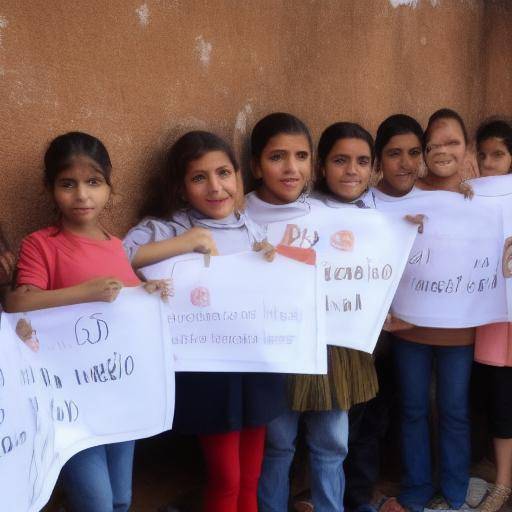
The school environment plays a key role in the academic, emotional and social development of students. It is crucial that schools promote an inclusive and respectful educational environment, where all students feel safe, valued and able to reach their full potential. In this article, we will explore the importance of fostering an inclusive and respectful school environment, as well as effective strategies and practices to achieve it. From history and context to practical advice and future trends, this article will provide a comprehensive and up-to-date view of how to improve the school environment for the benefit of all involved.
Introduction: Creating a Positive Educational Environment
The school environment is much more than just the physical facilities where education takes place. It includes interactions between students, teachers and school staff, established policies and standards, as well as attitudes and values that are encouraged within the educational community. A positive school environment can have a significant impact on the emotional well-being, academic motivation and long-term success of students.
Throughout history, the concept of inclusive and respectful school environment has evolved in response to social, cultural and educational changes. At present, there is greater recognition of diversity in classrooms and the importance of developing skills for coexistence and empathy.
History and Background: Evolution of an Inclusive Educational Environment
The concept of inclusion in the educational sphere has profound historical roots, which go back to the struggles for equality and civil rights. From the special education movement to the integration of persons with disabilities, there have been significant progress in providing equal opportunities for education.
In the development of an inclusive and respectful school environment, it is essential to understand past experiences and important milestones that have shaped the current approach to diversity and inclusion in schools. In exploring history and backgrounds, it is possible to better understand the challenges that still persist and the lessons that have been learned along the way.
Integral Analysis: Current Benefits, Challenges and Trends
The promotion of an inclusive and respectful school environment entails a number of benefits for all those involved. These include greater sense of belonging, reduction of harassment and discrimination, as well as improved academic performance and emotional well-being.
However, there are also challenges in the effective implementation of inclusive strategies, such as resistance to change, lack of adequate resources and the need for specialized teacher training. It is crucial to proactively address these challenges to ensure that initiatives to create an inclusive school environment are sustainable and effective in the long term.
In analysing current trends in promoting an inclusive and respectful school environment, it is possible to identify innovative practices and effective approaches that are emerging in different educational contexts. From mentoring programmes to inclusive curriculum approaches, there are numerous opportunities to adapt and improve the school environment.
Comprehensive Review: Practical Applications and Best Practices
Effective implementation of strategies to create an inclusive and respectful school environment requires a holistic approach covering policies, staff training, community participation and student support. In examining different case studies and examples of good practices, it is possible to identify the most effective strategies and key factors that contribute to long-term success.
In addition, it is essential to consider the perspectives of experts and educational leaders to understand the implications and challenges of creating inclusive and respectful school environments. In presenting an integral vision of practical applications and best practices, this analysis will provide readers with a deeper understanding of how they can contribute to the promotion of a positive school environment in their own educational environments.
Comparative Analysis: Integrating School Environment, Inclusive and Respectful
To fully understand the importance of the inclusive and respectful school environment, it is essential to compare and contrast these elements with the broader concept of a positive school environment as a whole. When examining how these components are interrelated and differentiated, potential synergies and areas of improvement can be identified to strengthen commitment to diversity and equity in education.
By highlighting concrete examples and real-life scenarios, this comparative analysis will give readers a more nuanced perspective of how they can integrate different elements to improve the school environment in their own educational communities.
Practical Tips and Accionable Recommendations: Promoting a Culture of Respect and Inclusion
By offering practical advice and recommendations, this article will provide readers with concrete and applicable tools to foster an inclusive and respectful school environment. By providing clear and accessible information, readers will gain valuable insights on how to address concrete challenges and actively promote a culture of respect and inclusion in their educational contexts.
Industry ideas and Expert Reviews: Future trends and forecasts
In analysing the trends and views of experts in the field of education, this article will provide readers with an up-to-date view of future implications and emerging opportunities in fostering an inclusive and respectful school environment. By highlighting the voices of educational leaders and industry professionals, readers will get valuable insights into the future course of inclusive education and the crucial role of the school environment in this process.
Case Studies and Practical Applications: Lessons Learned and Results
In presenting detailed case studies, this article will give readers concrete examples of how strategies have been implemented to promote an inclusive and respectful school environment in different educational contexts. In reviewing the results and lessons learned from these experiences, readers will be able to gain a deeper understanding of the challenges and opportunities in creating positive school environments.
Future Trends and Predictions: Setting the Future of an Inclusive Educational Environment
In exploring emerging trends and future predictions related to the promotion of an inclusive and respectful school environment, this article will provide readers with a prospective view of how education is evolving towards a more inclusive and equitable approach. By identifying potential challenges and potential opportunities in the future, readers can be strategically prepared to support a positive school environment in their own educational environments.
FAQ
Why is it important to foster an inclusive and respectful school environment?
An inclusive and respectful school environment is essential for the emotional, social and academic well-being of students. It provides a safe and welcoming environment where all students feel valued and have the opportunity to develop their maximum potential.
What are some common challenges in creating an inclusive school environment?
Some common challenges include resistance to change, lack of resources and the need for specialized training. It is also crucial to address entrenched prejudices and stereotypes to promote a culture of respect and genuine inclusion.
How can teachers and school staff contribute to an inclusive and respectful school environment?
Teachers and school staff play a crucial role in modeling inclusive behaviour, promoting empathy and understanding, and in creating an environment where individual differences are respected and valued. Continuous training and the development of diversity management skills are critical to their positive contribution.
What impact does an inclusive school environment have on students' academic performance?
Studies show that an inclusive school environment is associated with improved academic performance, greater commitment to school and greater self-esteem in students. Providing an environment where they feel safe and accepted allows them to concentrate and participate actively in their education.
What are some effective strategies to promote inclusion in the school environment?
Some effective strategies include peer mentoring programmes, diversity-based educational activities, and school policies that prohibit harassment and discrimination. Also, involving students in making decisions related to their school environment can foster a sense of belonging and responsibility.
How can the participation of parents and the community contribute to an inclusive and respectful school environment?
The active participation of parents and the community is essential to creating an inclusive and respectful school environment. Building partnerships and partnerships with families and the community at large can enrich the development of school policies and programmes that reflect the needs and values of such communities.
What is the role of technology in fostering an inclusive and respectful school environment?
Technology can play a significant role in providing educational resources and communication tools that promote inclusion and respect. Educational platforms can facilitate accessibility and personalization of learning, as well as foster collaboration and connection between students.
Conclusion
Promoting an inclusive and respectful school environment is a vital goal that requires concerted and ongoing efforts by the entire educational community. By prioritizing strategies and practices that promote diversity, equity and respect, schools can create an environment that promotes the growth and success of all their students. By offering a summary of the main points discussed in this article, the importance of cultivating an educational environment that celebrates diversity and provides opportunities for each student to flourish is strengthened.
In short, fostering an inclusive and respectful school environment is essential to nurture the growth and comprehensive development of students. In promoting diversity, equity and respect, schools can play a crucial role in creating informed, empathic and committed citizens with an inclusive society.
Implementing effective strategies and fostering a culture of respect and inclusion, schools can create a school environment that nurtures the potential of all students and prepares them for a future marked by diversity and collaboration.
By prioritizing emotional well-being, equal opportunities and mutual respect, schools can promote a positive change that benefits students, the educational community and society as a whole. Together, we can foster an inclusive and respectful school environment that nourishes the growth and success of future generations!
Recommended resources:
- Ministry of Education: https://www.mineduc.gob.gt/
- Unicef - Inclusive education: https://www.unicef.org/mexico/education-inclusive
- School Network for Parents: https://www.redescuelaparapadres.com/
Thank you for reading!
This article provides a general overview and guidance on fostering an inclusive and respectful school environment. For specific or expert advice in your educational context, we suggest that you communicate with professionals in the area of inclusive education.
I hope this article is useful!