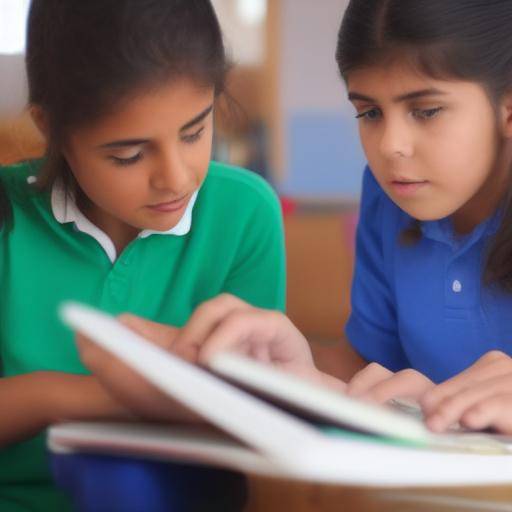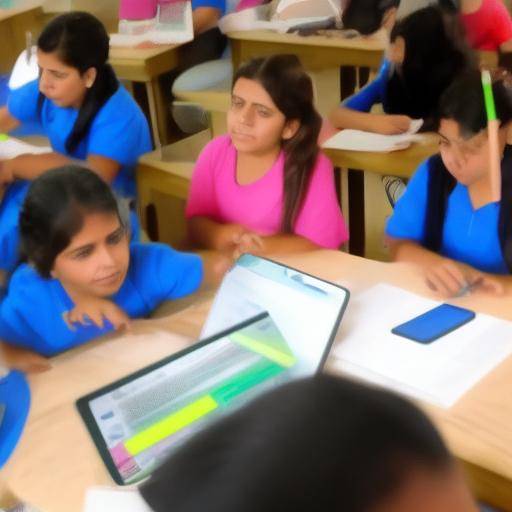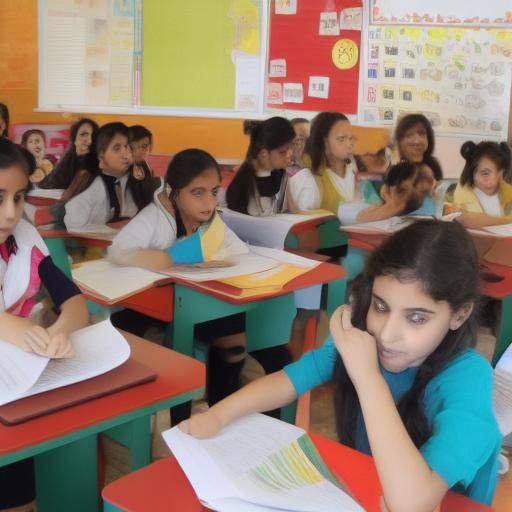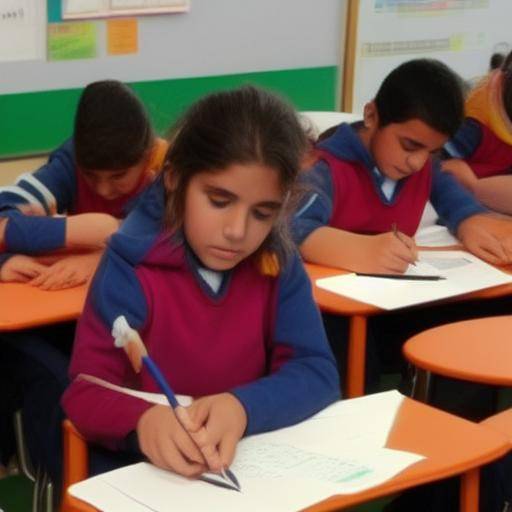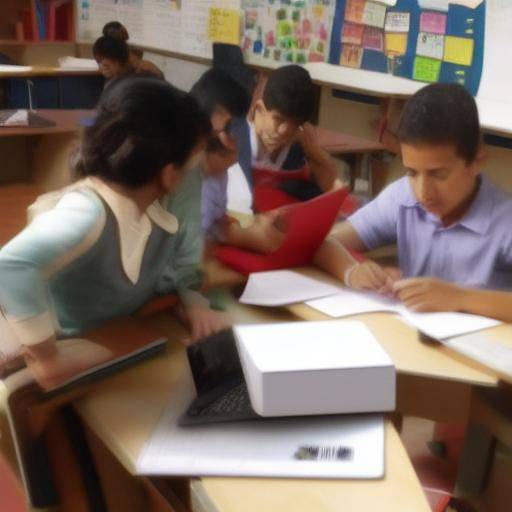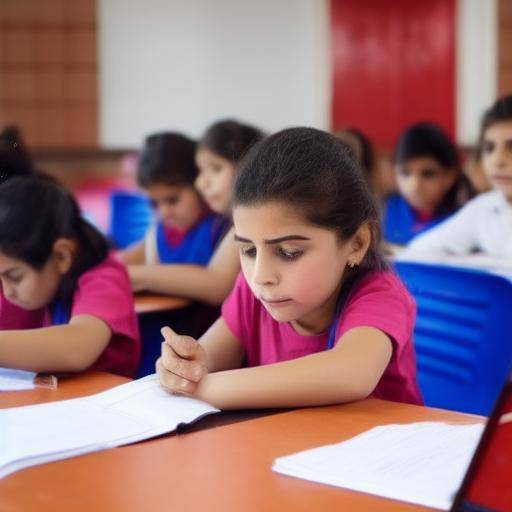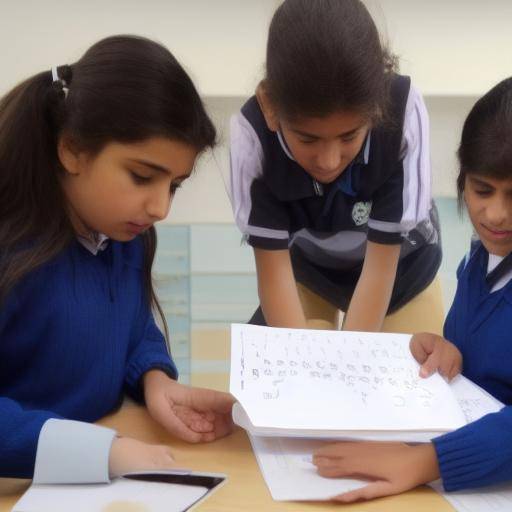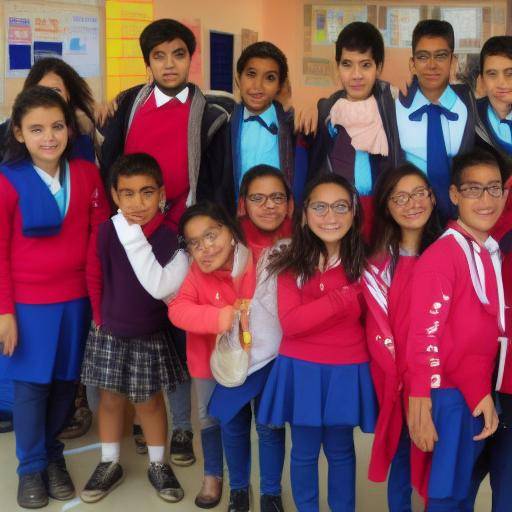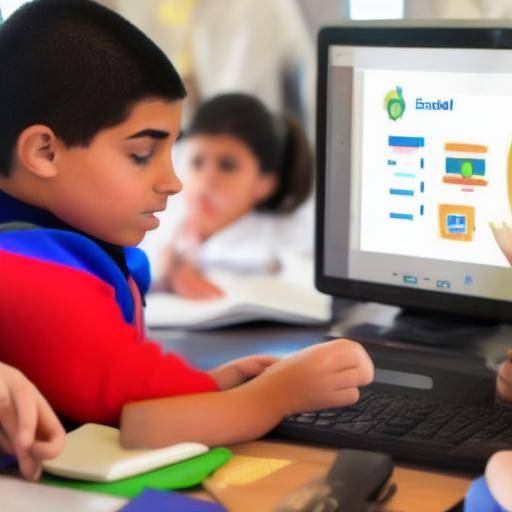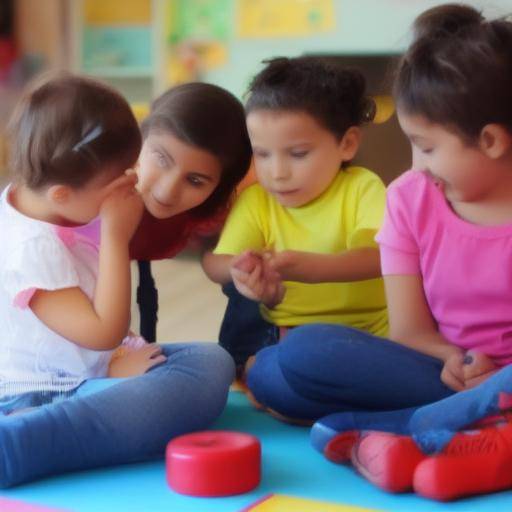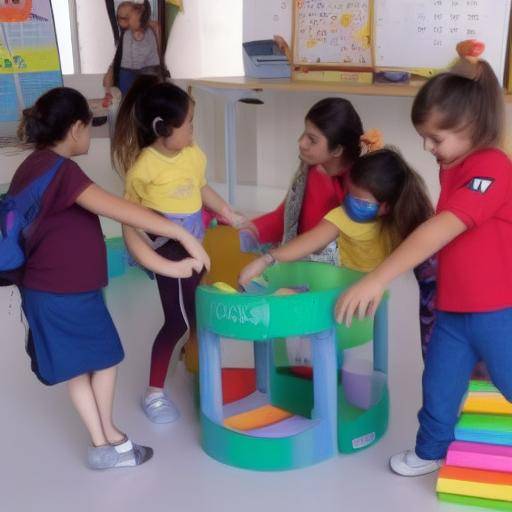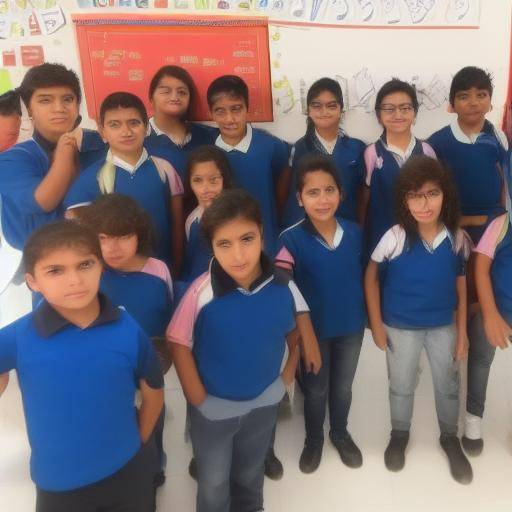
Inclusive education is a relevant and vital concept in today's society. Adapting the curriculum to ensure the inclusion of all students is critical to promoting equity and equal access to education. In this article, we will explore in detail how to adapt the curriculum for inclusive education, from its history and background, to future trends and predictions. We will also provide practical advice, expert opinions and case studies that illustrate their application in real life.
Introduction
Inclusive education refers to the practice of ensuring that all students, regardless of their background, individual characteristics or special needs, receive quality education in the same environment as their peers. This means adapting the academic curriculum to meet the needs of all students, providing additional support and resources when necessary.
In this article, we will address the adaptation of the curriculum as a means of promoting the inclusion and comprehensive development of students, and the challenges and benefits arising from this practice. We will begin by exploring the history and background of educational inclusion, followed by a thorough analysis of its implementation in the current context. We will also share practical advice, expert opinions, and explore future trends and predictions related to this topic.
History and Background
Inclusive education has its roots in social movements and civil rights that have advocated equal opportunities and respect for diversity. Throughout history, various milestones and events have influenced the evolution of inclusive education, since the Universal Declaration of Human Rights in 1948, which laid the foundation for equality in education, to the 2006 Convention on the Rights of Persons with Disabilities, which reaffirmed the right to inclusive education.
The concept of inclusive education has evolved over time, encompassing not only the integration of students with special needs, but also the consideration of cultural, linguistic and social diversity. Since the implementation of laws and policies at the national and international levels, to the formation of inclusive educational communities, there has been a significant change in the way education for all is conceived and practiced.
Educational inclusion is not only based on legal and regulatory aspects, but also seeks to create environments where all students feel valued and respected. Through the adoption of inclusive practices, a culture of acceptance, collaboration and mutual support is promoted in educational institutions.
Analysis in Deep
The adaptation of the curriculum within the framework of inclusive education presents a number of current benefits, challenges and trends. The most significant benefits include promoting diversity and respect for individual differences. By adapting the curriculum to meet the needs of all students, an environment in which the uniqueness of each student is valued, thus promoting a climate of respect and acceptance.
The implementation of inclusive practices is not without challenges, especially with regard to teacher training, availability of specific curriculum resources and adaptations. In turn, it is crucial to address these difficulties through teacher training, the provision of adequate materials and collaboration with families and the community.
At present, there is growing interest in the implementation of inclusive strategies, as well as advances in educational support technologies and resources that facilitate the effective adaptation of the curriculum. This trend demonstrates a renewed commitment to educational inclusion and constitutes an opportunity to strengthen more equitable and inclusive pedagogical practices.
Comprehensive review
The adaptation of the curriculum for inclusive education requires the implementation of effective practices and consideration of different pedagogical approaches. Through decay studies and best practices, it is possible to understand how these adaptations benefit all students, regardless of their individual characteristics. For example, by incorporating educational materials with multiple presentation modalities, students are given various opportunities to learn and demonstrate their understanding, which enriches everyone's educational experience.
It is essential to consider the active participation of students in the adaptation of the curriculum, as their involvement contributes to a more inclusive and participatory educational environment. The promotion of self-determination and choice in the learning process increases the motivation and commitment of students to their studies.
In addition, collaboration between teachers, support staff and specialists, as well as open and constant communication with families, are key elements in ensuring the effectiveness of curriculum adaptation and the emotional and academic well-being of students.
Comparative analysis
By comparing the adaptation of the curriculum, the concept of "curricular" and inclusive education, we can identify similarities, differences and possible synergies among these fundamental elements of education. The curriculum, in its broader conception, covers both learning content and teaching methods and resources used, while the adaptation of the curriculum focuses on the customization and flexibilization of such content and approaches to meet the individual needs of students.
For its part, inclusive education seeks to ensure the participation and success of all students, regardless of their characteristics, background and skills. The adaptation of the curriculum is an essential element in promoting educational inclusion by allowing all students to access quality education and achieve their full potential.
The synergy between these elements lies in the promotion of equitable education, in which diversity is valued, individual needs are met and mutual respect and understanding promoted. This interrelationship demonstrates the importance of considering the curriculum and its adaptation within the framework of inclusive education, in order to ensure fair and equitable educational opportunities for all students.
Practical Tips and Accessible Advice
The adaptation of the curriculum for inclusive education requires careful planning and implementation of effective strategies. Some practical tips include:
- Know the individual needs of students: Identify the strengths, challenges and learning preferences of each student to adapt the curriculum effectively.
- Use resources and support technologies: Integrate accessible educational materials, aid devices and support technologies that facilitate access to the curriculum for all students.
- Promote active participation: Provide opportunities for students to participate in planning and evaluating their own educational process, thus promoting self-determination and commitment.
- Collaborate with the education team and families: Keep an open and collaborative communication with other educators, support staff and parents to ensure the success of the curriculum.
The implementation of these councils contributes to the creation of inclusive educational environments that promote meaningful learning and holistic development for all students.
Industry Perspectives and Expert Reviews
The perspectives of industry and the views of experts in the field of inclusive education offer an enriching vision of current trends, challenges and opportunities. According to experts, it is essential to recognize that the diversity of students enriches the school environment and enriches the educational experience for all. A culture of respect, acceptance and appreciation of diversity is needed to create inclusive educational environments.
On the other hand, the importance of providing adequate support and resources to ensure that curriculum adaptation is effective and meaningful is emphasized. This involvement requires a continuous commitment by part of educational authorities, school establishments and the community at large, including the development of inclusive policies and the allocation of specific resources for the implementation of inclusive practices.
In addition, experts highlight the need for continuing education, including strategies to adapt the curriculum and meet the individual needs of students, as well as the promotion of inclusive and differentiated teaching practices. This training not only affects the quality of teaching, but also contributes significantly to the educational experience of students.
The views of the experts reinforce the importance of considering the adaptation of the curriculum as a fundamental pillar of inclusive education, and underline the need for a collective commitment to ensure that all students have access to quality education in inclusive and equitable environments.
Case Studies and Real Life Applications
Case studies provide concrete examples and practical applications of curriculum adaptation in real educational environments. For example, the implementation of differentiated education strategies and the customization of the curriculum have proved effective in meeting the individual needs of students, promoting their participation and academic achievement.
Similarly, educational programmes and projects have been developed that incorporate inclusive methodologies, such as cooperation among teaching professionals, adaptation of curriculum materials and the use of support technologies, which have generated positive results in the learning experience of students.
These cases illustrate how the adaptation of the curriculum contributes to the creation of educational environments in which all students have the opportunity to learn, participate and progress, regardless of their individual characteristics.
Future Trends and Predictions
Future trends in the educational field are aimed at greater awareness and commitment to inclusive education, including adaptation of the curriculum as a fundamental practice. Technological advances and innovative pedagogical strategies are expected to facilitate the implementation of inclusive practices, providing resources and tools that meet the individual needs of students effectively.
In turn, there is a greater emphasis on teacher training in the field of inclusive education, in order to train educators in the implementation of strategies to adapt the curriculum, inclusion and diversity. This continuing training will enable teachers to address the varied needs of students in a comprehensive and effective manner, thereby promoting equitable and accessible education for all.
Conclusions
In short, the adaptation of the curriculum for inclusive education is a central element in the search for equitable and quality education for all students. Throughout this article, we explore the historical and current importance of inclusive education, as well as the challenges and opportunities that arise
in its implementation.
We have highlighted both the benefits of the adaptation of the curriculum and the challenges it entails, and provide practical advice, expert opinions, case studies and future trends that provide an integral view of this fundamental topic in the field of education.
Ultimately, the adaptation of the curriculum for inclusive education requires a collective commitment to create educational environments that value and respect the diversity of students, and to ensure that each student has the opportunity to develop their full potential within an inclusive and equitable framework.
Frequently asked questions
What is the adaptation of the curriculum in the context of inclusive education?
The adaptation of the curriculum involves changing the contents, methods, materials and educational resources to meet the individual needs of students, ensuring their access to quality education and their active participation in the learning process.
What are the main benefits of curriculum adaptation for inclusive education?
The adaptation of the curriculum promotes diversity, respect for individual differences, and the integral development of students. It also contributes to the creation of inclusive educational environments that foster meaningful learning for all students.
What are the most common challenges in the adaptation of the curriculum for inclusive education?
Some common challenges include the availability of adequate resources and materials, teacher training in inclusive strategies, and the need for collaboration among different educational actors to ensure the effectiveness of curriculum adaptation.
How can teachers adapt the curriculum to meet the individual needs of students?
Teachers can adapt the curriculum by customizing teaching approaches, incorporating differentiated materials and resources, and flexible planning that takes into account the different ways of learning and participating in students.
What is the role of technology in adapting the curriculum for inclusive education?
Technology can play a key role in providing resources and support tools, facilitating access to information, and supporting the collaboration and active participation of students in the educational process.
What are future trends in the adaptation of the curriculum for inclusive education?
Increased integration of inclusive strategies, the development of more advanced support technologies and a renewed approach to teacher training is expected to promote inclusive and equitable practices in education.
Why is it important to consider the adaptation of the curriculum within the framework of inclusive education?
The adaptation of the curriculum is critical to ensuring that all students have access to quality education, promoting equitable and respectful learning of diversity, and fostering the integral development of each student.
In conclusion, the adaptation of the curriculum for inclusive education is a fundamental pillar in the search for equitable and quality education for all students. We hope that this article has provided a comprehensive and enriching view on this crucial issue in the field of education.