
Introduction
Adaptable mentality is an essential skill in the current world, characterized by constant changes and rapid technological advances. Promoting this mentality in students is crucial to their future success. In this article, we will explore effective strategies to cultivate an adaptable mentality in students, addressing their importance, benefits, challenges and practical applications. We will learn how to promote adaptable mentality through innovative methods, educational models and practical advice.
History and Background
The adaptable mentality has its roots in the theory of the growth mentality of Carol Dweck, which emphasizes the idea that abilities and abilities are malleable and can be developed through effort and practice. This theory has evolved over the years, incorporating research into neuroscience and positive psychology.
The adaptable mentality has become a relevant issue in education because of the need to prepare students to face a constantly changing working environment. Technological advances, globalization and automation have transformed the nature of work, requiring individuals to adapt agilely to new situations and challenges.
It is essential to understand the history and background of the adaptable mentality to develop effective strategies that encourage their adoption in the educational field.
Detailed Analysis
Benefits of Adaptable Mentality
Adaptable mentality promotes resilience, creativity and innovation capacity in students. It allows them to face challenges with a proactive attitude, see opportunities in changing situations and learn from their mistakes. In addition, cultivating an adaptable mentality can significantly improve problem solving capacity and decision-making in uncertain contexts.
Challenges to Foster Adaptable Mentality
Despite their benefits, fostering an adaptable mentality in students can present challenges. Some students can resist change, feel overwhelmed by uncertainty or lack the emotional skills necessary to adapt. It is essential to address these challenges with empathy and to provide an environment of learning that fosters trust and experimentation.
Current Trends in Promoting Adaptable Mentality
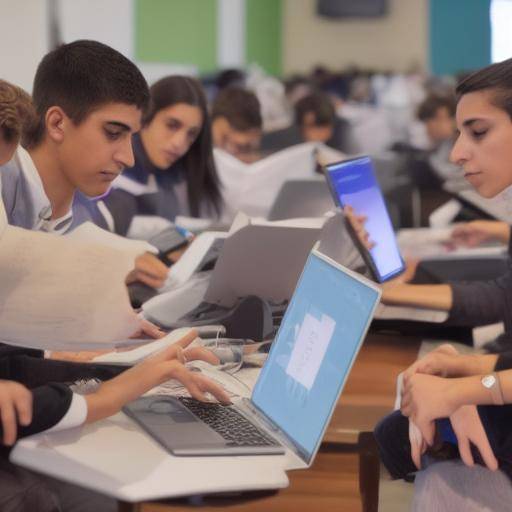
Current trends in education are geared towards the integration of technology, project-based learning and interdisciplinary collaboration, all of which promote the development of an adaptable mentality. Educational institutions are adopting innovative approaches focused on encouraging curiosity, autonomy and adaptive capacity in students.
Exhaustive examination
Adaptable Mentality Practices
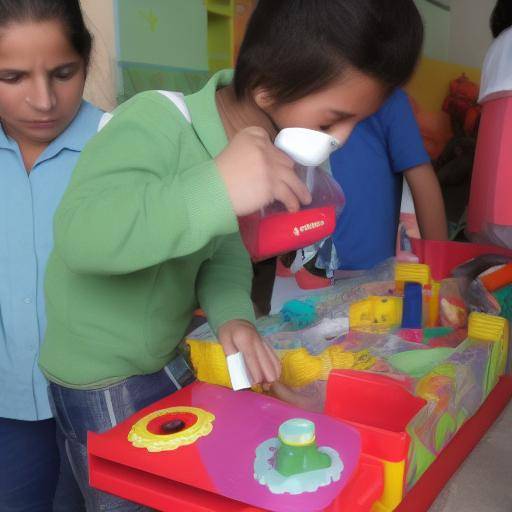
In the classroom, teachers can foster the adaptable mentality by designing tasks and challenges that require different strategies and approaches. By allowing students to face complex problems and find creative solutions, their ability to adapt to changing demands is enhanced.
Best Practices in the Promotion of Adaptable Mentality
To foster an adaptable mentality, it is crucial to provide constructive feedback that encourages students to explore new ideas and approaches without fear of failure. In addition, practical learning experiences and focus on soft skills, such as effective communication and critical thinking, are critical to promoting an adaptable mentality in students.
Perspectives and Vision Futura
Education experts agree that adaptation capacity will be increasingly valued in the future labour market. The adaptable mentality is a significant differential for individuals, as it allows them to face the changing challenges of the global working environment. The future vision aims at greater integration of the adaptable mentality into educational programs and an emphasis on the development of adaptive skillsWhat you need to know about the adaptable mentality in students
The ability to adapt to changes is an indispensable skill in the current environment, characterized by constant transformations in technology, economy and society. In the field of education, fostering an adaptable mentality in students is essential to adequately prepare them for future challenges.
Benefits of Adaptable Mentality
Adaptable mentality promotes resilience, creativity and innovation capacity in students. It allows them to face challenges with a proactive attitude, see opportunities in changing situations and learn from their mistakes. In addition, cultivating an adaptable mentality can significantly improve problem solving capacity and decision-making in uncertain contexts.
Challenges to Foster Adaptable Mentality
Despite their benefits, fostering an adaptable mentality in students can present challenges. Some students can resist change, feel overwhelmed by uncertainty or lack the emotional skills necessary to adapt. It is essential to address these challenges with empathy and to provide an environment of learning that fosters trust and experimentation.
Effective Strategies for Promoting Adaptable Mentality
- Promotion of problem-solving: Design activities that require students to find creative solutions to complex situations.
- Project-based learning development: Integrate projects that require adaptation to different approaches and ideas.
- Approach to soft skills: Develop skills such as effective communication and critical thinking, fundamental to adaptability.
Future of Adaptable Mentality in Education
The adaptable mentality has become increasingly relevant in the global labour market, and this trend is expected to continue. It is crucial that educational programmes integrate adaptable mentality development as a central component, preparing students to face the challenges of the future with confidence and adaptive capacity.
In short, fostering an adaptable mentality in students is fundamental in the current context. Providing them with the ability to adapt to changing situations will enable them to successfully face and overcome future challenges. It is the responsibility of educators and educational institutions to actively promote the development of this crucial skill in students.