
Introduction
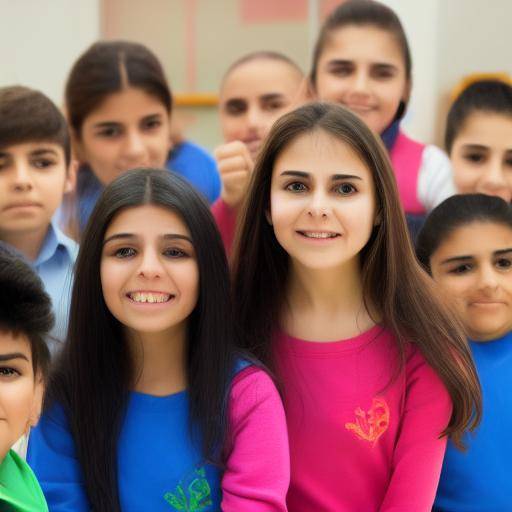
In an increasingly interconnected and diverse world, the need to create curricula that reflect multiculturalism becomes fundamental. Today's society requires global professionals and citizens aware of cultural diversity and able to interact and collaborate in multicultural environments. In this article, we will explore how to create a multicultural curriculum, from its historical foundation to best practices and future trends. We will also discuss the importance and challenges of incorporating cultural diversity in the educational field.
History and Background
The concept of a multicultural curriculum is rooted in the need to recognize and respect the various traditions, values and forms of knowledge present in societies. Since its inception, education has been shaped by dominant cultures, overlooking the wealth and variety provided by different communities. It is crucial to understand that multicultural education is not only about including certain contents in the curriculum, but rather about transforming educational paradigms to adapt to cultural diversity and promote equity and inclusion.
Throughout history, different movements and educational approaches have promoted the integration of multiculturalism in the curricula. From the struggles for civil rights to pedagogical flows that emphasize the importance of intercultural understanding, each stage has provided new perspectives and approaches. For example, the movement of ethnic studies in the 1960s and 1970s in the United States was instrumental in expanding education and understanding of the different cultures present in society.
Analysis in Deep
Benefits of a Multicultural Studies Plan
The inclusion of cultural diversity in the curriculum not only enriches the educational experience, but also prepares students for a globalized society. The benefits go beyond mere exposure to different cultures; they include promoting respect, empathy, equity and promoting social justice. In addition, a multicultural curriculum can contribute to a greater sense of belonging and self-esteem among students from minority communities.
Current Challenges and Trends
Despite the obvious benefits, the effective implementation of a multicultural curriculum presents significant challenges. These challenges range from resistance to changes in traditional educational programmes to lack of resources and teacher training. It is crucial to address these barriers to achieving a genuine integration of multiculturalism in education.
Current trends show a more holistic approach to multicultural education, including re-evaluating educational materials, supporting linguistic diversity and promoting pedagogical models that incorporate the experiences and perspectives of diverse cultures.
Comprehensive review
Applications and Best Practices
Various educational organizations and countries have implemented effective strategies to develop curricula that reflect multiculturalism. For example, some educational systems have adopted interdisciplinary approaches that integrate cultural elements in all areas of study. In addition, collaboration with multicultural communities and the inclusion of diversity in teacher training are key aspects of best practices.
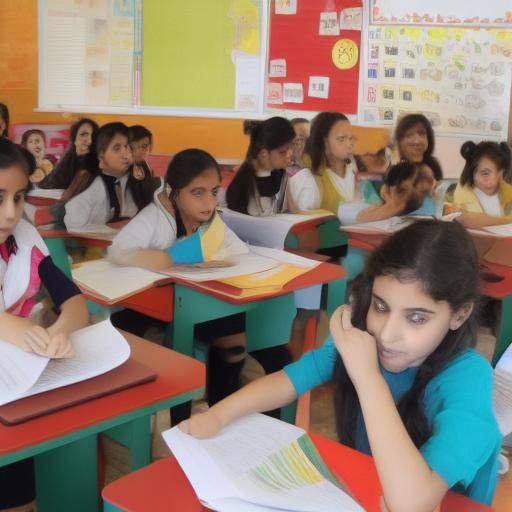
In terms of specific applications, schools and universities have implemented educational programmes that incorporate cultural diversity through research projects, student exchanges and extracurricular activities that promote intercultural understanding.
Outlook of Experts
Multicultural education experts agree on the importance of a comprehensive approach that goes beyond simply including different cultures in the curriculum. They emphasize the need to develop curricula vitae that encourage critical reflection on diversity, equity and social justice. In addition, they underscore the importance of teacher training in intercultural skills and collaboration with local communities to enrich student learning.
Comparative analysis
The comparative approach between traditional curricula and multicultural curricula highlights the fundamental differences in terms of content, pedagogical approaches and expected results. While traditional curricula may be focused on homogenizing and transmitting knowledge from a single dominant cultural perspective, multicultural curricula seek to reflect the diversity of voices, experiences and values. This comparison highlights the advantages of adopting a multicultural approach to education.
Practical Tips and Recommendations
In creating a multicultural curriculum, it is essential to consider the inclusion of diverse content that reflects the contributions of various cultures to humanity. In addition, the training of teachers in intercultural skills and the creation of spaces for dialogue and reflection on cultural diversity are key aspects. The establishment of collaborative relationships with local communities is also recommended to enrich the educational experience.
Industry and Expert Reviews
Companies and organizations operating in increasingly diverse environments value the intercultural skills of their employees. The integration of a multicultural curriculum can help to train professionals with a greater capacity for adaptation, empathy and understanding of cultural differences. Experts highlight the importance of investing in the formation of future generations to be prepared for a globalized and diverse world.
Case Studies and Practical Applications
Case studies provide concrete examples of the implementation of multicultural curricula in different educational contexts. These cases show the challenges faced, successes achieved and lessons learned. In addition, they provide an overview of differences and similarities in the implementation of multicultural curricula in different countries and educational systems.
Future Trends and Predictions
Future trends in education are aimed at greater integration of multiculturalism in the curricula, as well as a more globalized and collaborative approach. Digital technologies are expected to play an important role in the creation and dissemination of multicultural educational content. In addition, there is a greater emphasis on teacher training in intercultural skills and the promotion of inclusive educational environments.
Conclusions and FAQs
In short, the creation of a multicultural curriculum is essential to form global citizens aware of cultural diversity and able to interact in multicultural environments. The effective implementation of a multicultural curriculum requires a holistic approach that incorporates cultural diversity in all educational areas and promotes equity and inclusion. In addition, teacher training, collaboration with local communities and critical reflection on diversity are key areas for the success of a multicultural curriculum.
Frequently asked questions
1. What is a multicultural curriculum?
A multicultural curriculum is one that incorporates cultural diversity in all its aspects, from content to pedagogical approaches, with the aim of promoting equity, inclusion and intercultural understanding.
2. What are the benefits of a multicultural curriculum?
Benefits include promoting respect, empathy and equity, as well as preparing students to interact in global and diverse environments.
3. How can teachers implement a multicultural curriculum?
Teachers can implement a multicultural curriculum through the inclusion of diverse content, collaboration with local communities and the promotion of critical reflection on diversity.
4. What are the challenges of implementing a multicultural curriculum?
Some of the challenges include resistance to changes in traditional educational programmes, lack of resources and teacher training, as well as the need to re-evaluate educational materials from an intercultural perspective.
5. How can companies benefit from a multicultural curriculum?
Companies can benefit from trained employees in intercultural skills, which allows them to adapt to diverse and global working environments.
6. What are future trends in multicultural education?
More multiculturalism is expected to be integrated into the curricula, a more globalized and collaborative approach, as well as a greater emphasis on teacher training in intercultural skills.
In short, the creation of a multicultural curriculum is essential for preparing future generations to live and work in a globalized and diverse society. The effective integration of cultural diversity in education not only benefits students, but also contributes to building more inclusive and equitable societies.