Introduction
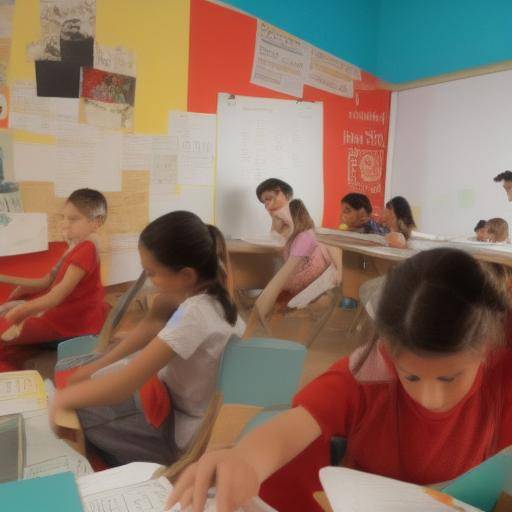
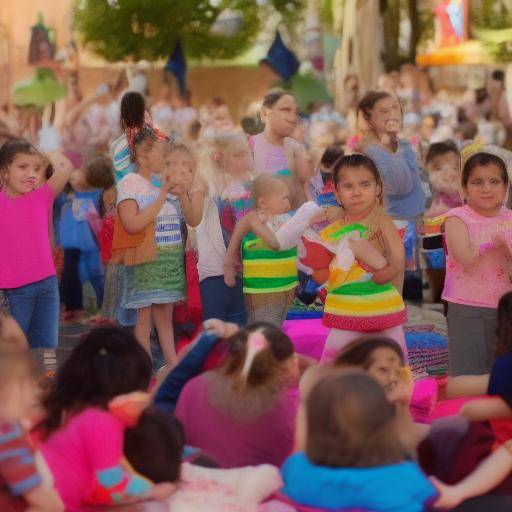
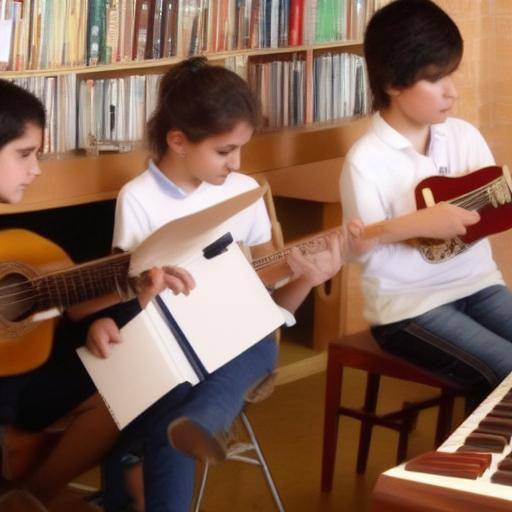
Educational inclusion is a crucial aspect for the development of equitable and just societies. In this context, multicultural activities play a key role in fostering diversity, intercultural understanding and equal opportunities in educational settings. In this article, we will explore in depth the role of multicultural activities in educational inclusion, examining their historical importance, benefits, challenges, best practices, expert views and future trends.
History and Background
Multicultural activities are rooted in the need to celebrate and respect cultural diversity. Throughout history, various communities have embraced and promoted the wealth of their traditions, languages and customs through specific events, festivals and educational programs. These efforts arose in response to discrimination and exclusion experienced by minority groups.
In the 1950s, during the civil rights movement in the United States, the concept of multicultural activities gained relevance in advocating more inclusive education that reflects the diversity of society. Since then, similar initiatives have been implemented worldwide, promoting the assessment of different cultural identities.
A significant date in this evolution was the Unesco Universal Declaration on Cultural Diversity in 2001, which stated that "cultural diversity is as necessary for humanity as biodiversity is for nature." This declaration laid the foundation for the promotion of multicultural activities as an integral part of inclusive education.
Analysis in Deep
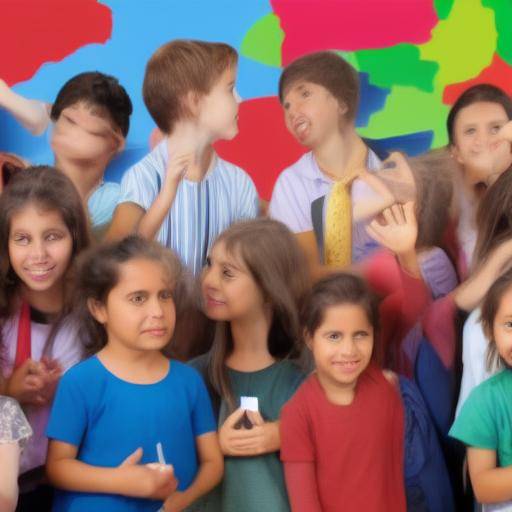
Multicultural activities not only enrich educational experience by providing knowledge about different cultures, but also foster empathy, tolerance and mutual respect. In addition, they promote inclusion by offering all students the opportunity to see their own experiences reflected and valued in the educational environment.
However, it is important to address the challenges that may arise in implementing multicultural activities, such as lack of resources, resistance to change and the need to overcome stereotypes. A thoughtful and well-planned approach is essential to ensuring that these activities are effective and genuinely inclusive.
Currently, technology plays a crucial role in enabling access to various cultural perspectives through online resources, virtual exchanges and international collaborations. This innovative approach expands learning opportunities and strengthens the connection between students from different backgrounds.
Comprehensive review
Best practices in multicultural activities include the integration of culturally relevant curriculum content, the holding of intercultural events, the promotion of intercultural dialogue and collaboration with diverse communities. These practices not only enrich the educational environment, but also prepare students to live and work in a globalized society.
The expert opinion highlights the importance of diversity-sensitive teacher training and continued commitment to reflection and self-assessment. With trained and committed educators, schools can create welcoming and enriching environments for all students, regardless of their cultural origin.
Comparative analysis
In terms of educational inclusion, multicultural activities play a key role in ensuring that all students feel valued and represented in the educational process. The approach to cultural diversity not only enriches learning, but also prepares students for a diverse and constantly changing global society.
Practical Tips and Accessible Tips
In considering the implementation of multicultural activities, it is essential that educational institutions develop inclusive policies and programmes that recognize the importance of diversity. Vocational training and continuing support for teachers are key components for the success of these initiatives. It is also crucial to involve the educational community and families in promoting cultural diversity within and outside the classroom.
Industry ideas and Expert Reviews
Education experts emphasize the need to address the inequities and prejudices that are rooted through a comprehensive approach to multicultural activities. They provide guidance on how to effectively integrate cultural diversity into the curriculum and how to foster an inclusive and respectful school environment.
Case Studies and Real Life Applications
Case studies show how multicultural activities have had a real impact on the educational experience of students from various backgrounds. These examples illustrate how the inclusion of diverse perspectives and the celebration of diversity in classrooms have enriched learning and promoted greater understanding among students.
Future Trends and Predictions
As the world becomes increasingly interconnected, multicultural activities will continue to play a crucial role in inclusive education. Increased emphasis is placed on the development of resources and educational tools that reflect global diversity, as well as a continuing approach to teacher training to address the changing needs of a diverse student.
Conclusions
In short, multicultural activities play an essential role in promoting educational inclusion by fostering intercultural understanding, equity and mutual respect in diverse educational settings. By celebrating diversity and promoting a sense of belonging for all students, these activities enrich the educational experience and prepare future generations for a globalized world.
FAQ
- **Why are multicultural activities important in inclusive education?**Multicultural activities are important because they promote diversity, tolerance and mutual respect in diverse educational settings, which contributes to more inclusive and equitable education.
- **How can multicultural activities benefit students?**Multicultural activities benefit students by providing them with the opportunity to learn about different cultures, promote empathy and intercultural understanding, and offer a sense of belonging to all students, regardless of their cultural origin.
- **What are the challenges associated with the implementation of multicultural activities in educational settings?**Some challenges include lack of resources, resistance to change and the need to overcome stereotypes. However, a thoughtful and well-planned approach can help address these challenges effectively.
- **How can schools foster inclusion through multicultural activities?**Schools can foster inclusion through multicultural activities by integrating culturally relevant curriculum content, holding intercultural events, promoting intercultural dialogue and collaborating with diverse communities.
- **What is the role of teachers in promoting multicultural activities?**Teachers play a crucial role in fostering multicultural activities by being sensitive to diversity, committed to reflection and self-assessment, and in preparing to integrate cultural diversity into their educational practice.