Introduction
Music is a form of art that has been deeply rooted in human experience since time immemorial. Its influence on cultural education is remarkable, as it has been used as a tool for transmitting values, narrating stories and fostering cultural identity. In this article, we will explore the fundamental role that music plays in cultural education, analyzing its history, impact, contemporary applications, and offering expert perspectives to understand its importance in today's society.
History and Background
The history of music as a vehicle for cultural education is fascinating and multifaceted. From ancient civilizations to the present, music has played a crucial role in the transmission of cultural knowledge, traditions and values. In Ancient Greece, for example, music was considered an integral part of education, not only as an artistic form, but also as a tool to inculcate moral and civic virtues in young people. This pedagogical approach has left a lasting mark on the development of music and its educational function.
Later, during the Renaissance era, music remained a powerful means of cultural education. The corals in the churches, the works of composers such as Bach or Mozart, and the operas of Verdi transcended the linguistic barriers and transmitted messages and ideas that shaped the cultural identity of their respective eras. In the twentieth century, the rise of popular music and the rise of music as a global industry marked a turning point in its educational role, with popular music becoming a reflection of social and cultural changes around the world.
Analysis in Deep
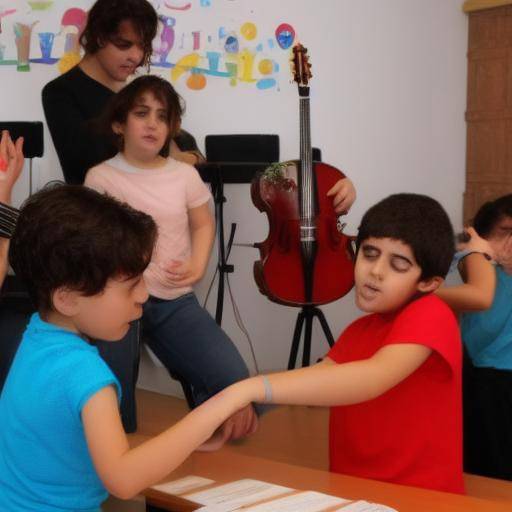
Music not only enriches the aesthetic sensitivity of people, but also provides numerous cognitive, emotional and social benefits. Scientific studies have shown that children's exposure to music from an early age contributes to the development of motor, linguistic and cognitive skills. In addition, the practice of a musical instrument fosters discipline, concentration and self-expression, thus promoting comprehensive development in students.
In the cultural sphere, music plays a crucial role in preserving and transmitting traditions, myths, and historical accounts of a community. Folk music, for example, is a powerful vehicle to keep the cultural heritage alive, as it connects current generations with its historical legacy. Likewise, contemporary music reflects the evolution of society and the aspirations of new generations, generating a dialogue between the past and the present.
Comprehensive review
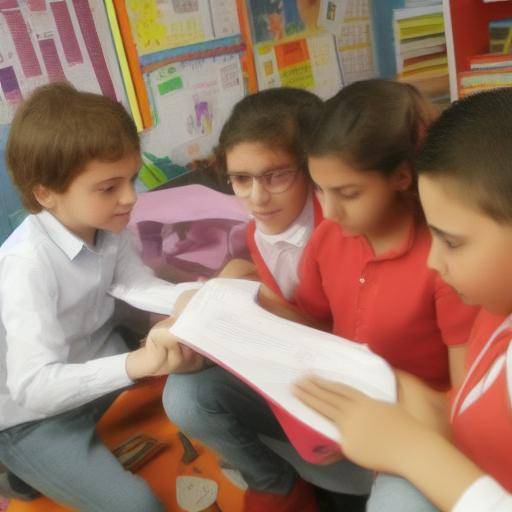
In formal education, music is increasingly incorporated as a multidisciplinary pedagogical tool. Interdisciplinary approaches that combine music with other areas, such as history, literature, and social sciences, enrich students' understanding of different cultures and historical periods. On the other hand, technology has allowed unprecedented access to the music of different cultures, fostering diversity and intercultural understanding.
It is important to highlight the challenges facing musical education today, especially in a globalized context where local traditions are at risk of being eclipsed by dominant culture. Despite this, there is a renewed interest in preserving and promoting musical diversity, recognizing its importance in building identities and promoting cultural tolerance.
Comparative analysis
By comparing the role of music with other elements of cultural education, such as literature or visual arts, it is evident that music has a singularity in its ability to transcend linguistic and cultural barriers. While literature and visual art depend largely on the domain of language and visual interpretation, music has the potential to connect with emotions and feelings in a more direct and universal way. This quality makes it a valuable resource for cultural education, as it can be used as an inclusive tool that transcends borders and unites people through the common experience of melody and rhythm.
Practical Tips and Accessible Guidance
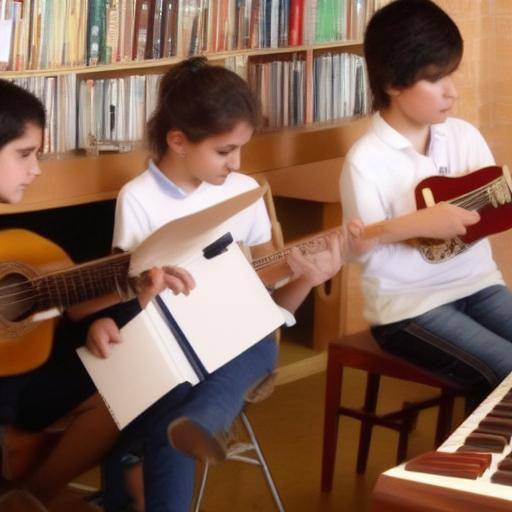
To effectively integrate music into cultural education, it is essential to have a curriculum that values musical diversity and promotes the active participation of students. The creation of interactive activities involving music, such as the writing of letters, the interpretation of musical pieces, and the exploration of musical genres around the world, can significantly enrich cultural learning and promote appreciation of diversity.
In addition, the use of technology to access a wide variety of musical expressions from different cultures increases students' exposure to global diversity. Incorporating digital resources, such as recordings, video clips, and music education platforms, allows educators to enrich their pedagogical approach and offer students a broader view of the world's musical panorama.
Ideas and Industry Reviews
Educational and music experts agree on the importance of integrating music into cultural education, not only as a form of art, but as a tool for the development of global understanding, intercultural empathy and the formation of identities. This perspective reflects the growing awareness of music as an essential element in the integral formation of individuals, contributing to their human and social development.
Some experts highlight the need to foster collaboration between music teachers and cultural education professionals, in order to enrich school curricula and promote a deeper understanding of music in their cultural context. This synergy can promote more inclusive and diverse education that reflects the wealth of musical expressions around the world.
Case Studies and Real Life Applications
In order to illustrate the impact of music on cultural education, it is essential to explore case studies that demonstrate their effectiveness in diverse educational settings. For example, programs that incorporate local folk music in the curriculum have proven to strengthen the sense of cultural identity among students, fostering greater appreciation for their roots and traditions.
Significant benefits have also been observed in the use of music as a means of integration into multicultural environments, where diversity is celebrated through musical presentations, workshops, and activities that promote cultural exchange. These examples emphasize the ability of music to create bridges between people of different backgrounds and enrich cultural education with diverse perspectives.
Future Trends and Predictions
The future of music in cultural education aims at greater integration of interdisciplinary approaches that recognize the relevance of music in the global context. Emerging technologies, such as increased reality and artificial intelligence, offer unprecedented opportunities to broaden the scope of musical education and promote cultural diversity through interactive and personalized experiences.
In addition, the emphasis on music-enriched cultural education is expected to be supported by international efforts to promote intercultural cooperation and exchange through music. Promoting participation in cultural festivals, musical exchange programs, and international collaborations in educational research are key steps to strengthen the role of music as an agent of cultural and educational change.
Conclusion
In short, music plays a fundamental role in cultural education by enriching the understanding of cultural traditions, values and practices. Its ability to unite people, foster intercultural appreciation, and promote the formation of strong cultural identities makes it an invaluable tool for 21st century education.
Frequently asked questions
What is the importance of incorporating music in cultural education?
Music not only enriches aesthetic sensitivity, but also promotes the cognitive, emotional and social development of individuals. In fostering intercultural understanding and respect for diversity, music plays a key role in cultural education by enriching educational experience and promoting the formation of cultural identities.
How can music contribute to the preservation of cultural traditions?
Music, especially folk music, plays a crucial role in preserving cultural traditions by conveying myths, historical accounts, and community values across generations. Its ability to transcend linguistic barriers and unite people makes it an invaluable element for the preservation of cultural heritage.
How can educators effectively integrate music into cultural education?
The effective integration of music in cultural education implies the creation of curricula that value musical diversity and promote the active participation of students. Interactive activities involving music, access to digital resources and interdisciplinary collaboration significantly enrich the educational experience.
What are the current challenges in musical and cultural education?
One of the main challenges is to preserve musical diversity in a globalized context, where local traditions can be threatened by the influence of dominant culture. There is also a need to foster collaboration between music teachers and cultural education professionals to enrich school curricula and promote a deeper understanding of music in their cultural context.
What impact does music have on the formation of strong cultural identities?
Music strengthens the formation of cultural identities by linking people with their roots and traditions, thus promoting greater appreciation for diversity and cultural heritage. In addition, in fostering self-expression and exploration for new perspectives, music contributes to the formation of inclusive and dynamic identities.
What are the future trends for the integration of music in cultural education?
Increased integration of interdisciplinary approaches and the use of emerging technologies is expected to expand the scope of musical education and promote cultural diversity through interactive and personalized experiences. International efforts to promote intercultural cooperation and exchange through music are likely to be encouraged.
In conclusion, the role of music in cultural education is essential to enrich educational experience, promote intercultural understanding and preserve cultural diversity. By recognizing its importance and transformative potential, we can fully leverage the benefits of music as an agent of cultural and educational change in the twenty-first century.