
Introduction
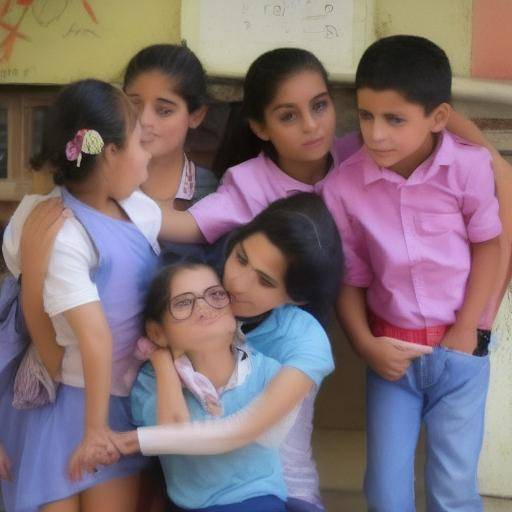
Music is a fundamental element in the development of children from an early age. Its impact goes beyond simple entertainment, as it plays a crucial role in the sensory, cognitive, emotional and social stimulation of young people. In this article, we will thoroughly explore the important role that music plays in early education. From its history and benefits to its practical application, that will be the main focus of our analysis.
History and Background
The relationship between music and early education has profound historical roots dating back to ancient civilizations. From the cradle songs used to soothe babies to the incorporation of music in the first teaching methods, their presence has been constant throughout history. Over the centuries, many philosophers and thinkers have highlighted the importance of music in child development, laying the foundation for their integration into educational systems worldwide.
In the twentieth century, scientific research began to support what intuition had always suggested: music has a significant impact on the brain and emotional development of children. Early studies in psychology and neuroscience demonstrated that early exposure to music can enhance cognition, memory, concentration and linguistic skills. As a result, music became a central element in preschool and primary education programmes in many countries.
Analysis in Deep
Music in early education offers a wide range of benefits, ranging from language development to improved driving coordination. It stimulates creativity, promotes emotional expression and promotes socialization. Despite this, there are challenges in their effective implementation, such as the availability of resources and adequate training for educators. In addition, technological advances have opened new possibilities for integrating music in an innovative way into the educational process, creating exciting but challenging opportunities.
Comprehensive review
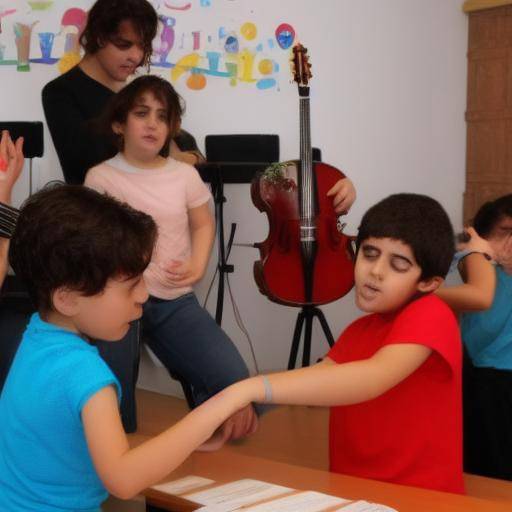
Music in early education has rich and diversified practical applications. From the use of songs and rhythms to teach basic concepts to the integration of music into structured play activities, opportunities are immense. At present, musical teaching methods go beyond melodies' simple audition and reproduction, including activities that invite children to participate and create music, thus promoting active and meaningful learning.
Comparative analysis
By comparing music, education and early childhood, fundamental similarities are revealed in their commitment to the integral development of children. Music is a powerful educational tool that can be used not only to cultivate love for art, but also to enhance key skills that will be fundamental in the academic and professional future of children.
Practical Tips and Accessible Tips
To effectively incorporate music into early education, it is essential that education professionals use creative and child-friendly approaches. Establishing an environment enriched with sounds, rhythms and melodies can foster love for music and stimulate the cognitive and emotional development of children.
Industry Perspectives and Expert Reviews
From the perspective of experts in the field of musical education, we highlight the importance of providing varied opportunities for musical exploration, both at home and in the educational environment. Collaboration between teachers, parents and music specialists is essential to creating rich and meaningful musical experiences that benefit the integral development of children.
Case Studies and Applications in Real Life
A variety of case studies highlight how music in early education has transformed the learning experience of children, providing them with a means to express themselves and develop key skills in a playful and exciting way. From schools that have adopted comprehensive musical programs to communities that have integrated music into early intervention programs, examples are diverse and revealing.
Future Trends and Predictions
Future trends in music mainstreaming in early education point to a more holistic and integrated approach that recognizes the importance of music in the overall development of children. Technology is expected to play a vital role in providing interactive tools and digital resources that will expand the potential of music as an educational tool.
Conclusion
In conclusion, the role of music in early education is fundamental to the holistic growth of children. From its historical roots to its contemporary impact, music remains a transformative force in the lives of children around the world. By understanding and harnessing their benefits, we can enrich the educational experience of the youngest and lay the foundations for a future full of learning, creativity and development.
Frequently asked questions
**1. Why is it important to include music in early education?**Including music in early education is fundamental, as it stimulates the cognitive, emotional, linguistic and motor development of children, laying solid foundations for integral learning.
**2. Does music in early education benefit all children alike?**Although children have different learning styles, music is often beneficial to most children, regardless of their individual skills or abilities.
**3. How can parents incorporate music at home to support their children's early education?**Parents can incorporate music at home through activities such as singing songs, dancing, listening to varied music, providing simple musical instruments and encouraging active participation in musical creation.
**4. What is the long-term impact of early music exposure on the development of children?**Early exposure to music can have a significant impact on the emotional, cognitive and social development of children, which can influence their academic performance and appreciation for the arts in the future.
**5. Are there significant challenges in the implementation of music programmes in early education?**Some challenges may include the availability and training of educators, resource planning and the effective integration of music into the educational curriculum.
**6. How can music in early education contribute to inclusion and diversity in the educational environment?**Music promotes inclusion and diversity by providing a universal means of expression that transcends linguistic and cultural barriers, thus promoting an enriching and welcoming educational environment for all children.
With these knowledge, it is clear that music plays an integral role in early education, enriching the lives of children and laying the foundations for a future full of learning and creativity.