
Introduction
Music has been an integral part of human experience throughout history. Since its inception, it has played a crucial role in cultural expression, celebration and communication. However, its influence goes beyond simply providing entertainment; music has also proven to be a powerful tool for learning. In this article, we will explore how to effectively use music in educational and development environments as well as in everyday life. We will discover the benefits, challenges, current trends, practical applications and useful tips to make the most of this powerful learning tool.
History and Background
The history of music is intertwined with the evolution of humanity itself. From ancient civilizations to the modern era, music has been a rich expression of the cultures that created it. From folk music to the great classical compositions and innovations of contemporary music, it has constantly evolved to meet the emotional, spiritual and social needs of people. Throughout the centuries, music has become increasingly relevant in the educational field, being recognized for its positive effects on the cognitive and emotional development of individuals.
Analysis in Deep
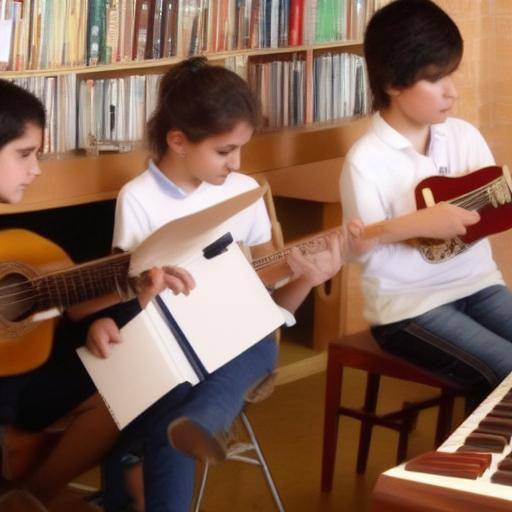
Music offers a wide range of learning benefits. Scientific studies have shown that listening to music can improve concentration, stimulate memory, foster creativity and reduce stress. In addition, learning to play a musical instrument carries additional benefits, such as the development of fine motor skills, the promotion of discipline and patience, and the strengthening of self-esteem. However, there are also challenges in using music in educational settings, such as the need to balance aesthetic enjoyment with the effective transmission of knowledge.
Comprehensive review
Music has been used in a wide variety of educational and development contexts. From early childhood stimulation to vocational training in adulthood, music has proven to be a versatile tool to improve learning. Research continues to explore new ways of integrating music into the educational curriculum to maximize its impact. As technology advances, there are also exciting opportunities to take advantage of digital music and musical creation tools to enrich the educational experience.
Comparative analysis
The relationship between music and learning is unique in various aspects. Unlike other forms of art, music is intrinsically linked to emotions and memory, making it especially powerful for learning based on experience and emotional connection. By comparing the use of music with other more conventional learning strategies, it highlights its ability to stimulate multiple areas of the brain simultaneously, which can significantly improve the retention and understanding of information.
Practical Tips and Accessible Tips
By integrating music into educational or development environments, it is important to consider a number of key factors. This includes carefully selecting the type of music based on learning objectives, providing a clear structure for musical activity, offering opportunities for improvisation and personal expression, and encouraging the active participation of students. In addition, as music is incorporated into formal learning environments, it is essential to regularly evaluate its impact and adjust strategies based on the results obtained.
Industry Perspectives and Expert Reviews
Experts on child education and development highlight the importance of integrating music in a meaningful way in educational practices. They recognize that music can enrich the educational experience by providing a holistic approach to learning, covering cognitive, emotional, social and physical aspects. However, they also warn about the need for careful and reflective implementation, avoiding the mere inclusion of music by simple aesthetic value. In addition, neuroeducation experts have shown a growing interest in understanding brain mechanisms behind the positive effects of music on learning, which promises to lead to future innovations in the application of music in educational and development environments.
Case Studies and Real Life Applications
Specific examples of the effective application of music in learning can be found worldwide. From schools that integrate music in all areas of the curriculum to extracurricular enrichment programs focused on musical education, case studies offer valuable lessons learned and inspirational examples for other educators and professionals. Also, music applications in therapeutic and medical care environments show the transformative impact that music can have on recovery, emotional well-being and quality of life.
Future Trends and Predictions
In the future, we are likely to see greater integration of music into educational environments, from formal education to lifelong learning. The advancement of digital technology and platforms will also provide new opportunities for the creation and distribution of educational musical content. As the scientific understanding of the effects of music on the brain continues to expand, more personalized and effective approaches are likely to develop for the application of music in learning, adapted to the individual needs of students.
Conclusion
In short, music offers a wealth of opportunities to enrich learning in all its aspects. From improving concentration and memory to fostering creative expression and emotional exploration, music is an invaluable tool that deserves a central place in our educational and development approaches. By effectively understanding and using music in educational settings, we can enhance the learning potential of people of all ages and backgrounds.
Frequently asked questions
How can music improve learning in children?
Music can stimulate cognitive, emotional and social development in children, promoting skills such as concentration, memory and creativity. In addition, active participation in music through singing or learning an instrument can strengthen self-esteem and promote discipline.
What is the best way to integrate music into an educational environment?
The effective integration of music in educational settings requires careful planning and consideration of learning objectives. This can include collaboration with music teachers, the incorporation of music in thematic lessons and the creation of spaces dedicated to musical exploration.
Can music be beneficial for adult learning?
Absolutely. Music can offer significant benefits for adult learning, both in formal and informal environments. Learning to play an instrument or participate in musical activities can offer a creative escape and an intellectual stimulus in adult life.
How can music be used to improve concentration and focus on learning?
Music can work as a stimulus to focus attention and block external distractions. By carefully choosing music to match learning tasks or activities, you can create an enabling environment for concentration and focus.
Are there specific approaches to integrating music into the classroom?
Yes, several pedagogical approaches, such as the Orff method and the Kodály approach, focus on integrating music into educational activities. These approaches often incorporate singing, dance, improvisation and instrumental play to foster participation and active learning.
What is the role of music in special education and therapy?
Music can play a significant role in special education and therapy, as it can serve as a powerful means for expression, communication and sensory stimulation. From music therapy to music integration into inclusive educational environments, music can be transformative for people with special needs.
Conclusion
In conclusion, music is a powerful tool that can significantly improve learning, development and well-being in people of all ages and abilities. By carefully considering how we integrate music into educational and development environments, we can unlock their full potential to enrich the lives of students and promote more meaningful and rewarding learning.
We hope that this article has provided a deeper understanding of how to use music for learning, as well as practical advice and valuable perspectives. If you have more questions about this topic, do not hesitate to contact us.