Introduction
In the digital era, the ability to effectively use technology has become a crucial factor in improving teamwork. From remote collaboration to project management, technological tools have transformed the way teams work together. In this article, we will explore how companies can leverage technology to enhance collaboration, increase productivity and improve communication within teams. From the historical context to future trends, you will get a comprehensive view of how technology is positively impacting teamwork.
History and Background
The history of teamwork goes back to the dawn of civilization, where collaboration between individuals was key to survival and progress. However, the modern concept of teamwork has evolved significantly with technological advances. From the arrival of the personal computer in the 1980s to the popularization of the internet in the 1990s, technology has been a catalyst to transform the way the teams collaborate.
A significant milestone in teamwork history was the introduction of online collaboration tools such as e-mail, project management systems and videoconferencing platforms. These innovations enabled teams to overcome the barriers of time and distance, facilitating collaboration between people located in different parts of the world.
Historically, technology has been a change engine in teamwork, optimizing communication, task coordination and project management.
Detailed Analysis
Benefits of Technology in Teamwork
Technology has provided countless benefits to teamwork, including increased flexibility in collaboration, the possibility of virtual meetings, faster access to information and the ability to track real-time progress.
According to a Harvard Business Review study, 75% of the teams using collaborative tools estimate that they are more effective than those who do not use them. This demonstrates the positive impact these tools have on teamwork.
Challenges in Technology Implementation
Despite its benefits, the implementation of technology in teamwork also poses challenges, such as the resistance to change, the digital divide and the possible saturation of information. It is essential to address these challenges to maximize the potential of technology in teamwork.
Comprehensive review
Technology Applications for Improved Team Work
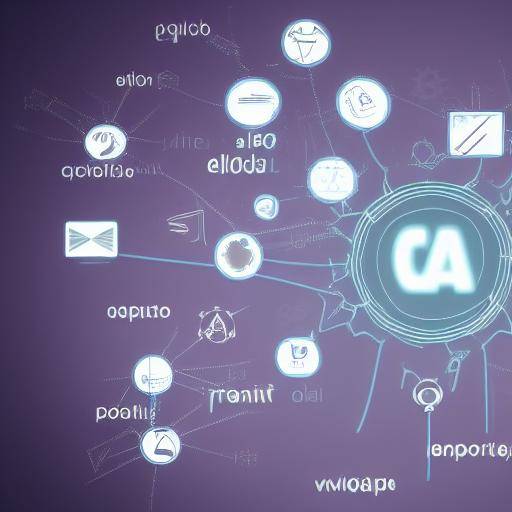
Within the working world, effective technology implementation can enhance productivity and efficiency of teamwork. Project management platforms such as Trello and Asana, videoconferencing tools such as Zoom and Microsoft Teams, and cloud storage systems such as Google Drive and Dropbox are examples of technology that are revolutionizing how teams collaborate.
Best Practices in Using Technology to Work in Team
Best practices in the use of technology for teamwork include the appropriate training of partners, the choice of the most appropriate tools for the specific needs of the team, and the adoption of policies that promote the responsible use of technology.
Comparative analysis
The use of technology to improve teamwork is based on the premise that technology acts as a facilitator for collaboration and communication among team members. Although similarities can be identified, there are also significant differences in how different teams and organizations use technology to improve their collective performance.
Practical Tips and Recommendations
Tips for Implementing Technologies in Teamwork
- Identify the specific needs of the equipment before selecting the technology tools.
- Train team members in the effective use of technology tools.
- Establish protocols and policies for the proper use of technology in the working environment.
Sector Information and Views of Experts
Future Trends and Predictions
The future of teamwork is closely linked to the continuous evolution of technology. Artificial intelligence, virtual and increased reality, as well as automation, are expected to continue to transform the way equipment interacts and collaborates. The prediction is that the integration of these technologies will lead to a significant increase in the efficiency and quality of teamwork.
Conclusion
In short, the intelligent use of technology represents an unprecedented opportunity to improve teamwork in all areas. From overcoming geographical barriers to process optimization, technology offers the potential to transform the dynamics and performance of work teams. By understanding their history, benefits, challenges and practical applications, organizations can fully capitalize on the power of technology to improve teamwork.
Frequently asked questions
How to select the best technology to improve teamwork?
The selection of appropriate technology depends on the specific needs of the equipment and the tasks to be performed. It is crucial to assess the characteristics, ease of use and adequacy of existing workflows.
What are the common challenges in implementing technology in teamwork?
Resistance to change, insufficient training and the integration of different tools are common challenges in implementing technology in teamwork. Careful management of these challenges is essential for the success of implementation.
How does technology affect communication in teamwork?
Technology can facilitate communication, but it can also generate problems of disconnection or misunderstanding if not properly used. Clear guidelines for the use of communication tools are essential.
What are the emerging trends in technology to improve teamwork?
Emerging trends include the integration of artificial intelligence tools to optimize task assignments, as well as the adoption of real-time collaboration platforms that offer advanced virtual interaction functions.
How to measure the impact of technology on teamwork performance?
The impact of technology on teamwork performance can be measured through key indicators such as productivity, efficiency in task management, and the level of satisfaction and commitment of team members.
What is the role of technology in a remote working environment?
Technology plays a key role in the viability and effectiveness of remote work, effectively enabling coordination, communication and remote collaboration. The technological tools guarantee a fluid and productive experience for the geographically distributed teams.
Concluding, technology offers a wide range of tools and possibilities to improve teamwork significantly. By understanding their history, benefits, challenges and practical applications, organizations can fully capitalize on the power of technology to boost the collaboration and collective performance of the work teams.