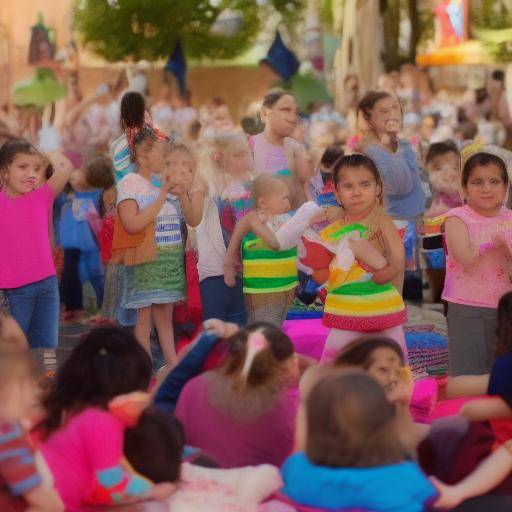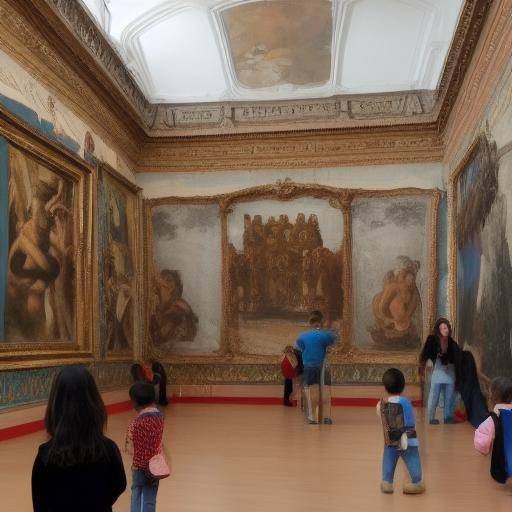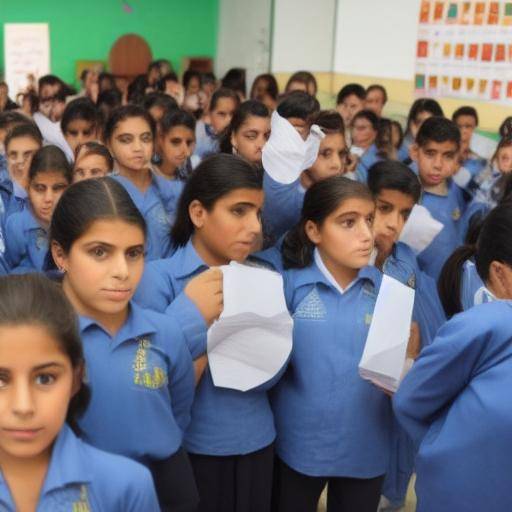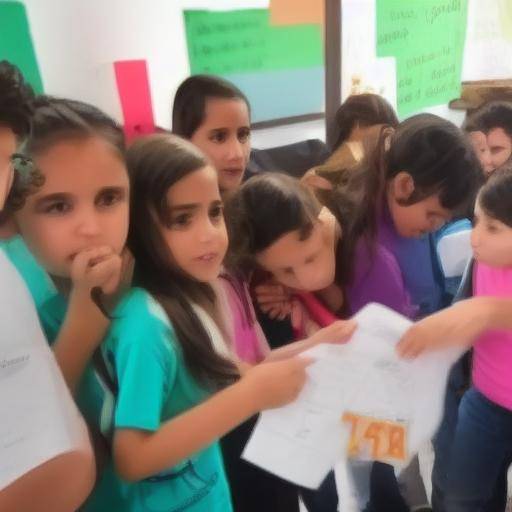
Cultural festivals are vibrant events that celebrate the diversity, creativity and traditions of a community. Beyond their cultural and social value, these festivals can become valuable educational tools, providing opportunities to explore interdisciplinary themes, foster intercultural understanding and promote appreciation of the arts. In this article, we will explore how to use cultural festivals as dynamic educational resources, offering strategies, case studies and practical advice to maximize their potential in the field of education.
Introduction
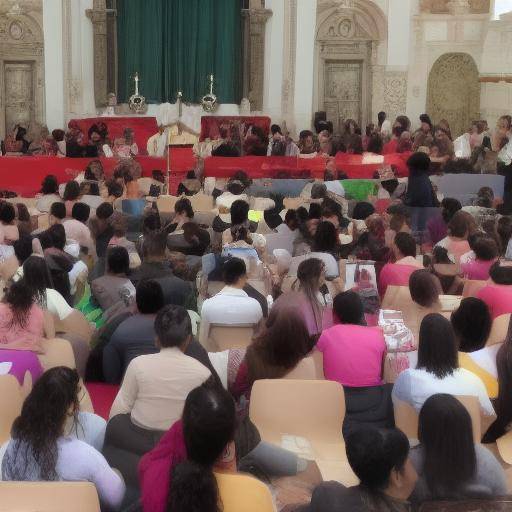
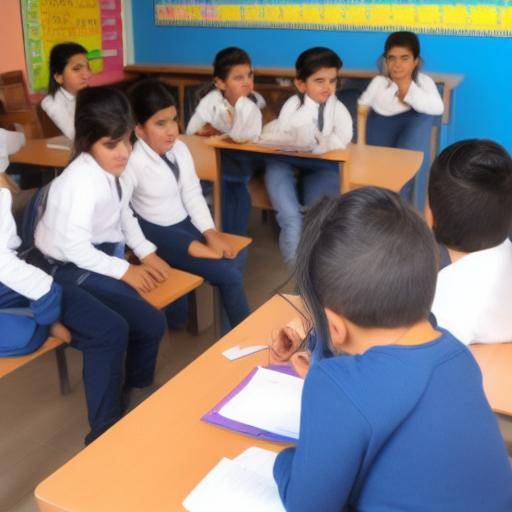
Cultural festivals, rooted in the wealth of traditions and artistic expressions of a community, provide a unique opportunity to immerse themselves in cultural diversity. By integrating these events into educational environments, multicultural understanding is encouraged, curiosity is awakened by diverse forms of artistic expression and respect for differences is promoted.
History and Background of Cultural Festivals
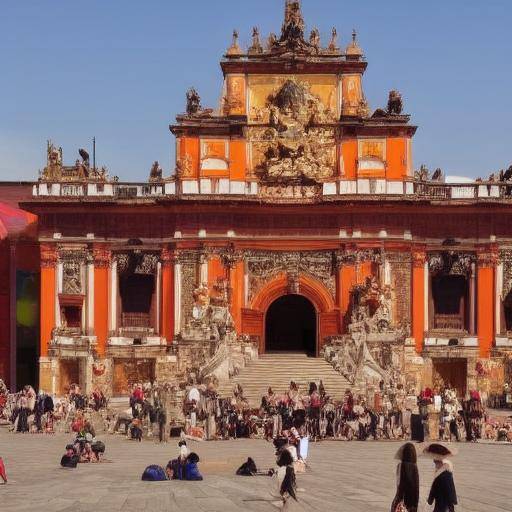
Cultural festivals have a long history that goes back to ancient civilizations, where celebrations in honor of harvests, gods or significant events marked the calendar. The emergence of modern events, such as the Rio de Janeiro Carnival or the Glastonbury Festival, has expanded the relevance of festivals as vehicles for social cohesion and the promotion of cultural diversity.
The Impact of Cultural Festivals on Teaching
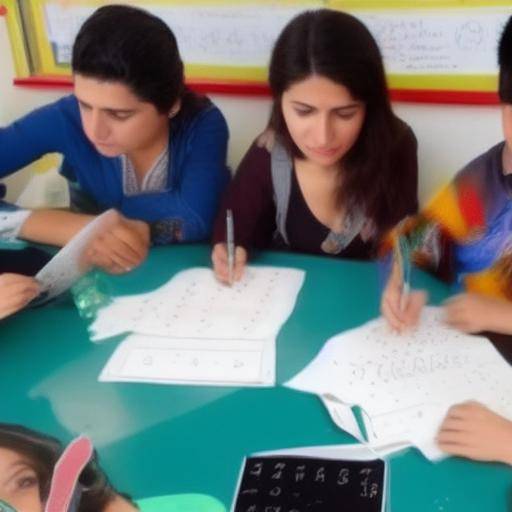
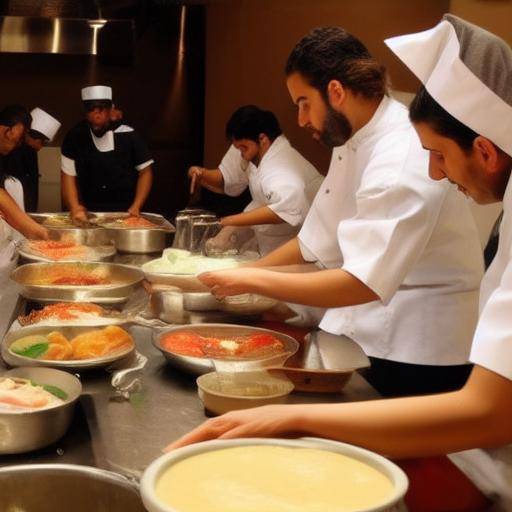
The integration of cultural festivals in educational environments provides a unique opportunity to enrich learning. From history and literature to music and gastronomy, each facet of a festival offers a platform for academic exploration and the promotion of intercultural skills.
Strategies and Resources to Use Cultural Festivals in the classroom
Curricular Integration: Promoting Interdisciplinarity
Cultural festivals are transversal by nature, covering historical, sociological, artistic and linguistic aspects. Integrating the theme of a festival in different subjects allows a holistic approach to learning, fostering the integral understanding of the culture in question.
Digital Tools and Educational Resources
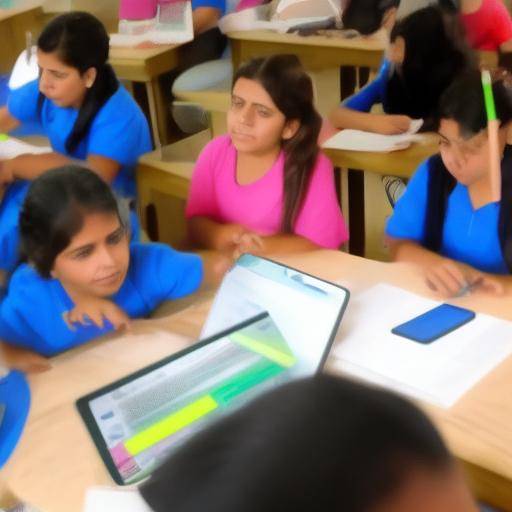
The use of online technology and resources can expand the scope of teaching based on cultural festivals. Multimedia platforms, virtual visits and interactive documentaries can enrich the educational experience, bringing students closer to the wealth of cultural expressions.
Case studies: Experience learning
The analysis of emblematic festivals through case studies provides students with a profound understanding of the cultural complexity and the importance of such events in society. Exploring the history, evolution and contemporary relevance of a festival provides an enriching perspective that goes beyond textbooks.
Art as an Intercultural Expression Vehicle
Cultural festivals are a living representation of human creativity, offering a palette of artistic expressions that transcend linguistic and cultural barriers. Include artistic activities related to a festival, such as the creation of carnival masks or the interpretation of folk dances, allows students to experience cultural diversity directly.
Conclusion
By leveraging the wealth of cultural festivals, educators can significantly enrich their students' learning, encourage appreciation of cultural diversity and promote intercultural skills. Cultural festivals are presented as powerful tools to transform the classroom into a dynamic intercultural space, enriching the curriculum and preparing students for a globalized and diverse world.