
Teaching through online learning platforms has experienced rapid growth in recent years, especially as a result of the global pandemic that pushed distance education. The combination of teaching, learning platforms and effective strategies has become an essential aspect of modern education. In this article, we will thoroughly explore these areas and provide practical advice, statistics, case studies and expert opinions to help educators improve their approach to online teaching.
Introduction
With the advent of technology, teaching has evolved significantly, and online learning platforms have proven to be valuable tools to facilitate remote education. This article focuses on exploring effective strategies for teaching through these platforms, with the aim of helping educators to optimize their teaching method in virtual environments.
History and Background
Online learning platforms have their roots in the 1990s when the first universities started offering online courses. Since then, Internet access and technology improvement have allowed exponential growth in the supply and scope of online education. These developments have been particularly significant in the last decade, with the emergence of learning platforms such as Udemy, Coursera and edX, which have democratized access to education.
Analysis in Deep
Online learning platforms offer a wide range of benefits, including timetable flexibility, access to high-quality materials and the ability to learn at an individual pace. However, they also present challenges, such as lack of face-to-face interaction and the need for self-discipline by students.
Comprehensive review
Effective strategies for online teaching require a different approach to face-to-face teaching. It is crucial to identify best practices to maximize student engagement and learning through virtual platforms.
Comparative analysis
To compare and contrast strategies to teach online and face-to-face is essential to understanding the key differences and similarities between the two educational environments. While some strategies may be transferable, others may require significant adaptations to be effective in a virtual environment.
Practical Tips and Accessible Advice
Here we present practical advice and concrete measures to improve teaching through online learning platforms:
- Encourage interaction: Use interactive tools, such as discussion forums and videoconferencing, to promote student participation.
- Adapt the content: Ensure that teaching materials are optimized for presentation in an online environment, using clear language and attractive visual resources.
- Promote self-discipline: Provide clear guidelines on expectations and timelines, and provide additional support to help students stay motivated and organized.
Ideas and Reviews of the Education Sector
It is key to looking for experts in the field of online education. Analyzing current trends and opinions can help develop more effective and adaptive strategies.
Case Studies and Applications in Real Life
Case studies offer a concrete view of how online teaching strategies are applied in the real world. These cases illustrate the challenges and effective approaches used by educators in virtual environments.
Future Trends and Predictions
Online learning platforms and teaching strategies continue to evolve steadily. Exploring emerging trends and future innovations allows educators to prepare for the changes and challenges ahead.
Conclusions
In short, teaching through online learning platforms requires specific strategies to maximize its effectiveness. By understanding history, benefits and challenges, and practical strategies, educators can significantly improve their ability to engage students and facilitate effective learning in virtual environments. The combination of teaching, learning platforms and effective strategies forms a vital link in the current and future educational landscape.
Frequently asked questions
What are the best online learning platforms for teaching?
There are numerous online learning platforms, each with their own strengths and weaknesses. Some of the most popular include Coursera, Udemy, Khan Academy and edX. The choice of the platform will depend on the context, target audience and specific educational objectives.
How can I maintain the commitment of students in an online teaching environment?
Maintaining student engagement in virtual environments can be a challenge, but there are effective strategies that can be used. Promoting interactivity, providing regular and varied feedback, and using multimedia tools are some approaches to maintaining the interest and participation of students.
What are the main differences between online teaching and eye teaching?
Online teaching and face-to-face teaching differ in several key aspects, including direct interaction, availability of resources and time management. Adapting specific strategies to each environment is crucial to maximizing learning outcomes.
How can I evaluate the progress and learning of students in an online teaching environment?
Evaluation of student progress and learning in a virtual environment requires specific tools and approaches. The use of online exams, interactive tasks, self-assessment exercises and active participation monitoring are effective methods for evaluating online learning.
What is the role of technology in online teaching?
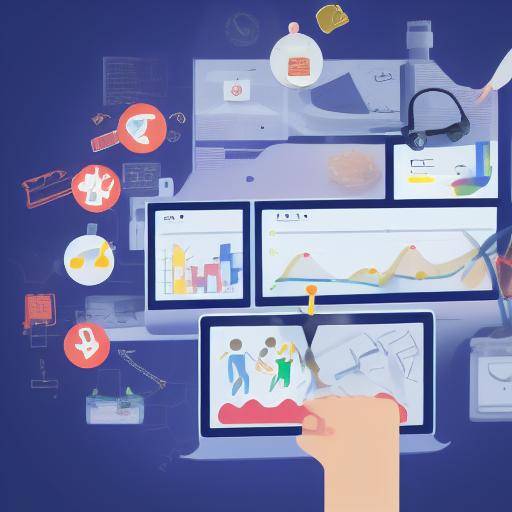
Technology plays a key role in online teaching by facilitating access to educational resources, fostering interaction between students and teachers, and providing tools for creating interactive and attractive educational content.
How can I adapt traditional teaching strategies to an online environment?
The adaptation of traditional teaching strategies to an online environment requires considering the specific constraints and opportunities offered by technology. The use of multimedia tools, clear structure of content and regular interaction with students are key elements to consider.
External references
- Coursera - Learning Platform
- Udemy - Online Learning Marketplace
- Khan Academy - Online Educational Resources
In conclusion, teaching through online learning platforms requires specific strategies and an adaptive approach to achieving maximum educational impact. By adopting appropriate strategies and benefiting from available technologies, educators can significantly improve the teaching process and promote effective learning in virtual environments.