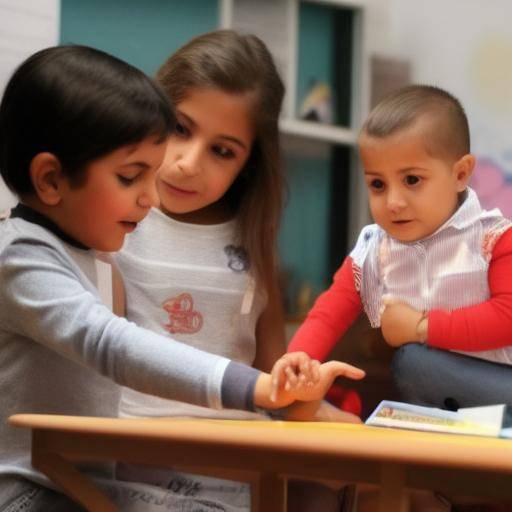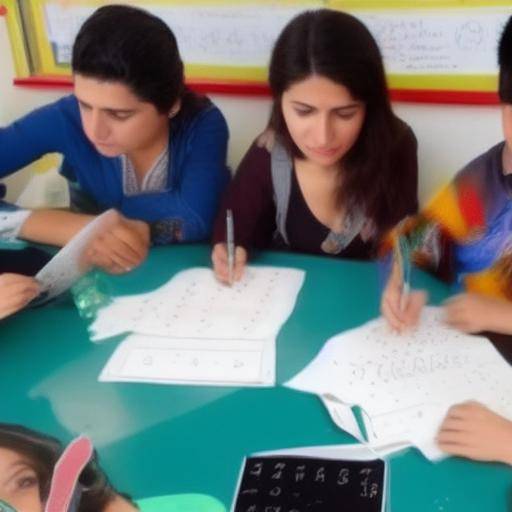
In the quest for a more just and inclusive society, it is crucial to teach future generations about human rights and the importance of diversity. This educational work is essential to foster respect, tolerance and equality in our communities. This article will explore effective strategies to teach about human rights and promote diversity, providing valuable tools for educators, parents and anyone interested in contributing to a more equitable world.
Introduction
Knowledge and understanding of human rights and diversity are fundamental pillars for building cohesive and respectful societies. In this article, we will explore in detail effective strategies to teach about these topics so relevant in the educational and social sphere. From the history and background of human rights to practical examples of application in the classroom and community, we will provide a comprehensive analysis that will encompass the theoretical and practical dimensions of this crucial area. In addition, we will provide information on current trends, practical advice, and reflections on the future of human rights education and diversity.
History and Background
Human rights constitute a historic legacy that has evolved over the centuries. From the Universal Declaration of Human Rights proclaimed by the United Nations in 1948 to the localized struggles of different communities for the recognition of their rights, the history of human rights is a testimony to the ongoing struggle for dignity and justice. It is essential to provide students with a solid understanding of these backgrounds, highlighting significant milestones and key figures, such as Martin Luther King Jr., Mahatma Gandhi, and Nelson Mandela, whose actions have left a lasting impact on the promotion of human rights.
Analysis in Deep
Human rights and diversity education presents a number of benefits and challenges. On the one hand, it promotes empathy, respect and understanding among different groups of people. On the other hand, it can face resistance and challenges to effectively integrate into the curricula and educational environment. It is essential to analyse these dynamics, presenting real cases, statistical studies and concrete examples that illustrate the importance and difficulties of this educational work.
Comprehensive review
Exploring practical applications of human rights education and diversity not only offers a clear view of their relevance, but also provides an opportunity to identify best practices and the real impact on everyday life. This section will analyze in detail different approaches and methods to teach these topics, offering a complete perspective on their advantages and challenges, and provide concrete suggestions for their effective implementation.
Comparative analysis
Compare and contrast the teaching of human rights and diversity allows us to identify areas of convergence and distinction. In doing so, you can glimpse the intersection between both concepts and understand how their integration can enrich education. Tangible examples and illustrative scenarios will help highlight the significant similarities and differences between these two fundamental areas, offering a holistic view of their relationship.
Practical Tips and Accessible Recommendations
Providing practical guidance and concrete recommendations for human rights education and diversity is essential for training educators and strengthening their work in the classroom. Through detailed lists and step-by-step guides, specific strategies will be offered to effectively address these issues, ensuring that readers acquire concrete tools to implement in their educational and social environment.
Industry Perspectives and Expert Reviews
The voice of experts in education, human rights and diversity will enrich this section, providing valuable information on future trends, predictions and emerging challenges in the educational and social sphere related to these fundamental issues.
Conclusion
In short, effective human rights and diversity education is a crucial pillar for building inclusive and fair societies. This article has presented a comprehensive vision of educational strategies based on history, detailed analysis, comprehensive review, comparative analysis, practical advice, industry perspectives and experts, as well as case studies and future trends. By equipping educators, parents and leaders with concrete tools and a deep understanding of these issues, we can lay the foundations for a more equitable and compassionate world.
Frequently asked questions
What is the importance of teaching about human rights in the educational context?
Human rights education is crucial in the educational context, as it promotes understanding of human dignity, equality and respect. By educating new generations on these fundamental principles, it contributes to the formation of conscious and committed citizens to social justice.
How can educators integrate diversity into their lessons?
Educators can integrate diversity into their lessons in various ways, such as including diverse educational materials, fostering open discussion on different cultures and experiences, and promoting empathy and respect for differences.
What are some common challenges in the teaching of human rights and diversity?
Some common challenges include resistance to new educational approaches, lack of adequate resources and materials, as well as managing differences of views and values in diverse educational settings.
What is the role of parents in teaching human rights and diversity?
Parents play a key role in complementing the formal education of their children, promoting values of respect, inclusion and justice at home. Supporting the lessons taught at school and fostering open dialogue on these topics are important steps that parents can take.
What are some future trends in the teaching of human rights and diversity?
Future trends include greater integration of human rights and diversity education into curricula, the development of interactive educational tools and the growing involvement of communities in the formulation of inclusive educational strategies.
How can educators assess the impact of human rights education and diversity on their students?
Educators can evaluate the impact through student surveys, observation of behaviors and attitudes, as well as monitoring academic progress on human rights and diversity issues.
In conclusion, human rights and diversity education is essential for building inclusive and fair societies. In addressing these issues with understanding, empathy and action, we can lay the foundation for a future in which diversity is celebrated and human rights are respected worldwide.