World history is an exciting matter that gives students the opportunity to understand the roots of the world we live in, fostering critical thinking, empathy and understanding of cultural diversity. However, teaching world history in the classroom can present unique challenges. In this article, we will explore effective strategies to teach world history in an attractive and meaningful way, fostering the active participation of students and promoting deep and lasting learning.
Importance of Teaching World History
World history provides a deeper understanding of events, cultures and societies that have shaped the world today. By nurturing historical understanding, students can develop analytical, research and critical thinking skills. In addition, it allows them to reflect on the complexities of human interactions over time and recognize the impact of history on the contemporary world.
Effective Education Strategies
Incorporation of Multimedia Resources
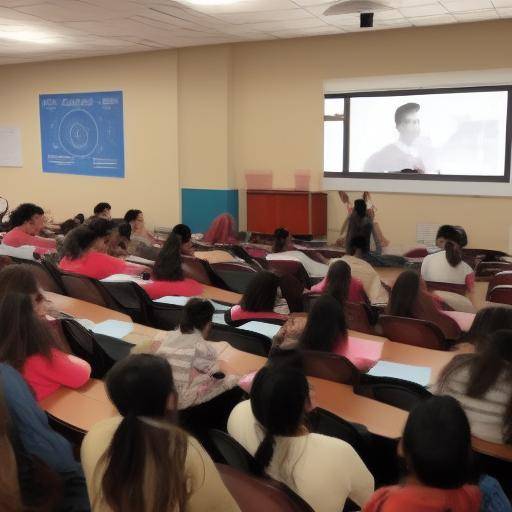
The integration of multimedia resources, such as videos, documentaries and images, can significantly enrich the teaching of world history. These visual resources can capture the attention of students, stimulate curiosity and improve the understanding of significant historical events.
Interdisciplinary approach
By linking world history with other disciplines, such as literature, art and geography, students are allowed to appreciate the connection between different areas of knowledge. This integration fosters a more holistic understanding of historical events and promotes the development of transferable skills.
Use of Case Studies
Case studies allow students to explore specific historical events in depth, analyzing multiple perspectives and understanding long-term implications. This strategy promotes critical thinking and the ability to contextualize historical events in a broader framework.
Development of analytic skills
Global history teaching can be an invaluable opportunity to develop analytical skills among students. In fostering critical evaluation of historical sources, analytical thinking and the ability to discern between different historical narratives are promoted.
Practical and Experiences
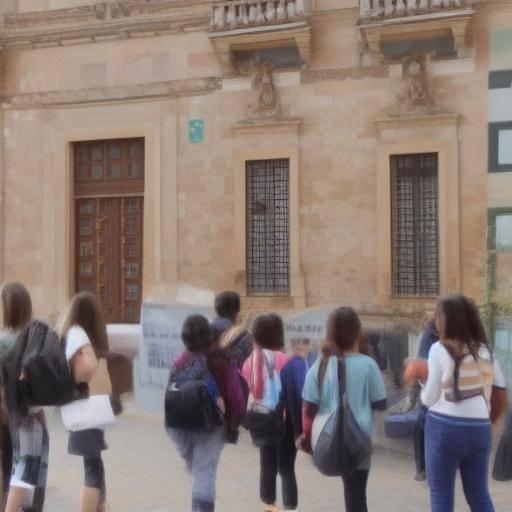
Incorporating practical experiences, such as museum visits, historical recreations or research projects, can enrich the learning of world history. These experiences offer students the opportunity to interact directly with historical material, fostering more meaningful experiential learning.
Challenges and Overcoming
Despite the importance of teaching world history, educators face challenges, such as the extension of content, the diversity of historical perspectives and the need to maintain the interest of students. However, in implementing innovative and adaptive strategies, it is possible to overcome these challenges and offer an impactful historical education.
Conclusion
Teaching world history in the classroom presents an exciting opportunity to foster a deep and meaningful understanding of the past, while promoting life skills for the future. By implementing effective educational strategies, educators can inspire students to actively engage with the wealth of world history, providing a solid basis for their personal and academic growth.