Introduction
At present, education not only focuses on knowledge transmission, but also on the integral development of students. Mindfulness, a millennial practice of full attention, has become a valuable tool for improving emotional well-being and academic performance. In this article, we will explore how to integrate mindfulness into the classroom, its benefits, challenges and best practices, as well as future trends in this field.
History and Background
The mindfulness, derived from the Buddhist teachings, has evolved over the centuries to become an accessible and secular practice. Its introduction in educational environments dates back to the 1970s, when medical teacher Jon Kabat-Zinn adapted mindfulness techniques to apply them in the clinical field. Since then, scientific studies have supported their benefits in reducing stress, improving concentration and promoting empathy.
Analysis in Deep
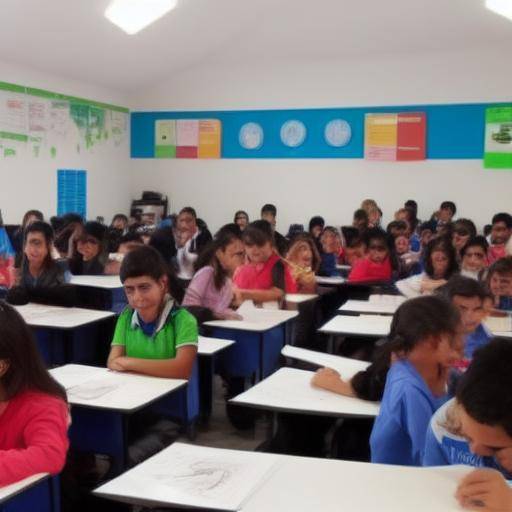
The mindfulness in the classroom has proven to improve self-consciousness and regulate the emotions of students, which positively influences their academic and social development. However, their implementation faces challenges, such as teacher training, integration with the school curriculum and acceptance of parents and educational authorities.
Comprehensive Review: Case Studies and Practices
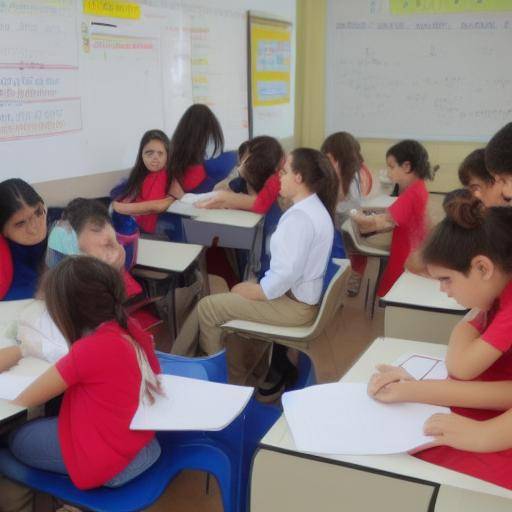
The use of mindfulness techniques in the classroom varies according to the age of students. In primary, playful activities that foster full attention, such as sensory games and breathing exercises, are used. In secondary, more structured practices such as guided meditation and written reflection are incorporated. While the results are encouraging, it is necessary to address the challenges of adapting mindfulness practices to different educational stages.
Comparative analysis
The integration of mindfulness into the classroom shares similarities with other emotional and social education practices, such as emotional intelligence and socio-emotional learning. However, mindfulness focuses on the full awareness of the present moment, which distinguishes it from other methodologies. By combining these practices, a holistic approach can be created that promotes the integral well-being of students.
Practical Tips and Recommendations
To effectively integrate mindfulness into the classroom, it is crucial to provide training to teachers, encourage parents to participate and adapt activities to the specific needs of the group. Incorporating the mindfulness gradually and constantly, combining it with curriculum activities, can maximize its benefits.
Industry Perspectives and Expert Reviews
Educational and mental health experts highlight the importance of incorporating mindfulness practices in the classroom to develop skills such as emotional self-regulation and empathy. As the emotional well-being of students becomes a priority, mindfulness is expected to become more relevant in educational settings.
Case Studies and Practical Applications
Various schools around the world have implemented mindfulness programs with promising results. For example, a school in Oregon integrated mindfulness as part of the curriculum, observing significant improvements in student concentration and behavior. These cases demonstrate the potential of mindfulness to enrich the educational experience.
Future Trends and Predictions
As the interest in the emotional well-being of students continues to grow, the integration of mindfulness into the classroom is expected to become a standard practice. New methodologies and technologies that facilitate their implementation are likely to emerge, expanding their scope and benefits.
Conclusion
The integration of mindfulness in the classroom not only contributes to the well-being of students, but also enhances their academic performance and personal development. Recognizing their importance and associated challenges, educators can implement effective strategies to improve the educational environment. Mindfulness is not only a tool for the present, but also a foundation for a more balanced and compassionate educational future.
Frequently asked questions
1. How can I effectively integrate mindfulness into the classroom?
The integration of mindfulness in the classroom requires a gradual approach. Training teachers, involving parents and adapting activities to the needs of students are vital steps for effective implementation.
2. What are the main benefits of mindfulness in the classroom?
The mindfulness in the classroom can improve concentration, reduce stress, promote empathy and promote a more balanced learning environment.
3. What is the role of parents in integrating mindfulness into the classroom?
Parents play a key role in supporting mindfulness practices at home and encouraging their use at school. Their active participation reinforces the effectiveness of these practices.
4. How can students of different ages benefit from mindfulness in the classroom?
Mindfulness techniques can be adapted to different age groups, providing benefits such as emotional self-control, self-regulation and stress management.
5. Is there scientific evidence to support the benefits of mindfulness in the classroom?
Yes, many studies support the positive effects of mindfulness on educational environments, demonstrating improvements in students' academic performance and emotional well-being.
6. What is the future of mindfulness in education?
Mindfulness is expected to continue to gain ground in the educational field, with a greater focus on teacher training and integration with the school curriculum.
In short, the integration of mindfulness into the classroom represents an opportunity to promote the well-being of students and improve their integral development. With adequate attention to teacher training, parental participation and adaptation to specific needs, mindfulness can become a fundamental pillar of future education.
Remember that the practice of mindfulness in the classroom is a tool that could transform the way students learn and interact with themselves and others. Its positive impact transcends the educational sphere and is projected into a future where full attention becomes an indispensable resource for personal well-being and growth.