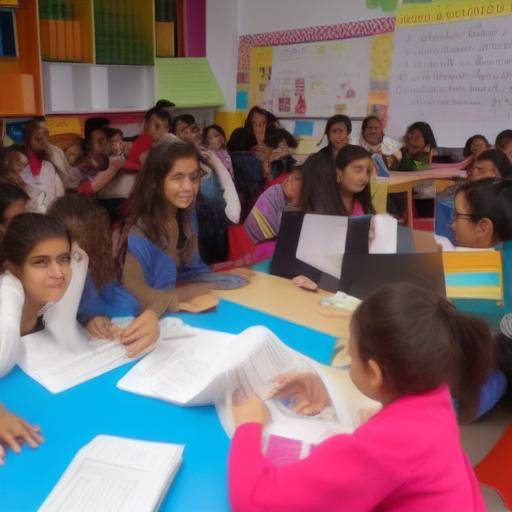
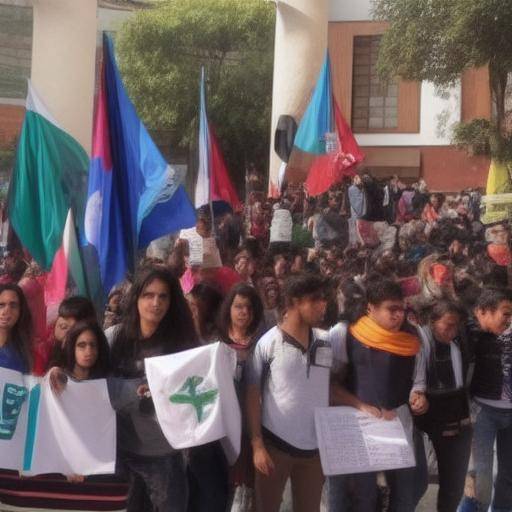
The integration of immigrant students into the classroom is a topic of great relevance today. As societies become more and more diverse, it is essential that the education system be adapted to provide an inclusive and enriching environment for all students. In this article, we will explore effective strategies for the integration of immigrant students into the classroom, addressing their importance, challenges and best practices.
Introduction
The integration of immigrant students into the classroom is a key process to foster diversity, intercultural understanding and academic success for all students. In the era of globalization, classrooms are enriched by the presence of students with diverse cultural backgrounds, offering unique opportunities for mutual learning and personal enrichment. However, this process also poses challenges that need to be effectively addressed to ensure that all students feel valued and supported in their educational environment.
History and Background
The integration of immigrant students into the classroom is rooted in the need to ensure equal educational opportunities for all individuals, regardless of their origin. Throughout history, various social movements and legislative developments have promoted the inclusion of students from different ethnic and cultural backgrounds in the educational system.
Social movements
During the twentieth century, social movements around the world advocated the integration of schools and the elimination of racial and ethnic segregation in the educational system. These movements played a crucial role in advancing towards a more inclusive and equitable educational system.
Legislative advances
The enactment of inclusive and diversity-oriented educational laws and policies has been an important milestone in the evolution of the integration of immigrant students into the classroom. These laws have laid the foundations for the implementation of practices and strategies that support the effective integration of students of immigrant origin.
Analysis in Deep
The integration of immigrant students into the classroom entails a series of challenges and benefits that need to be carefully and reflectively addressed. We will then discuss these key aspects in detail.
Benefits of Integration
The presence of immigrant students in the classroom provides a cultural and linguistic wealth that enriches the educational experience of all students. Exposure to different perspectives and traditions promotes intercultural understanding and mutual respect, preparing students to live in increasingly diverse and global societies.
Challenges and Challenges
The integration of immigrant students into the classroom also poses significant challenges, ranging from linguistic barriers to cultural adaptation. It is essential to proactively address these challenges to ensure that all students have equal opportunities to achieve their highest academic and personal potential.
Current trends
Currently, the integration of immigrant students into the classroom has become a central theme in global educational debates. The growing awareness of the importance of inclusion and diversity has led to the implementation of policies and programmes aimed at fostering a more welcoming and enriching educational environment for all students.
Comprehensive review
The effective integration of immigrant students into the classroom involves the implementation of specific strategies and practices that encourage inclusion and academic success. We will then explore the most effective approaches to achieving this goal.
Curricular adaptation
The adaptation of curricular content to be accessible and relevant to immigrant students is essential for their academic success. This may include the incorporation of multicultural materials, habilsignificant teaching, relevant dates, key figures, and milestones. It's crucial to explore major developments and turning points in educational policies and practices related to immigrant student integration.
Analysis in Deep
Benefits of Integration
The presence of immigrant students in the classroom provides a cultural and linguistic wealth that enriches the educational experience of all students. Exposure to different perspectives and traditions promotes intercultural understanding and mutual respect, preparing students to live in increasingly diverse and global societies.
Challenges and Challenges
The integration of immigrant students into the classroom also poses significant challenges, ranging from linguistic barriers to cultural adaptation. It is essential to proactively address these challenges to ensure that all students have equal opportunities to achieve their highest academic and personal potential.
Current trends
Currently, the integration of immigrant students into the classroom has become a central theme in global educational debates. The growing awareness of the importance of inclusion and diversity has led to the implementation of policies and programmes aimed at fostering a more welcoming and enriching educational environment for all students.
Comprehensive review
The effective integration of immigrant students into the classroom involves the implementation of specific strategies and practices that encourage inclusion and academic success. We will then explore the most effective approaches to achieving this goal.
Curricular adaptation
The adaptation of curricular content to be accessible and relevant to immigrant students is essential for their academic success. This may include the incorporation of multicultural materials, the teaching of linguistic skills and the promotion of self-esteem and the cultural identity of immigrant students.
Language support
Individualized linguistic support is essential to ensure that immigrant students can participate fully in the educational process. The provision of language education and translation and interpretation services significantly contributes to overcoming language barriers and facilitates effective integration into the classroom.
Development of Inter Competitions
Development of Intercultural Competitions
The promotion of empathy, cultural sensitivity and the valuation of diversity is essential for promoting an inclusive classroom environment. Programs that foster intercultural dialogue, the exchange of experiences and the celebration of cultural differences are powerful tools for building bridges between students from different backgrounds.
Socioemotional support
Socioemotional support is key to the overall well-being of immigrant students. Providing resources and advisory services, as well as creating safe and welcoming spaces, contributes to mitigating the impact of migration and facilitates positive adaptation to the school environment.
Community participation
Collaboration with parents, communities and local organizations is essential to support the integration of immigrant students into the classroom. Building strong links with the community contributes to creating an environment of mutual support and understanding, thereby strengthening the integration process.
Comparative analysis
In the educational context, the integration of immigrant students presents similarities and differences with other inclusive initiatives, as well as potential synergies that can be mutually reinforcing.
Comparison with the Integration of Students with Special Needs
While there are similarities in terms of curriculum adaptation and individualized support, the integration of immigrant students presents unique challenges related to cultural and linguistic diversity. Understanding and addressing these differences is essential to providing an inclusive educational environment for all students.
Powerful Synergies with Multicultural Education Programs
The integration of immigrant students can enrich and strengthen multicultural education programmes, while benefiting from the experiences and approaches that exist in such programmes. The combination of strategies can generate a more enriching and diverse educational environment.
Practical Tips and Accessible Recommendations
We will then present a series of practical advices and actionable recommendations to facilitate the effective integration of immigrant students into the classroom.
- Establish a welcoming and secure environment that promotes participation and mutual respect.
- Providing diverse and culturally relevant educational materials that reflect the reality of immigrant students.
- Offer opportunities for students to share their experiences and cultural traditions in an environment of respect and appreciation.
- Promote collaboration among students of different cultural backgrounds in educational projects and activities.
- Provide individualized language support, including language classes and interpretation services, as required.
- To involve the educational community in promoting an inclusive and diverse environment, fostering the participation of parents and families.
Industry Perspectives and Expert Reviews
The theme of the integration of immigrant students into the classroom has generated a broad debate and reflection in the educational community and among educational policy experts. We will then present the opinions and reflections of outstanding experts in the field of educational integration.
Interview with Dr. Ana Ramírez, Expert in Educational Diversity
Question: What are the main barriers immigrant students face in the classroom integration process?
Response: One of the main barriers faced by immigrant students is linguistic adaptation. In addition, lack of cultural understanding and discrimination may hinder their effective integration into the educational environment.
Reflections by Professor Juan Fernández, Specialist in Multicultural Education
"The integration of immigrant students into the classroom is an opportunity to enrich learning and promote intercultural understanding. It is crucial that educators be prepared to address the diversified needs of students and promote an environment of respect and appreciation of diversity."
Case Studies and Practical Applications
The following case studies will provide concrete examples of how strategies for integrating immigrant students into the classroom have been successfully implemented in real educational settings.
Case Study: "Wait" Primary School
The "Waith" primary school implemented a mentoring program between local and newly arrived immigrants, promoting collaboration and peer support. This approach strengthened interpersonal relationships and fostered an inclusive sense of community.
Case Study: Colegio "Arcoíris Cultural"
The school "Arcoíris Cultural" incorporated an interdisciplinary curriculum that highlighted cultural diversity and encouraged research and presentation of traditions from different countries by immigrant students. This approach allowed all students to appreciate and celebrate the cultural wealth of their peers.
Future Trends and Predictions
The educational landscape continues to evolve, and it is crucial to consider future trends related to the integration of immigrant students into the classroom.
Prediction: Greater Focus on Intercultural Competitions
Future educational programmes are expected to include greater emphasis on the development of intercultural skills, with the aim of preparing students to live and work in increasingly diverse and globalized societies.
Prediction: Increased collaboration between educational institutions and communities
There is an increase in collaboration between schools, community organizations and government agencies to promote the effective integration of immigrant students in the educational environment, recognizing the importance of a holistic and collaborative approach.
Conclusion
The effective integration of immigrant students into the classroom is a complex but fundamental process for creating inclusive and enriching educational environments. In addressing the challenges and taking advantage of the benefits of cultural and linguistic diversity, effective strategies and practices can help all students feel valued and supported in their educational process.
Frequently asked questions
What are the main challenges faced by educators in integrating immigrant students into the classroom?
Educators often face challenges related to linguistic adaptation, cultural understanding and the creation of an inclusive environment that values and respects diversity.
What role do parents and the community play in integrating immigrant students into the classroom?
Parents and the community play a crucial role in providing emotional support and participating in school activities that promote intercultural understanding and inclusion.
What is the importance of curriculum adaptation in the integration of immigrant students into the classroom?
Curriculum adaptation is essential to ensure that educational content is accessible and relevant to immigrant students, promoting their active participation in the educational process.
What are the benefits of integrating immigrant students into the classroom for the whole of the educational community?
The integration of immigrant students enriches the educational experience of the entire school community by promoting intercultural understanding, mutual respect and the enrichment of diversity.
What is the role of language support programs in integrating immigrant students into the classroom?
Language support programmes are critical to overcoming language barriers and facilitating the full participation of immigrant students in the educational process, promoting their effective integration.
How can educators foster collaboration among students of different cultural backgrounds in the classroom?
Educators can foster collaboration among students of different cultural backgrounds by creating projects and activities that require joint participation, promoting the exchange of experiences and perspectives.
In short, the integration of immigrant students into the classroom is a process that requires a holistic, collaborative and diversity-oriented approach. By implementing effective strategies and practices, the education system can promote an inclusive environment that benefits the entire school community.