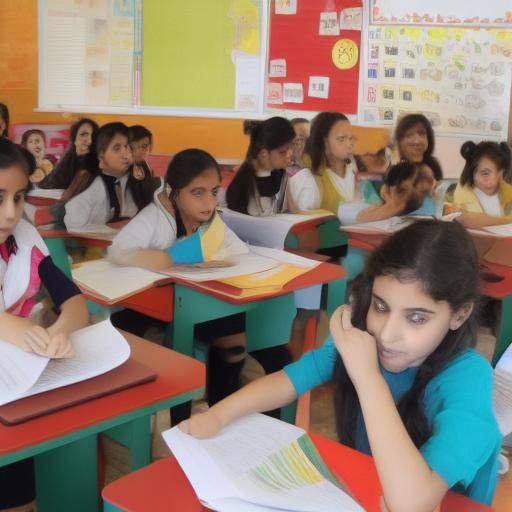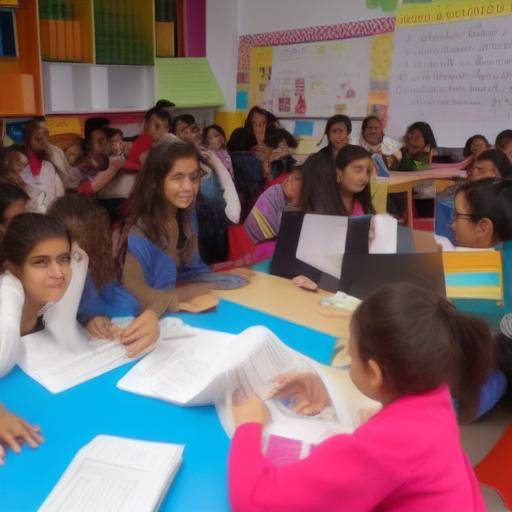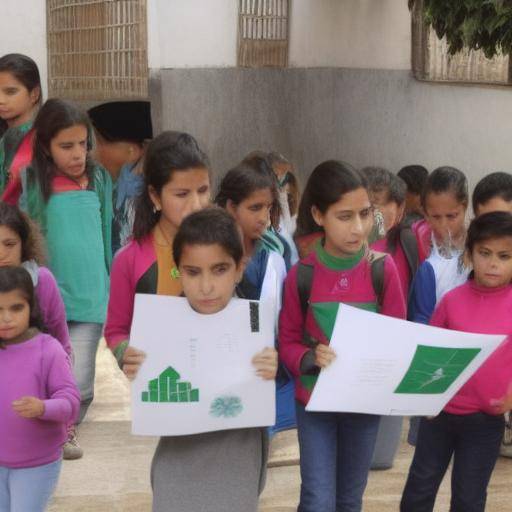
At present, the integration of diversity in the curricula is a key theme in the educational field. Globalization, technological advancement and the evolution of society demand education that reflects cultural, ethnic, gender and capacity diversity. The curricula must be adapted to provide inclusive education that prepares students for the diverse world in which we live. In this article, we will explore in depth the importance of integrating diversity into the curricula, as well as the challenges, benefits and strategies to achieve it.
Introduction
The integration of diversity in the curricula is a crucial aspect that influences the comprehensive training of students. It provides a wider and more enriching view of the world, promotes respect, empathy and acceptance of diversity, and prepares students to effectively interact in diverse environments. In this context, it is essential to understand diversity, how to effectively integrate it and its impact on the curricula.
History and Background
To understand the importance of integrating diversity into the curricula, it is essential to explore its origins and evolution throughout history. Since its inception, education has faced challenges related to diversity. At different times, various social movements and educational advances have impacted the way diversity is addressed in the curricula.
- Historical Origins
- It goes back to ancient times, when civilizations sought to educate their members on the diversity of knowledge and skills.
- In the Middle Ages, education focused on religious teaching and liberal arts, where the diversity of thoughts and approaches was valued in certain academic circles.
- Development and evolution
- During the Illustration and the Industrial Revolution, there were significant advances in education, and the diversity of ideas began to be considered fundamental to intellectual and social progress.
- Throughout the twentieth century, civil rights movements, gender equality and the inclusion of persons with disabilities influenced how diversity was addressed in education.
Analysis in Deep
Addressing diversity in study plans entails a number of benefits and challenges that directly influence student training. We will then discuss these aspects in depth.
Benefits of Integrating Diversity into Study Plans
The integration of diversity in the curricula entails various benefits that have a significant impact on the training of students and society as a whole.
- Encourages Empathy and Tolerance
- Students have the opportunity to know and understand different perspectives, cultures and experiences, which fosters empathy, tolerance and respect for others.
- Prepare for a Diverse World
- In a globalized environment, the ability to effectively interact in diverse environments is critical. The integration of diversity in the curricula prepares students for a diverse and multicultural world.
Challenges in the Integration of Diversity in the Study Plans
Despite the obvious benefits, the integration of diversity into the curricula also presents significant challenges that need to be effectively addressed.
- Curriculum requirements
- The inclusion of new content related to diversity can generate challenges in terms of the existing curriculum load.
- Training of the Teacher
- Teachers must be prepared to effectively address diversity in the classroom, which requires specific training and constant updating of their teaching skills.
Comprehensive review
The integration of diversity into the curricula is a complex process that requires a detailed understanding of its implementation, benefits and challenges. We will then discuss their practical application, best practices and future prospects.
Practices and Best Practices
- Inclusive Content Design
- The inclusion of content that reflects cultural, ethnic and gender diversity in all areas of study is critical to promoting equity in education.
- Interdisciplinary approach
- Integrating diversity can promote an interdisciplinary approach, where topics are addressed from different perspectives and disciplines, fostering a more holistic understanding.
- Sensitization and Training Programs
- Training and sensitization of teachers on diversity issues are essential to ensuring successful implementation in the classroom.
Futures and Trends
- Technology Integration
- Technology offers opportunities to create more diverse and inclusive educational resources, and to facilitate the participation of students from various backgrounds.
- Focus on Intercultural Education
- Intercultural education is a promising approach to strengthening the integration of diversity in curricula, promoting constructive dialogue and mutual understanding among cultures.
Comparative analysis
It is important to highlight the interrelationship between diversity, integration and curricula. Understanding the similarities, differences and possible synergies between these elements is essential to developing effective integration strategies.
Final Reflections
The integration of diversity in the curricula is a dynamic process that requires a continuous commitment to equity, inclusion and educational excellence. In considering these aspects from a holistic perspective, it contributes to the formation of conscious, respectful and prepared global citizens to contribute positively to society.
Practical Tips and Recommendations
To effectively integrate diversity into the curricula, it is essential to consider a number of practical advices and indications that guide this process.
- Promote active participation
- Promote the active participation of students in activities that promote understanding of diversity and mutual respect.
- Promoting Inclusion
- Implement strategies that guarantee the equal participation of all students, regardless of their individual origins and characteristics.
Conclusions and FAQs
Conclusions
Integrating diversity into curricula is a key requirement in the current educational context. In doing so, education is guaranteed to reflect the diverse reality of society, preparing students for a multicultural and globalized future.
Frequently asked questions
1. Why is it important to integrate diversity into the curricula?
The integration of diversity in the curricula is crucial to preparing students to interact in diverse settings, to promote empathy and respect, and to promote equity in education.
2. How can teachers integrate diversity into their classes?
Teachers can integrate diversity through the design of inclusive activities, the selection of diverse materials and the promotion of an environment of respect and assessment of differences.
3. What are the most common challenges in integrating diversity into the curricula?
The most common challenges include resistance to change, lack of adequate resources and the need for specialized teacher training in diversity.
4. How can educational institutions evaluate the effectiveness of the integration of diversity into the curricula?
Institutions can assess effectiveness through the analysis of academic results, the perception of students and direct observation in the classroom.
5. What role do families play in integrating diversity into study plans?
Families play a key role in supporting inclusive educational experiences at home and in fostering respect for diversity in the family environment.
6. What is the long-term impact of an inclusive education of diversity?
An inclusive education of diversity prepares students for life in a multicultural society, fosters intercultural understanding and promotes long-term equity.
External Links
For more information on the integration of diversity into the curricula, we invite you to consult the following external links:
- UNESCO - Inclusive and equitable education
- Santillana Foundation - Diversity and Education
- OEI - Diversity and school curriculum
We hope this information has been helpful to you!