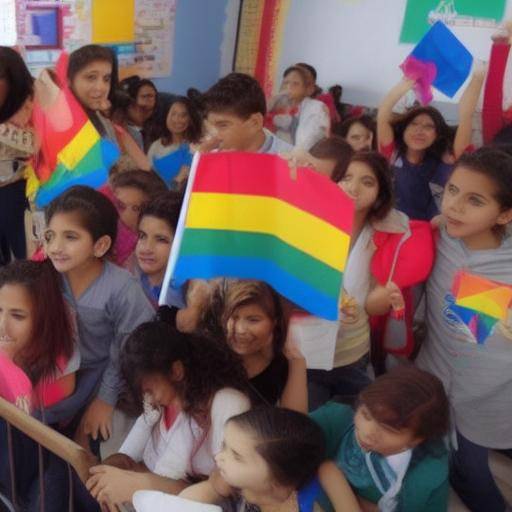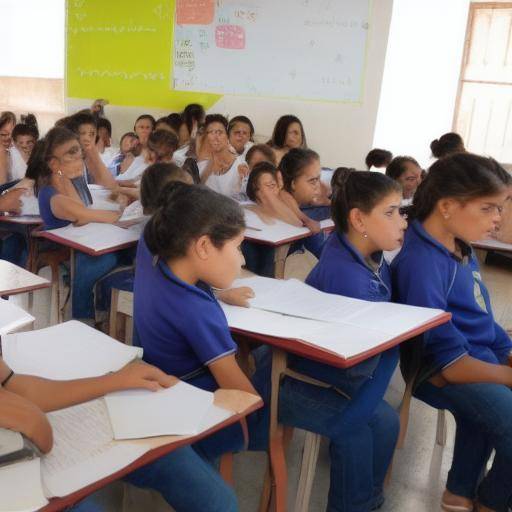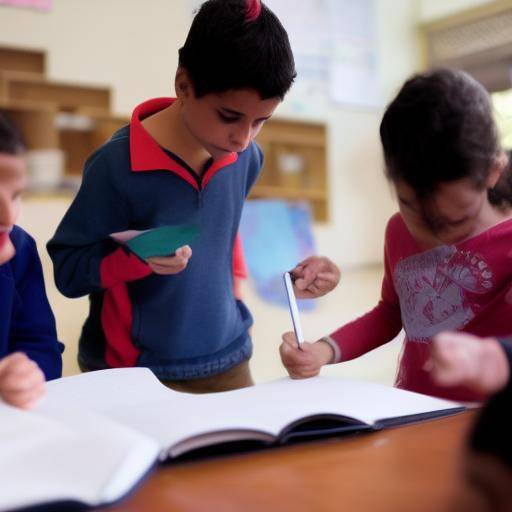
Diversity in the classrooms is an issue that has become increasingly relevant in the formation of student identity. Interaction with individuals from different cultures, ethnic origins, and life experiences has a significant impact on the development of students, shaping their perspectives, attitudes and values. In this article, we will explore in depth the impact of diversity on student identity formation, analyzing its implications, benefits and challenges, as well as providing practical advice and predictions on future trends.
Introduction
Constituting a crucible of experiences and perspectives, diversity in the educational environment not only enriches the learning environment, but also plays a crucial role in the formation of student identity. In understanding the influence of diversity on young people, it is possible to create educational environments that foster multicultural learning and self-affirmation.
History and Background
The promotion of diversity in educational institutions has been a gradual evolution that has experienced different historical milestones. From the struggle for racial integration to the assessment of diverse identities, the history of diversity in education reflects a path full of significant challenges and achievements.
Diversity in the field of education has experienced significant changes, from the struggles for equal access to education to the policies of inclusion that have sought to recognize and celebrate cultural diversity. In addition, the promotion of environments that promote acceptance and respect for individual differences has become increasingly important, thus contributing to the formation of more inclusive and plural student identities.
The inclusion of diversity in the formation of student identity has been a gradual process that has adapted to different social realities, seeking to foster spaces where plurality is valued and respected. From the inclusion of educational programs that address cultural diversity to the implementation of inclusive classroom strategies, there are various initiatives that seek to enrich the process of forming diverse and multifaceted student identities.
Analysis in Deep
The presence of diversity in the educational field entails a number of benefits, as well as challenges that must be addressed in a conscious way. In terms of benefits, studies have shown that exposure to diversity promotes empathy, intercultural understanding, and critical thinking among students. At the same time, diversity also poses challenges, such as the management of intercultural conflicts and educational equity. It is crucial to understand and address both the positive aspects and the challenges of enhancing the benefits of diversity in the formation of student identity.
Comprehensive review
Understanding diversity in the educational field requires an integral look that considers not only theoretical aspects, but also practical applications that have a direct impact on student experience. From case studies that demonstrate the positive impact of diverse environments to best practices in the promotion of inclusion, it is important to consider the multiple facets that contribute to the formation of inclusive and plural student identities.
Comparative analysis
In analyzing diversity from the perspective of impact on student identity formation, it is essential to consider the similarities, differences and possible synergies between these aspects. The intersection of diversity, educational impact and the formation of student identity reveals a complex network of influences that shape students' individual and collective experiences. In addressing these aspects in a comprehensive manner, it is possible to understand and appreciate the value of fostering diverse and enriching educational environments.
Practical Tips and Accessible Advice
In order to foster inclusive and respectful educational environments of diversity, it is essential to implement concrete actions that promote positive interaction and multicultural learning. Some practical councils include teacher training in intercultural competence, the creation of mentoring programmes among students of different backgrounds, and the promotion of the active participation of the educational community in activities that celebrate diversity. These actions contribute to creating environments that nurture the formation of solid and diverse student identities.
Perceptions of Industry and Expert Reviews
Obtaining perspectives of experts in the educational field is fundamental to understanding in depth the impact of diversity on the formation of student identity. Opinion leaders and professionals with experience in promoting diversity in educational environments provide a valuable insight into current and future trends, as well as insights into effective strategies to enhance the positive impact of diversity on the formation of enriching student identities.
Cases of Study and Applications in Real Life
Analyzing real case studies and practical applications of inclusive strategies provides an opportunity to understand the concrete impact of diversity on student identities. These cases allow us to identify lessons learned, good practices and challenges overcome, offering a detailed understanding of how diversity shapes students' educational experiences and identities in different contexts and environments.
Future Trends and Predictions
Looking ahead, diversity-related trends in student identity formation open up greater recognition of the importance of promoting inclusive and diverse environments. The focus on education equity and the assessment of individual identities is expected to continue to gain relevance, generating a positive impact on the formation of solid and diversity-conscious student identities.
Conclusion
Diversity in the educational environment has a significant impact on the formation of student identity, shaping the perspectives and experiences of young people. It is crucial to value and foster environments that promote diversity as an enriching asset, thus ensuring the construction of inclusive, respectful and pluralistic student identities. In understanding and promoting the benefits of diversity in the formation of student identities, the door opens to a more equitable, comprehensive and enriching educational future.
FAQs
1. What is the impact of diversity on student identity?
Diversity in the educational environment influences the formation of student identity by providing intercultural experiences, promoting understanding of diversity and fostering self-affirmation of students.
2. How can educational institutions foster diversity in the formation of student identities?
Educational institutions can foster diversity through the implementation of inclusive programmes, the promotion of acceptance and respect for diversity, and the training of teachers in intercultural competence.
3. What are the challenges associated with diversity in the formation of student identities?
Challenges include managing intercultural conflicts, educational equity and creating inclusive environments that value individual differences.
4. What are the benefits of promoting diversity in the formation of student identities?
Among the benefits are the promotion of empathy, critical thinking and intercultural understanding, as well as the enrichment of students' educational experiences.
5. What role do teachers play in promoting diversity in the formation of student identities?
Teachers play a key role in fostering a welcoming and respectful environment that celebrates diversity by integrating diverse perspectives into the curriculum and by modeling inclusive attitudes.
6. What are future trends related to diversity in the formation of student identities?
Increased focus is on education equity and the assessment of individual identities, as well as greater recognition of the importance of promoting inclusive and diverse environments for the formation of enriching student identities.
In conclusion, diversity has a significant impact on the formation of student identity, and it is crucial to promote inclusive and diverse educational environments. In understanding its impact, challenges and benefits, as well as exploring future trends, it is possible to strengthen the value of diversity in the formation of conscious and enriching student identities.
With this understanding, educational institutions and the community in general can work towards an educational environment that values and celebrates diversity, thus fostering a more inclusive and respectful society of individual differences.