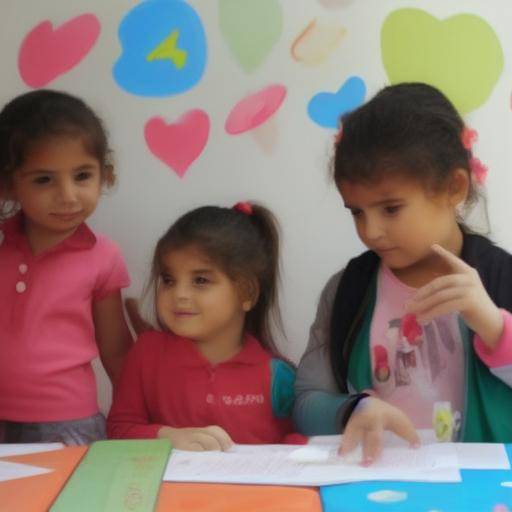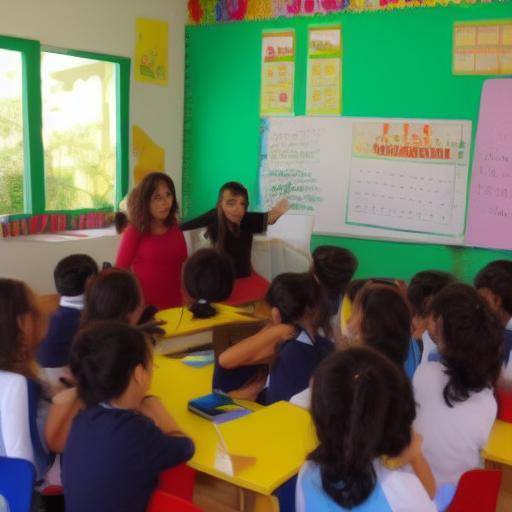
Religious diversity is a fundamental aspect of current society, and it is crucial for children to understand and appreciate this diversity from an early age. In this article, we will explore effective strategies to teach about religious diversity to children, addressing their importance, challenges and practical advice. We will also include expert opinions, case studies, and future forecasts on this relevant and current topic.
Introduction
Religious diversity is an intrinsic characteristic of our communities, and teaching about it is crucial to foster understanding, respect and peaceful coexistence. In the case of children, understanding of this diversity can lay the foundation for intercultural relations in the future. It is therefore essential to address this issue in an appropriate manner from an early age. In this article, we will explore effective strategies to teach children about religious diversity, providing a comprehensive guide for parents, educators and community leaders.
History and Background
Religious diversity has been a constant throughout the history of humanity, playing a significant role in the formation of cultures and societies. From ancient civilizations to contemporary times, different religions have influenced the ethics, morality, traditions and customs of communities. Exploring the historical roots of these religions can provide a deeper understanding of their relevance today. Examples of this include the appearance of Christianity in the Roman Empire, the expansion of Islam in the Arab world, and the influence of Buddhism in Asia.
Detailed Analysis
Religious diversity presents both benefits and challenges in the educational context, and understanding these aspects is essential for effectively teaching children. On the positive side, exposure to various religious beliefs can foster empathy, tolerance and critical thinking in children. However, it can also present challenges in terms of potential conflicts or cultural misunderstandings. Addressing these aspects in a balanced manner is essential for comprehensive education.
Comprehensive review
In teaching children about religious diversity, it is crucial to incorporate practical and effective strategies. Examples include the promotion of interreligious dialogue, the promotion of curiosity and openness to different beliefs, and the celebration of religious holidays in an inclusive manner. Moreover, it is essential to highlight the importance of tolerance and respect for differences, and to foster understanding that religious diversity enriches our lives.
Comparative analysis
Compare religious diversity with other aspects of teaching, such as cultural diversity or education in values, can provide a broad and enriching perspective. In doing so, it is possible to identify similarities and differences that help to enrich the understanding of children about the importance of religious diversity in the broader context of society.
Tips and Suggested Actions
By teaching children about religious diversity, it is essential to provide practical guidance that parents, educators and community leaders can implement in their daily lives. Some practical tips include reading stories and religious legends, visiting places of worship, participating in inter-religious celebrations, and promoting open dialogue on religious issues. By implementing these suggested actions, a deeper and more respectful understanding of religious diversity can be encouraged from an early age.
Perceptions of Industry and Expert Reviews
Educational, anthropology and sociology experts can provide valuable insights on the importance of teaching children about religious diversity. By bringing together and presenting these views, it is possible to offer a comprehensive and enriching view on the impact of the teaching of religious diversity on society and on the future of younger generations.
Case Studies and Practical Applications
Case studies provide concrete examples of the implementation of effective strategies to teach about religious diversity to children. These studies analyse results, lessons learned and impact on children's perception of religious diversity. Through these practical applications, we can better understand the methodologies that are most effective in the education of children about religious diversity.
Future Trends and Predictions
Future trends in teaching religious diversity to children can reveal new opportunities, challenges and innovative approaches. In anticipating these trends, it is possible to prepare to provide children with more relevant and up-to-date education on religious diversity, which in turn will contribute to building more inclusive and comprehensive communities.
Conclusion
In short, teaching on religious diversity to children is a crucial aspect of fostering understanding, respect and harmony in society. By adopting effective and practical strategies to teach children about religious diversity, we can contribute to the formation of future generations with an open, respectful and empathic mentality. It is essential to remember that religious diversity enriches our society and that its understanding and respect are essential for peaceful and fruitful coexistence.
Frequently asked questions
Why is it important to teach children about religious diversity?
Teaching children about religious diversity is crucial to fostering understanding, respect and peaceful coexistence in increasingly diverse societies. This early understanding lays the foundation for healthy intercultural relationships in the future.
What are some effective methods of teaching children about religious diversity?
Some effective methods include exposure to different religious traditions through tales, visits to places of worship and participation in interreligious celebrations. Open dialogue and the promotion of curiosity are also key tools.
How to address potential conflicts or cultural misunderstandings by teaching about religious diversity?
It is crucial to promote tolerance and respect for differences, as well as to foster open dialogue to address potential cultural conflicts or misunderstandings. Education in values of inclusion and respect is paramount.
How can parents foster understanding of religious diversity at home?
Parents can foster understanding of religious diversity at home through reading stories and religious legends, including religious traditions in family celebrations, and promoting respect for different beliefs.
What is the role of formal education in teaching about religious diversity?
Formal education plays a key role in providing a structured and balanced understanding of religious diversity. Inclusive curricula and teacher training in this area are essential.
What are future trends in teaching about religious diversity to children?
Future trends indicate an increasingly inclusive and multidisciplinary approach to teaching on religious diversity, which encompasses not only theoretical but also practical and experiential aspects.
In conclusion, teaching children about religious diversity is a crucial task that contributes to building inclusive and respectful societies. By providing a solid basis for understanding and acceptance of differences, we are preparing future generations for an interconnected and diverse world, where respect, empathy and mutual understanding are fundamental to harmonious coexistence.