Introduction
Extracurricular activities, such as sport, music, art and volunteerism, have shown a significant impact on the social development of young people. These activities not only offer opportunities for personal growth, but also influence social interaction, the development of emotional skills and the formation of identity. In this article, we will explore in detail the positive impact that extracurricular activities have on social development, addressing its importance, benefits, challenges and current trends. In addition, we will discuss concrete examples, practical advice, perspectives of experts, future predictions and much more.
History and Background
Extracurricular activities have profound historical roots dating back to ancient Greece, where both physical and intellectual development was valued. However, it was in the nineteenth century, during the progressive education movement, when extracurricular activities began to be incorporated into the school curriculum more formally. Since then, there has been a steady evolution in the diversity of activities offered and in the recognition of their importance in the integral development of young people.
Significantly, extracurricular activities have experienced a boom in the past decade, with a growing focus on the inclusion of activities that foster social and emotional development. This has led to greater recognition of the positive influence that these activities have on the lives of young people, both within and outside the educational environment.
Analysis in Deep
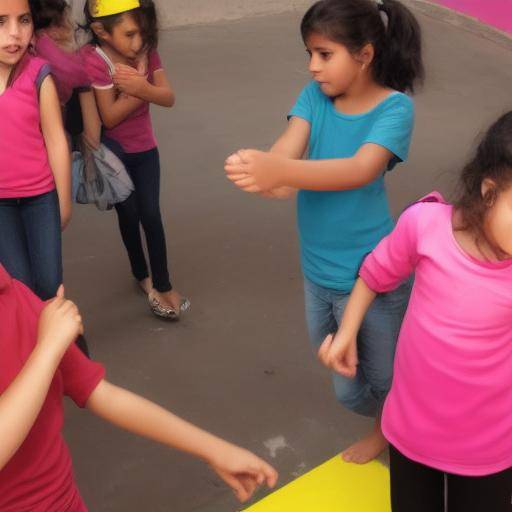
Participation in extracurricular activities has shown many benefits for the social development of young people. For example, teamwork and collaboration promoted through collective sports help develop communication and conflict resolution skills. Similarly, participation in artistic activities promotes emotional expression and self-confidence. In addition, many studies have shown that young people involved in extracurricular activities tend to have greater self-esteem and a more positive view of their future.
Despite these benefits, there are also challenges that need to be addressed, such as accessibility to certain activities for all young people, regardless of their socio-economic origin, and the need to ensure a healthy balance between extracurricular activities and academic burden.
Comprehensive review
In terms of best practices, it is essential that extracurricular activities be designed to promote inclusion and diversity, and that structured support be provided for the social development of participants. In addition, it is crucial that both educators and parents recognize and value the positive impact these activities have on the integral growth of young people.
Comparative analysis
By comparing extracurricular activities focused on social development with those of a purely academic approach, there is a significant difference in how they influence the lives of young people. While purely academic activities are important for intellectual development, extracurricular activities have a more direct impact on social interaction, empathy and emotional resilience.
Practical Tips and Accessible Tips
For educators, it is essential to recognize and support the participation of young people in extracurricular activities, as well as to foster an environment that values social and emotional growth to the same extent as academics. For parents, it is important to be informed about the options for extracurricular activities available and how these can positively influence the development of their children. In addition, fostering and supporting the active participation of young people in these activities can have a lasting impact on their personal development.
Industry Perspectives and Expert Reviews
Experts agree that extracurricular activities focused on social development play a crucial role in building the identity and emotional well-being of young people. They also emphasize the importance of constantly adapting these activities to address the changing challenges facing young people in today ' s society.
Case Studies and Real Life Applications
One notable case is the sport mentoring program, where young people at social risk participate in sports activities under the guidance and support of mentors. These programmes have shown a significant impact on the self-esteem, behaviour and future prospects of participants, which underlines the value of extracurricular activities in sensitive environments.
Future Trends and Predictions
As awareness of the positive impact of extracurricular activities on social development continues to grow, significant progress is expected in the inclusion and diversification of programmes that address the specific needs of young people. In addition, greater collaboration is anticipated between educational institutions, community organizations and the private industry to expand access to extracurricular activities in diverse environments.
Conclusions
In short, extracurricular activities play a key role in the social development of young people, providing opportunities for personal growth, identity formation and the promotion of social and emotional skills. It is crucial to recognize and support the value of these activities, both at the institutional and family levels, to ensure that young people can make the most of their potential.
Frequently asked questions
Why are extracurricular activities important for the social development of young people?
Extracurricular activities allow young people to develop social, emotional and leadership skills that are fundamental to their integral development. They provide a safe space for personal exploration and positive interaction with their peers and mentors.
How can parents support their children's participation in extracurricular activities?
Parents can support their children by encouraging them to explore a variety of activities that interest them, providing them with the time and resources necessary to participate and show genuine interest in their experiences.
Do extracurricular activities have an impact on the academic performance of young people?
Extracurricular activities, including those focused on social development, have been shown to have a positive impact on academic performance by improving youth self-esteem, discipline and time management skills.
What is the role of extracurricular activities in the emotional education of young people?
Extracurricular activities provide an enabling environment for young people to explore and understand their emotions, learn to work as a team, face challenges and develop conflict resolution skills.
How can schools improve access to extracurricular activities for all students?
Schools can improve access to extracurricular activities by ensuring a wide range of options are available, providing financial support or scholarships, and fostering a school culture that values participation in extracurricular activities.
What impact do extracurricular activities focus on social development in the community have?
Extracurricular activities focused on social development can have a positive impact on the community by fostering social cohesion, strengthening youth leadership skills and promoting values such as empathy and inclusion.
Final Notes
Extracurricular activities are an essential component of the integral development of young people, significantly affecting their social, emotional and personal growth. It is essential that both educational institutions and families recognize and support the value of these activities to ensure the long-term well-being and success of young people.