Introduction
Cultural diversity is a fundamental pillar of society and it is crucial that understanding and respect for different cultures be promoted from childhood. In this article, we will explore not only the importance of teaching about cultural diversity in children, but also effective strategies for achieving it. We will learn about the history and background of cultural diversity, evaluate its impact today, and explore future trends. In addition, we will immerse ourselves in the best practices, providing valuable advice and reflections from industry experts.
History and Background
Cultural diversity has been an intrinsic aspect of humanity throughout history. Since the first civilizations, cultural interactions have shaped the development of society. For example, the Silk Road facilitated the exchange of knowledge between East and West, generating significant advances in areas such as medicine, architecture and philosophy.
Deep analysis
At present, cultural diversity brings many benefits to society, promoting creativity, tolerance and empathy. However, we also face challenges, such as discrimination and intercultural conflicts. It is essential to address these challenges to foster harmonious and respectful coexistence.
Full review
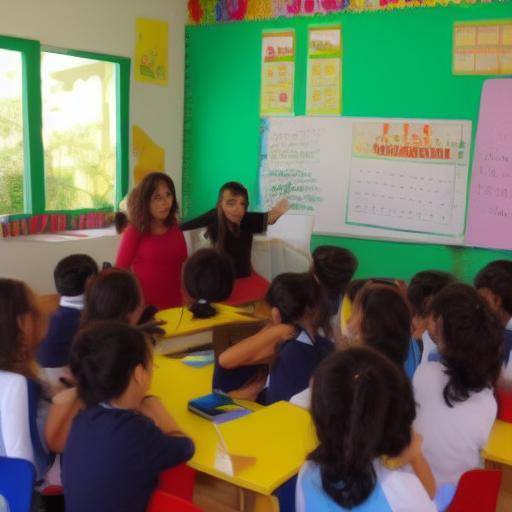
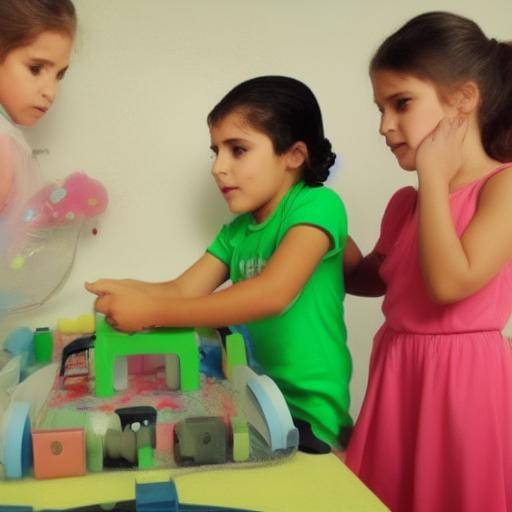
The implementation of effective strategies to teach about cultural diversity in children is critical. Inclusive education, which celebrates cultural differences and fosters mutual understanding, can promote the development of a more cohesive and respectful society. Strategies such as the integration of diverse curriculum materials, the organization of intercultural activities and the promotion of empathy are examples of effective approaches.
Comparative analysis
Understanding the influence of cultural diversity in childhood and how to properly teach these values is essential. Compare different educational approaches in different communities and contexts provides a comprehensive and enriching vision.
Practical Tips and Accessible Tips
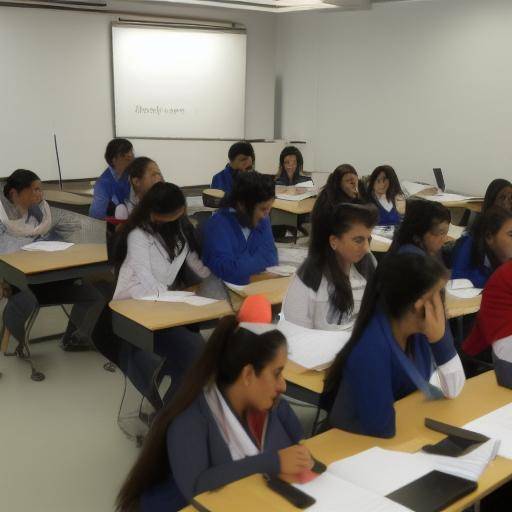
In teaching about cultural diversity in children, specific tools should be offered to educators so that they can effectively address this issue in the classroom. Providing practical advice, such as the selection of diverse literature, the organization of debates or the invitation of intercultural speakers, can significantly enrich the educational experience.
Industry Information and Expert Reviews
To consult experts on cultural diversity and education provides an invaluable perspective. Their views and expertise can provide guidance on best practices and emerging trends in intercultural education.
Case Studies and Applications in Real Life
Through case studies that illustrate the successful implementation of educational programmes focused on cultural diversity, we can identify effective approaches and lessons learned that can inspire similar initiatives in other educational settings.
Future Trends and Predictions
The future of education on cultural diversity in children is promising. The integration of digital technologies and the growing awareness of the importance of mutual respect are expected to foster more inclusive and meaningful educational practices.
Conclusion
In conclusion, teaching about cultural diversity in children is critical to fostering tolerant and cohesive societies in the future. The strategies and practices presented in this article offer an invaluable starting point for those engaged in intercultural education.
Frequently asked questions
**1. Why is it important to teach about cultural diversity from childhood?**Childhood is a crucial stage for fostering respect and understanding for other cultures, laying the foundations for an inclusive society.
**2. How can educators effectively address cultural diversity in traditional educational settings?**Educators can use diverse pedagogical resources, organize intercultural activities and encourage students' cultural self-expression to effectively address diversity.
**3. What are the common challenges in teaching about cultural diversity in children and how can they be overcome?**Lack of resources, resistance to diversity and lack of training are common challenges. These can be overcome by access to intercultural training, community collaboration and inclusive policy implementation.
**4. How can parents foster the appreciation of cultural diversity in their children from an early age?**Parents can expose their children to different cultures through food, music, celebrations and intercultural friendships, promoting empathy and respect.
**5. What is the long-term impact of inclusive childhood education on tolerance and cultural understanding?**Inclusive childhood education can have a positive impact on the formation of tolerant, conscious and respectful adults of diversity, contributing to the construction of more inclusive and harmonious societies.
**6. How can schools measure the success of their educational programmes focused on cultural diversity?**Schools can measure success through the assessment of students ' attitudes and behaviour, the participation of the community in intercultural activities and the monitoring of the inclusion of diverse materials in the curriculum.
Conclusion
In short, exploring cultural diversity in childhood is essential to cultivating a globally conscious and respectful society. By adopting effective strategies and best practices, both educators and parents can play a vital role in promoting intercultural understanding from early ages.