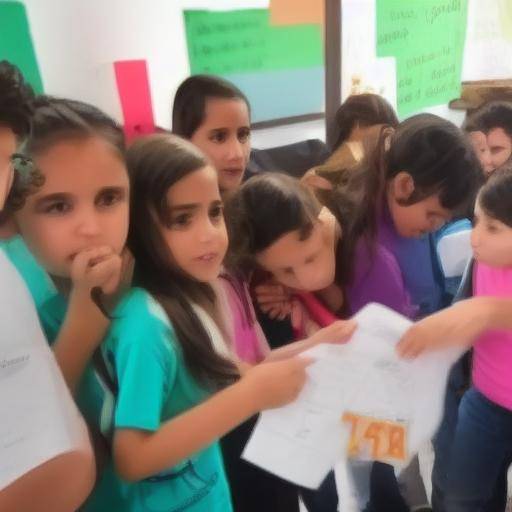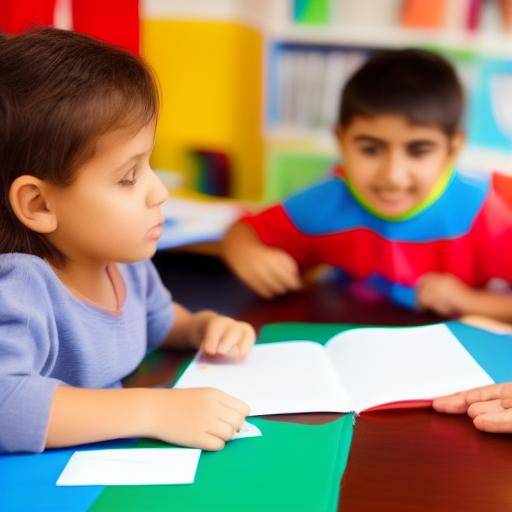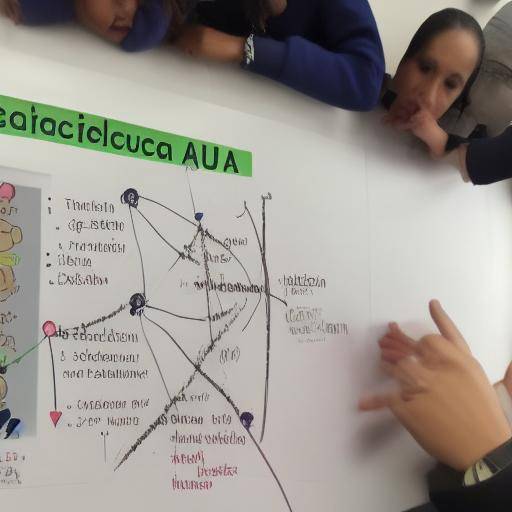
Empathy is a fundamental skill that all individuals should possess. In the educational field, teaching empathy plays a crucial role in the social and emotional development of students. In order to foster an environment of mutual understanding and empathy, it is essential that educators implement effective strategies in the classroom. In this article, we will explore various strategies for teaching empathy in the school context, from its importance and benefits to practical advice and future trends.
Introduction
The teaching of empathy in the classroom is an increasingly relevant approach in the educational field. Students who develop empatic skills not only strengthen their interpersonal relationships, but also acquire a deeper understanding of the emotions and perspectives of others. In this regard, the aim of this article is to provide educators, parents and education professionals with a comprehensive view on how to promote empathy among students, as well as the specific strategies that can be implemented in educational settings.
Brief History and Background
From the dawn of humanity, empathy has been recognized as an essential quality for coexistence and solidarity. For centuries, leaders, thinkers and philosophers have emphasized the importance of understanding and feeling empathy towards others as a fundamental principle of humanity. Throughout history, there have been significant movements and advances that have helped to understand and promote empathy in society. From ancient Greece to today, empathy has been studied in multiple disciplines, including psychology, sociology and education.
Analysis in Deep
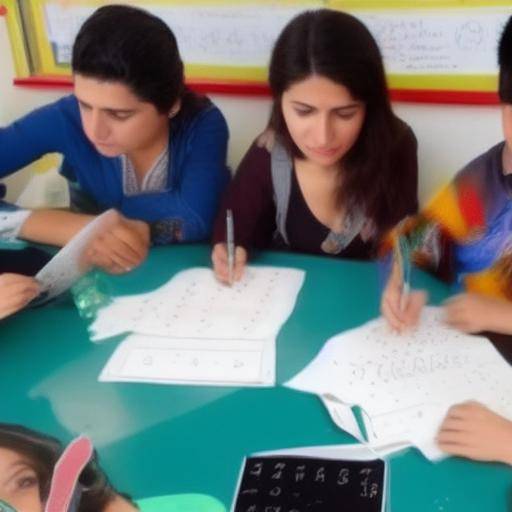
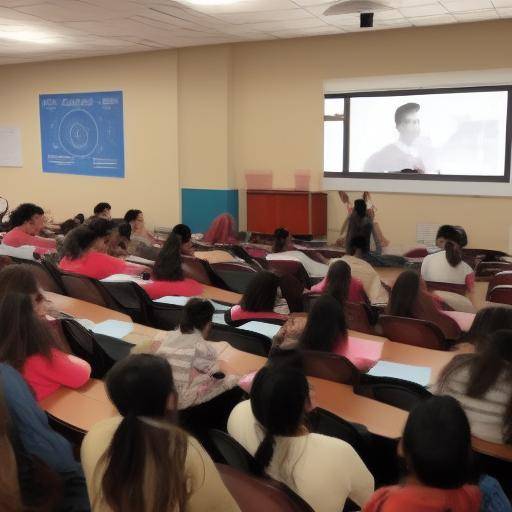
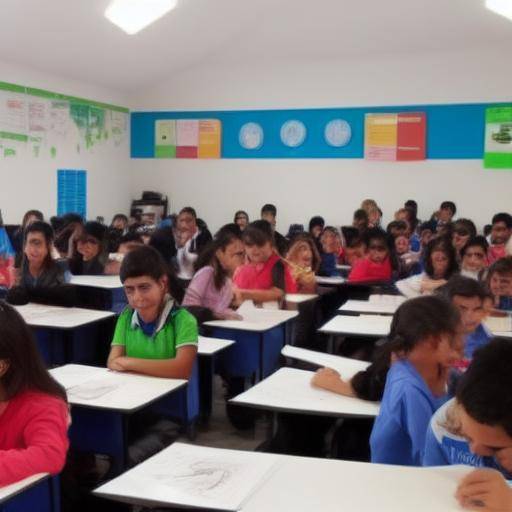
The development of empathy in the educational environment entails several significant benefits. Studies have shown that students who have a high level of empathy tend to have stronger social skills, better conflict resolution and greater sense of solidarity. However, there are also challenges that need to be addressed, such as cultural diversity and understanding of individual differences. In the classroom, teaching empathy can be effectively integrated through educational practices that foster collaboration, respect and understanding of the emotions and experiences of others.
Comprehensive review
In order for the teaching of empathy to be effective, it is crucial to consider the best practices and perspectives of experts in the field of education. In this regard, we will address various practical strategies, from effective communication techniques to activities that promote understanding of the emotions and perspectives of others. We will also explore the importance of cultivating an environment of tolerance and respect in the classroom, which will contribute significantly to the development of empathic skills in students.
Comparative analysis
By comparing the teaching of empathy with other aspects of education, such as academic development, it is clear that both areas are not exclusive, but complementary. In fact, promoting classroom empathy not only strengthens students' social skills, but also contributes positively to their academic performance and emotional well-being. By fostering an empathic environment, educators contribute to the comprehensive training of students, preparing them to face challenges and interact positively in society.
Practical Tips and Accessible Tips
There are numerous concrete strategies that educators can implement to promote empathy in the classroom. From role-playing activities to active listening, it is crucial that education professionals apply creative and effective approaches that foster understanding and empathy among students. Initiatives will also be highlighted to involve parents in this process, as family support and cooperation can significantly strengthen the teaching of empathy.
Industry Reflections and Expert Reviews
To enrich the perspective, reflections of experts from the educational industry will be collected and presented. Through interviews and opinions of professionals in the field of teaching and psychology, additional points of view and strategies will be offered to help readers understand more deeply the importance of fostering empathy in the classroom.
Case Studies and Practical Applications
Case studies will provide concrete examples of how the teaching of empathy has been successfully implemented in different educational settings. Through real experiences, the results and lessons learned will be highlighted, giving readers a practical insight into the implementation of empathic strategies in the school arena.
Future Trends and Predictions
The article will conclude with an exploration of emerging trends related to the teaching of empathy. Based on current data and expert opinions, predictions will be provided on the evolutionary role of empathy in education, as well as the challenges and opportunities that may arise in the future.
Conclusions
In short, the teaching of empathy in the classroom is fundamental to forming compassionate and socially competent individuals. In understanding the importance of empathy in human development, educators can apply effective strategies that promote mutual understanding and respect in the school environment. Empathy not only benefits students in their academic life, but also prepares the ground for a more inclusive and compassionate society.
FAQs
Why is it important to teach empathy in the classroom?
Teaching empathy promotes solid social skills, strengthens conflict resolution and fosters a sense of solidarity among students. It also contributes to a more inclusive and respectful school environment.
What are some practical strategies to promote classroom empathy?
Effective strategies include role-playing, reflection on emotions and the promotion of active listening. Also, involving parents in this process can strengthen the teaching of empathy.
How can empathy impact student academic performance?
Empathy not only strengthens social skills, but also contributes positively to academic performance. Promoting an empathic environment in the classroom can improve student collaboration, understanding and emotional well-being, which in turn influences their academic performance.
What is the role of parents in promoting empathy in children?
Parents play a crucial role in fostering empathy in children. By modeling empathic behaviors and participating in conversations about the emotions and experiences of others, parents can be significant allies in the development of empathy in their children.
How can educators address cultural diversity in the context of empathy teaching?
It is essential that educators recognize and celebrate cultural diversity in the classroom by teaching empathy. By integrating diverse perspectives, students can develop a wider and more respectful understanding of the experiences and emotions of others.
What is the long-term impact of teaching empathy on student development?
Teaching empathy can have a significant long-term impact on student development. Individuals who have developed empathic skills tend to be more compassionate, supportive and able to forge more solid and meaningful personal relationships throughout their lives.
In order to deepen the understanding of the teaching of empathy in the classroom, this article provides detailed information on fundamental strategies, their impact on the development of students, and future trends. By promoting an empathic environment in the school environment, educators and parents can contribute significantly to the growth and emotional well-being of students, preparing them to be compassionate and supportive citizens in society.
In conclusion, teaching empathy in the classroom is a crucial aspect of comprehensive student development. By fostering mutual understanding and respect, they lay the foundation for a more inclusive and solidarity society. Now that you understand the importance of teaching empathy, you are ready to implement effective classroom strategies and create a positive impact on the development of your students!
With comprehensive content and perspectives of experts, this article provides a complete look at the teaching of empathy in the educational context. Welcome to the transformation of the classroom through empathy!
This concludes our article on "Strategies for teaching empathy in the classroom". We hope you found this useful and inspiring information!
Remember that the cultivation of empathy in the educational environment brings significant benefits, and we hope that the strategies and councils shared in this article will be useful for your work as an educator. Thank you for your interest in teaching empathy and its positive impact on student development!
Note: This article is based on current research and best practices in the teaching of empathy in the classroom. It is recommended to consult education and psychology professionals for specific advice on the implementation of empathic strategies in educational settings.
With this understanding approach, your understanding of the teaching of empathy and its impact on the classroom will be enriched. Go on, take the journey to a more empathic and compassionate classroom!