Introduction
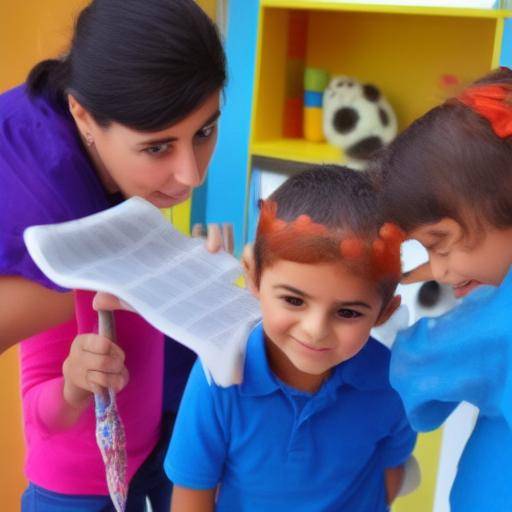
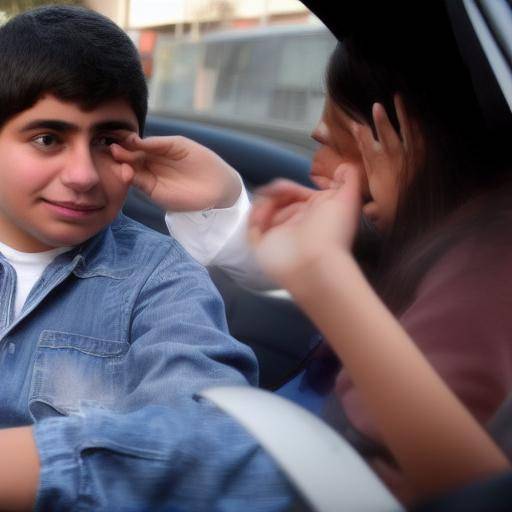
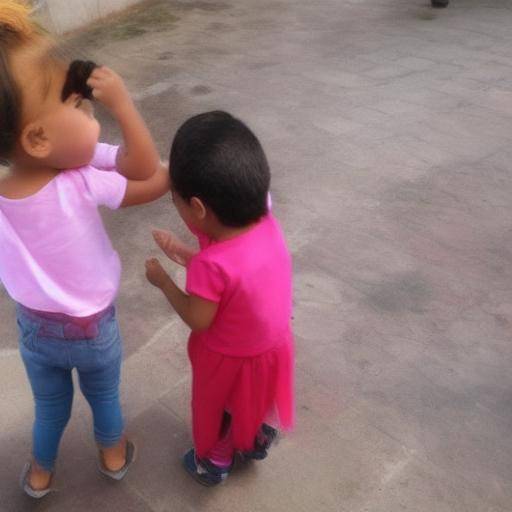
The values of respect and empathy are fundamental in the development of young children, as they enable them to interact positively with others and contribute to the construction of a more harmonious society. In this article, we will explore practical strategies and advice to promote respect and empathy for children, as well as their importance in comprehensive development. In addition, we will address how parents and educators can positively influence the acquisition of these values from an early age.
History and Background
The concept of respect and empathy has deep roots in the history of humanity. From ancient civilizations to the modern era, these qualities have been valued as fundamental pillars of peaceful coexistence and mutual understanding. From philosophical teachings to social movements, respect and empathy have been engines of change and progress in society.
Origins and Evolution of Respect and Empathy
Respect, understood as recognition and consideration for others, goes back to the first forms of social organization, where respect for authority and the elders was fundamental to community cohesion. On the other hand, empathy, the ability to understand and share the feelings of others, has been studied from philosophy and psychology, revealing its importance in building healthy relationships.
Significant Milestones and Developments
The philosophy and psychology of development have contributed significantly to the understanding of respect and empathy, revealing its impact on people's mental and emotional health. In addition, social and educational movements have promoted inclusion, social justice and respect for diversity, demonstrating the importance of fostering these values from an early age.
Detailed Analysis
Benefits of Respect and Empowerment in Small Children
The teaching of respect and empathy from childhood has significant benefits. Children who internalize these values show greater capacity to resolve conflicts peacefully, develop stronger relationships with their peers and are more likely to understand and respect diversity in their environment.
Challenges and Challenges
Despite the importance of promoting respect and empathy, it is crucial to recognize the challenges that may arise in this process. The influence of the family environment, school dynamics and exposure to violence in the media represent obstacles that need to be addressed consciously and proactively.
Current Trends and Relevant Statistics
Various studies have shown that children who grow up in environments where respect is encouraged and empathy tend to show better academic results, greater self-esteem and a more positive attitude towards problem solving.
Exhaustive examination
Recommended Strategies and Practices
In order to promote respect and empathy for young children, it is essential to adopt a holistic approach that includes behavioural modeling, values education, the promotion of active empathy and the establishment of clear and respectful limits.
Opinions of Experts and Future Perspectives
Various experts in child psychology, education and social development agree on the importance of integrating respect and empathy in educational programmes and in the family sphere, thus strengthening the basis for the formation of responsible and committed individuals with their environment.
Comparative analysis
Differences and Similarities between Respect and Empathy
While respect and empathy are different qualities, both are intrinsically related in building healthy relationships and promoting an environment of mutual understanding. While respect focuses on recognition and consideration for others, empathy implies the ability to understand and share the feelings of others, thus forming a solid basis for healthy and positive interpersonal relationships.
Practical Tips and Accessible Recommendations
Strategies to promote respect and empathy for young children
- Modeling behavior: Adults and figures of authority in the life of children have a fundamental role in modeling respect and empathy through their own actions and attitudes.
- Promoting active empathy: Promoting the ability to place one another fosters understanding and mutual support among children.
- Establish respectful limits: Teaching children to respect the limits of others and to express their own needs respectfully is key to developing healthy social skills.
The importance of open communication and dialogue
Promoting open communication with children, listening to their concerns, opinions and emotions, contributes significantly to developing their empathy and ability to understand. In promoting respectful dialogue, an enabling environment is created for the emotional and social growth of children.
Information and Reviews of the Industry
Expert reflections on child education and development
Dr. Ana Martínez, Child Psychologist
"The promotion of respect and empathy from early ages lays the foundation for the formation of individuals with solid social and emotional skills, fundamental for their well-being and integral development."
Professor Carlos Sánchez, Educator
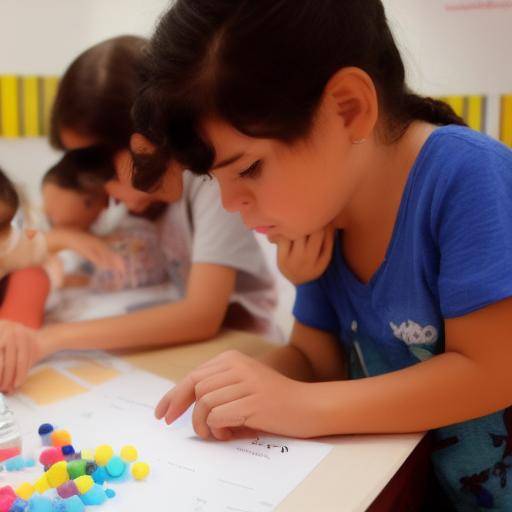
"The inclusion of activities and dynamics that promote empathy and respect in the classroom significantly contributes to the creation of a positive and enriching learning environment."
Case Studies and Practical Applications in Daily Life
"Project Respect and Solidarity" at a Primary School
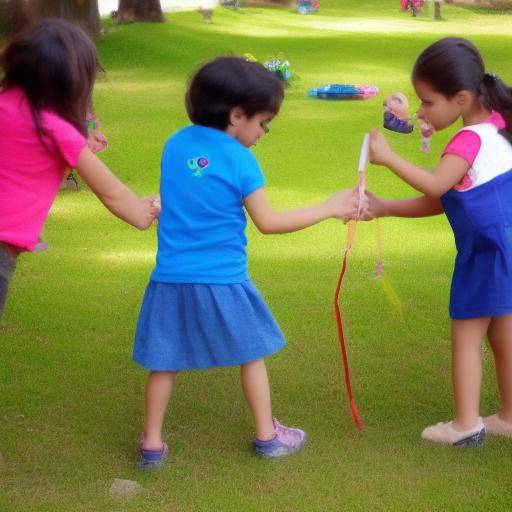
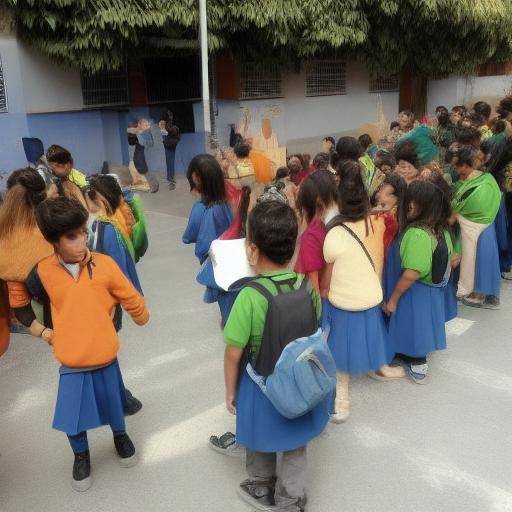
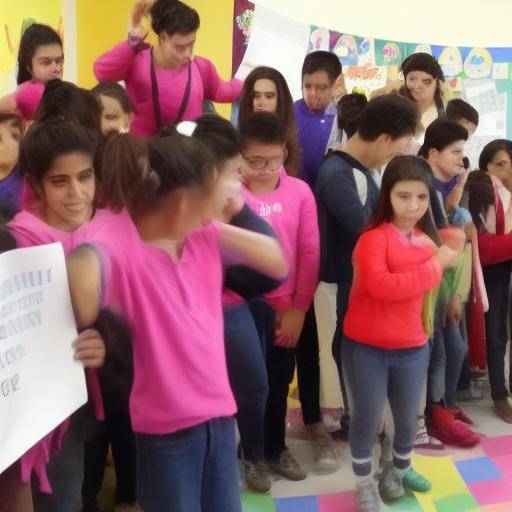
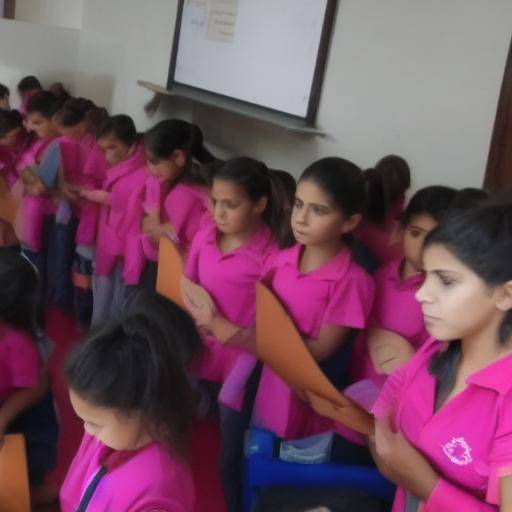
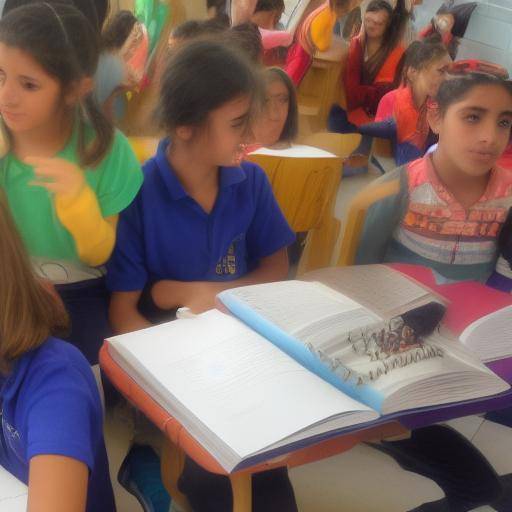
The project implemented in this school focuses on promoting respect and empathy through practical activities, such as the peaceful resolution of conflicts, the promotion of collaboration and the recognition of individual differences. The results have shown a significant improvement in the coexistence and emotional well-being of students.
Future Trends and Predictions
Development of educational programmes focused on securities training
The trend towards more comprehensive education, including the development of socio-emotional skills, points to a greater emphasis on promoting respect, empathy and inclusion in educational institutions. This represents a significant change in the preparation of future generations for harmonious and respectful coexistence in society.
Conclusions
In short, promoting respect and empathy for young children is crucial for their comprehensive development. These qualities not only contribute to the construction of healthy relationships, but also promote the formation of individuals aware and sensitive to the needs of others, fundamental elements for individual and collective well-being. Adults, whether parents, educators or figures of authority, have the responsibility to actively promote these values, both through example and direct education, to consolidate a promising and respectful future for generations to come.
FAQs
How old should you begin to teach respect and empathy to young children?
It is advisable to start teaching these values from an early age, as children are receptive to the modeling and influences of the environment since their early years.
How can challenges be addressed to promote respect and empathy in unfavourable environments?
It is important to focus on establishing positive patterns of behaviour, promoting education in values and offering safe spaces for expression and dialogue, including in challenging environments.
What is the relationship between empathy and the development of social skills in young children?
Empathy is fundamental in building positive relationships, as it allows children to understand the emotions and needs of others, fostering cooperation, mutual support and peaceful resolution of conflicts.
What is the long-term impact of promoting respect and empathy for children?
Fostering respect and empathy for children from an early age has a significant impact on their emotional well-being, their ability to interact healthy and their contribution to creating harmonious environments in society.
How can parents incorporate the promotion of respect and empathy into the daily routine with their children?
Parents can integrate these values into everyday life through open dialogue, constructive conflict resolution, the example of respectful behaviour and the promotion of understanding towards others.
How do the media influence the perception of respect and empathy in children?
It is crucial that parents and caregivers monitor and discuss media content with children, promoting a critical vision and analysis of respectful and empathetic behaviors.
How can educators incorporate the promotion of respect and empathy in the school environment?
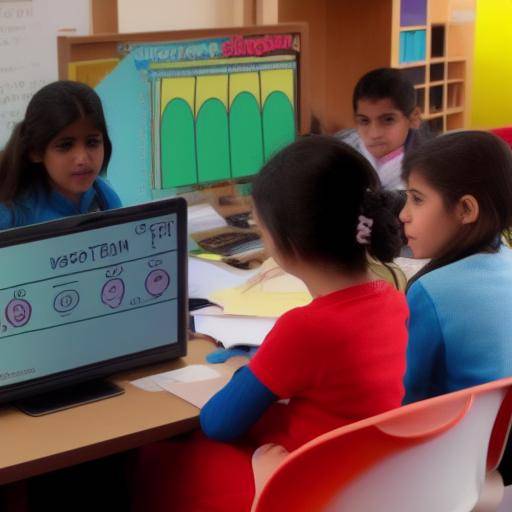
Educators can promote empathy and respect through interactive activities, peaceful conflict resolution, promotion of inclusion and recognition of diversity in the classroom and the school community.
With solid information, practical strategies and expert reflections, this article offers a comprehensive perspective on the importance of promoting respect and empathy for young children. In understanding and applying these principles, both in the family environment and in the educational field, it is significantly contributing to the formation of individuals with a solid foundation to interact positively and build a more compassionate and respectful world for future generations.