Introduction Respect is a fundamental value that influences the formation of the character of people. From its origins to its role in today's society, respect has played a crucial role in shaping human attitudes, behaviors and relationships. In this article, we will explore in depth the role of respect in the formation of character, its historical relevance, its benefits and challenges, as well as future trends. We will also provide practical advice, case studies and expert views to better understand this fundamental issue.
History and Background The concept of respect has profound historical roots dating back to ancient civilizations such as Greek, Roman, and Chinese. In these cultures, respect was considered essential to maintaining social harmony and establishing hierarchies of authority. Throughout history, various philosophies, religions and ethical systems have attached great importance to respect as an essential component of moral and social life. From the age of medieval courts to modern democratic societies, respect has evolved from a cultural norm to a universal principle of human interaction.
Respect, in its most basic form, implies consideration, courtesy and recognition of the intrinsic value of each individual. It is the basis of peaceful coexistence, constructive dialogue and ethical behaviour. Over the centuries, moral leaders, thinkers, and social movements have promoted respect as a vehicle for justice, equality and human dignity. Each historic milestone, whether the Declaration of Human Rights in 1948 or the civil rights movement in the United States, has been shaped by the search for mutual respect among people.
Analysis in Deep In the modern era, respect remains a crucial pillar in the formation of the character of individuals and in the construction of solid communities. Respect fosters empathy, tolerance and understanding, which is essential for the development of meaningful relationships and the peaceful resolution of conflicts. In addition, respect promotes cultural diversity, inclusion and recognition of the dignity of all persons, essential aspects of social well-being and collective progress.
However, respect is not without challenges. In the digital era, online incivility, harassment and intolerance have posed significant challenges for the promotion of respect in society. Lack of respect can lead to harmful consequences, such as discrimination, exclusion and social fragmentation. It is crucial to address these challenges and cultivate a culture of respect that transcends individual differences and promotes social cohesion.
Comprehensive review The formation of character not only benefits from mutual respect among people, but also requires deep self-recognition and self-esteem. Respect for oneself is a central dimension in the formation of character, as it influences self-image, decision-making and ability to establish healthy limits in interpersonal relationships. In addition, respect for oneself is a fundamental ingredient for personal empowerment and the development of solid self-esteem.
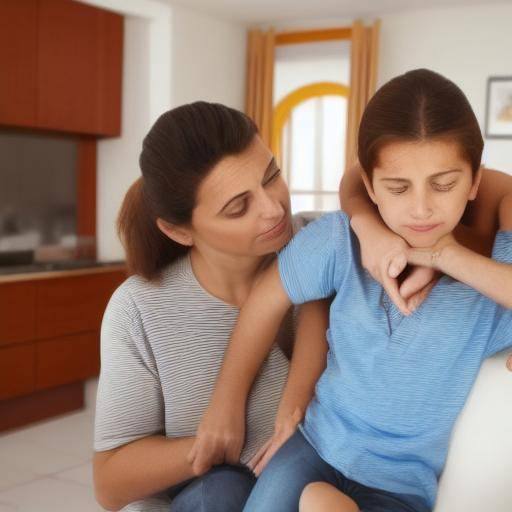
Respect, in its essence, is a bridge between the individual and society. Since childhood, children need to be educated in an environment that promotes respect for themselves and others. Models to follow, formal education and the social environment are key determinants in the internalization of respect as a value rooted in the formation of character. In educational institutions, respect provides an ethical framework for coexistence and meaningful learning.
Comparative analysis
Comparatively, the role of respect in the formation of character is similar to the foundations of solid construction, as it underpins both individual and collective integrity, ethics and responsibility. Respect, together with other fundamental values such as honesty and empathy, contributes to the configuration of a full and virtuous character. On the other hand, the role of respect in the formation of character is distinguished by its ability to foster social harmony, civic ethics and interpersonal justice, essential elements for the healthy functioning of communities and societies.
Practical Tips and Accessible Recommendations To promote respect in the formation of character, it is crucial to inculcate values of empathy, equality and acceptance from an early age. Educators, parents and community leaders play a key role in transmitting these values to future generations. Promoting active listening, promoting diversity of opinions and modeling respectful behaviors are concrete actions that can shape the character of people towards a more harmonious and respectful coexistence.
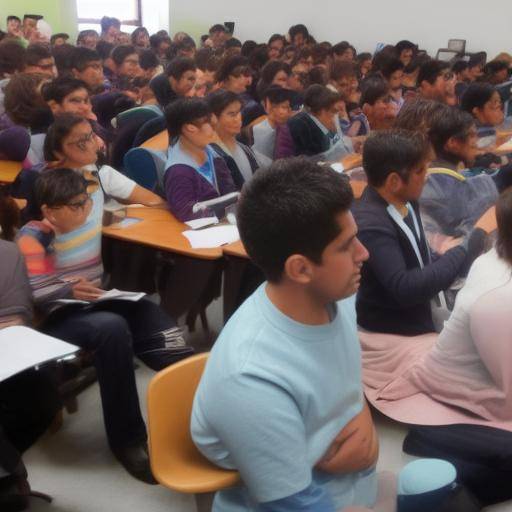
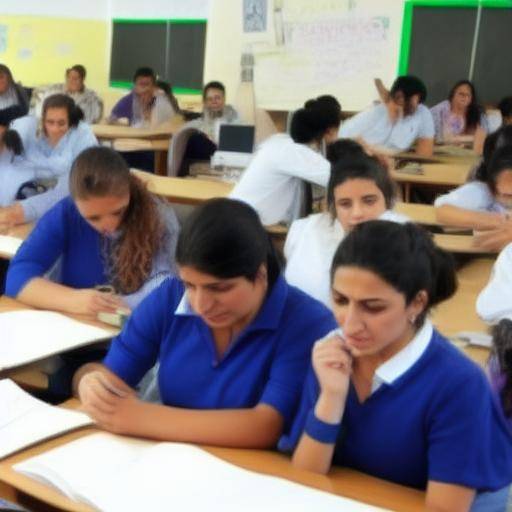
Case Studies and Practical Applications Case studies and actual examples highlight the importance of respect in the formation of character. For example, in working environments, the promotion of respect and inclusion contributes to more productive and collaborative teams. In educational contexts, promoting mutual respect between students and teachers creates an enabling environment for learning and self-confidence. Thus, concrete examples illustrate how respect influences the formation of character and the quality of human relations in various fields.
Future Trends and Predictions As society evolves, it is crucial to foresee future trends in relation to the role of respect in the formation of character. Digitalization and globalization are expected to continue to influence human interaction, underlining the importance of promoting respect in virtual and multicultural environments. In addition, future trends could give rise to greater emphasis on social and emotional education, which seeks to cultivate skills of coexistence, empathy and respect from an early age.
Conclusion In short, respect plays a crucial role in the formation of character, shaping human attitudes, behaviors and relationships. From its historical origins to its application in today's society, respect is a fundamental pillar for peaceful coexistence, interpersonal justice and ethical development. By fostering mutual respect and promoting authenticity and integrity, it is possible to forge more equitable, supportive and empathic communities.
FAQs
What is the role of respect in the development of character? Respect plays a fundamental role in the development of character by fostering values of empathy, tolerance and human dignity, promoting healthy relationships and civic ethics.
Why is it important to inculcate respect from an early age? Early education in respect lays the foundation for the formation of a full character, promoting tolerance, equality and peaceful coexistence in future generations.
How can the working environment promote respect in the formation of character? Work environments that promote respect promote the development of collaborative teams, the feeling of belonging and the emotional well-being of employees, shaping their professional and personal character.
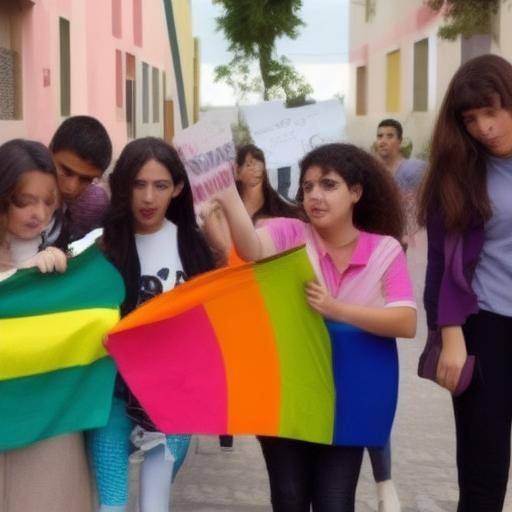
What are some practical strategies to promote respect in multicultural communities? The promotion of intercultural dialogue, the recognition of diversity and the promotion of inclusion are key strategies for promoting respect for multicultural communities, promoting mutual understanding and appreciation for cultural differences.
What is the relationship between self-respect and mutual respect in the formation of character? Self-respect and mutual respect are interdependent, as self-respect is the basis for establishing healthy limits in relationships, while mutual respect promotes peaceful coexistence and acceptance of others in the formation of character.
How does conflict management influence the promotion of respect for the formation of character? The constructive handling of the conflict based on mutual respect promotes the peaceful resolution of disputes, strengthening communication skills and the ability to understand in the formation of character.
In conclusion, respect plays a vital role in the formation of character, promoting peaceful coexistence, human dignity, interpersonal justice and ethical development. By fostering mutual respect and promoting authenticity and integrity, it is possible to forge more equitable, supportive and empathic communities.