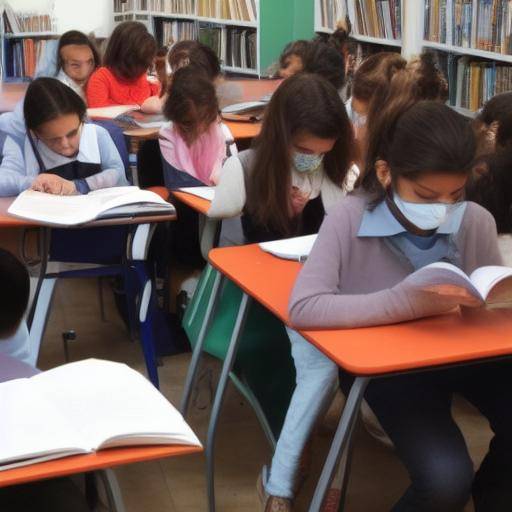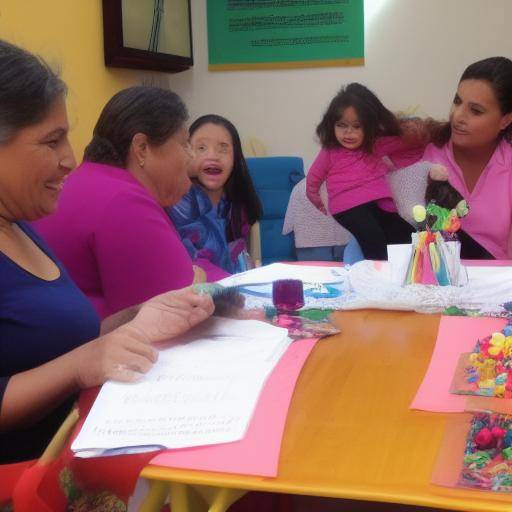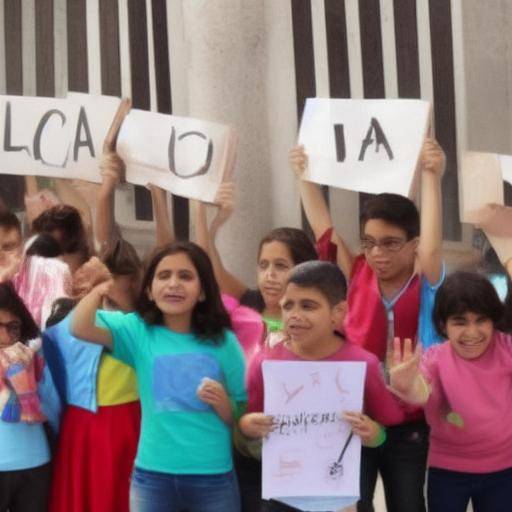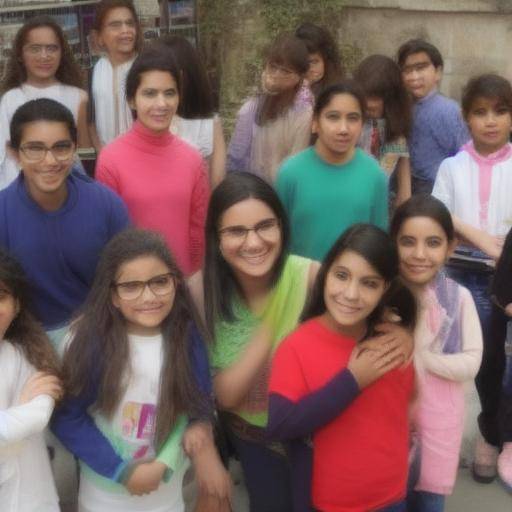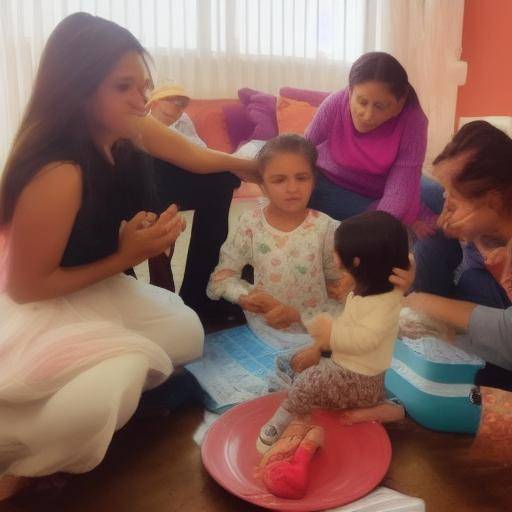
Respect for diversity at school is a crucial aspect for the integral development of students. Promoting an environment of mutual respect and acceptance promotes a school culture that values ethnic, cultural, linguistic, gender and capacities, among others. This diversity enriches the educational environment and prepares students for an inclusive society. In this article, we will explore how to promote respect for diversity at school, as well as its importance and benefits.
Introduction
Promoting respect for diversity at school is essential in the formation of citizens committed to equity and social justice. By creating an inclusive educational environment, mutual respect is fostered, prejudices are reduced and positive interpersonal relationships are promoted among students. In this article, we will address the importance of cultivating respect for diversity in classrooms and provide concrete strategies to integrate this value into the school curriculum.
History and Background
The promotion of respect for diversity at school has its roots in the struggle for civil rights and social equity. From the human rights movement to the fight for gender equality, various historical events have influenced how diversity is addressed in the educational context. There is a need to develop a curriculum that reflects cultural, ethnic and gender diversity, as well as programmes to prevent bullying and discrimination. Respect for diversity becomes a fundamental pillar of modern education.
The evolution towards greater inclusion is reflected in legislative changes and educational policies that seek to ensure equal opportunities for all students. The creation of inclusive school environments has been recognized as a determining factor in student academic and personal success. Addressing diversity is not only a matter of equity, but also of personal and academic enrichment.
Analysis in Deep
Respect for diversity at school entails many benefits, such as promoting empathy, reducing harassment and discrimination, and strengthening social cohesion. However, it also presents challenges, such as resistance to change and lack of resources to implement inclusive educational programmes.
The adoption of pedagogical approaches that integrate diversity into the school curriculum is essential to foster respect. This involves the selection of educational materials that reflect cultural diversity, teacher training on issues of equity and diversity, and the promotion of activities that celebrate cultural differences and promote intercultural dialogue.
Statistical data show that students attending schools that promote diversity and mutual respect tend to have higher academic performance and develop stronger intercultural skills. These skills are increasingly valuable in a globalized and multicultural world.
Exhaustive examination
Promoting respect for diversity at school can be achieved through the implementation of intercultural awareness programmes, the creation of student coalitions that promote diversity, and collaboration with community organizations to organize events that are sensitive to diversity. In addition, it is essential that teachers be models to follow by demonstrating respect for and appreciation for diversity in their pedagogical practices and in the management of school life.
Comparative analysis
The task of fostering respect for diversity at school implies a holistic approach that goes beyond simply recognizing differences. It is about creating an environment in which diversity is valued and respected, and in which intercultural understanding is actively promoted. By merging pedagogical practices with the promotion of values of respect, the social fabric of the educational community is strengthened, conflicts are reduced and the basis for harmonious coexistence is laid.
Practical Tips and Accessible Recommendations
To promote respect for diversity at school, it is essential to implement concrete strategies. Some of these include:
- Integrate diversity into the school curriculum through activities, materials and examples that reflect cultural and ethnic plurality.
- Promote teacher training on diversity and equity issues, providing tools and resources for inclusive education.
- Establish spaces for dialogue and reflection in the classroom, where students can express their experiences and perspectives on diversity.
- Support and promote student initiatives that advocate for inclusiveness and mutual respect.
- Promote the participation of families in activities that value diversity and promote a culture of respect in the school environment.
Industry Perspectives and Expert Reviews
Experts on education and diversity highlight the importance of comprehensively addressing diversity in the educational field. They agree that the promotion of mutual respect and intercultural understanding are fundamental to the development of a global citizenship committed to social justice. They also emphasize the need to train educators in effective strategies to foster an inclusive environment in school and to provide continued support in this area.
Case Studies and Practical Applications
An exemplary case of promoting respect for diversity at school is the intercultural education programme implemented in a primary school in Madrid. Through cultural activities, exchange projects with other schools and the inclusion of diversity in the curriculum, the respect and assessment of differences among students was strengthened.
Future Trends and Predictions
The future of education includes a continuous approach in promoting respect for diversity at school. Increased integration of intercultural approaches into the school curriculum is expected, as well as an emphasis on teacher training on issues of diversity and equity. As societies become increasingly diverse, inclusion and mutual respect in schools become indispensable pillars of the education system.
Conclusions and FAQs
In conclusion, promoting respect for diversity in school is a shared responsibility that requires the active participation of the educational community. By embracing diversity and promoting mutual respect, schools can become enriching spaces where all students feel valued and respected.
Frequently asked questions
1. Why is it important to promote respect for diversity at school?
Promoting respect for diversity at school is crucial to promoting inclusion, reducing harassment and discrimination, and preparing students to live in increasingly diverse and global societies.
2. How can teachers promote respect for diversity in the classroom?
Teachers can promote respect for diversity in the classroom by integrating diverse content into the curriculum, fostering intercultural dialogue and modeling attitudes of respect and appreciation of diversity.
3. What are the benefits of promoting respect for diversity at school?
The benefits include promoting empathy, reducing bullying and discrimination, and strengthening the intercultural skills of students.
4. What challenges do they face by fostering respect for diversity in school?
Some challenges include resistance to change, lack of resources to implement inclusive educational programmes and the need for stronger teacher training on issues of diversity and equity.
5. How can the educational community collaborate to promote respect for diversity at school?
The educational community can collaborate by promoting activities that celebrate diversity, supporting inclusive student initiatives and participating in training on issues of diversity and equity.
6. What is the long-term impact of promoting respect for diversity at school?
The long-term impact includes the formation of citizens committed to equity and social justice, the reduction of interpersonal conflicts and the preparation of students to live in diverse societies.
This article concludes that it addresses the importance of promoting respect for diversity at school, as well as strategies and key considerations for achieving it. The promotion of an inclusive and diversity-friendly educational environment not only benefits students, but also contributes to building more just and equitable societies.