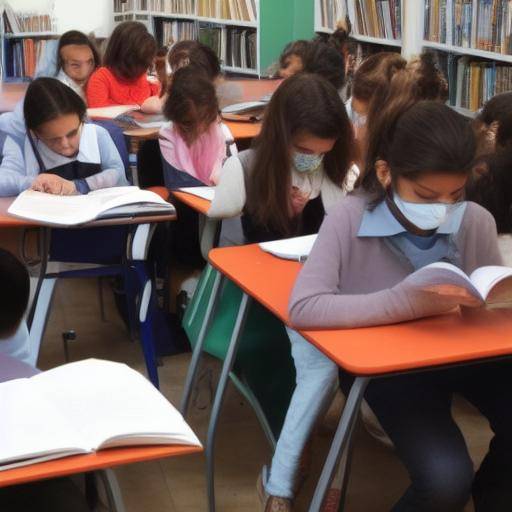
Empathy, the ability to understand and share the feelings of others, is a crucial element in any educational community. Instilling empathy in the school environment not only promotes healthy interpersonal relationships, but also contributes to the development of social and emotional skills in students. This article explores various strategies to promote empathy among students, offers a comprehensive analysis, practical advice and a vision for the future on this topic.
Introduction
The cultivation of empathy among students is essential to promote a positive and compassionate school environment. By helping students understand and respect the emotions of their peers, the development of social and emotional skills essential to their success in life is promoted. In this article, we will explore various effective strategies that can be implemented in educational settings to promote empathy among students, promoting the formation of compassionate and empathic individuals.
History and Background
Empathy, concept with deep emotional and psychological roots, has been the object of interest throughout history. From ancient philosophy to modern psychology, various thinkers have addressed the importance of empathy in human interactions. Over the centuries, empathy has evolved from a philosophical concept to an area of study in psychology and social sciences.
In-depth analysis
Empathy has a significant impact on the quality of human interactions, contributing to healthier relationships and greater understanding among individuals. In addition, empathy is closely related to emotional intelligence, which is fundamental to personal and social well-being. Promoting empathy among students not only contributes to the emotional climate of the school, but also provides long-term benefits in the personal and professional development of individuals.
Comprehensive review
In the educational context, empathy plays a crucial role in preventing school harassment, conflict management and promoting an inclusive and respectful school environment. Understanding and implementing classroom empathy is essential to foster cooperation, understanding and mutual support among students.
Comparative analysis
The implementation of concrete strategies to promote empathy in educational settings contributes to the integral development of students, providing tools to address the emotional and social challenges that may arise in their daily lives. When comparing different methodologies, it is possible to identify those that are better aligned with the needs and particularities of each group of students.
Practical Tips and Actions
The integration of practical activities, role-playing exercises and group dynamics are effective tools to promote empathy among students. In addition, the inclusion of empathy as a cross-cutting theme in the school curriculum offers various opportunities for its development and application in different areas of knowledge.
Industry Perspective and Expert Reviews
Recognized specialists in education and emotional development underscore the importance of fostering empathy in educational settings, highlighting their benefits at the individual and collective levels. Expert opinions offer a deep insight into the implementation of effective strategies that promote empathy among students, promoting the formation of more understanding and solidarity individuals.
Case Studies and Real Life Applications
Analysis of case studies and the observation of applications in real educational contexts provide a clear vision of the effectiveness and relevance of different strategies to promote empathy among students. These concrete examples illustrate how empathy can be cultivated and applied at the school level to promote a more inclusive and respectful environment.
## Futures and Predictions
The educational landscape will continue to focus on the integral development of students, incorporating empathy as a fundamental element in the formation of resilient and socially conscious individuals. Future predictions suggest a greater emphasis on emotional and social education, recognizing the positive impact that empathy has on the quality of human interactions.
Conclusion
Promoting empathy among students is a key pillar in creating inclusive and compassionate educational environments. By implementing effective strategies to promote empathy, it contributes to the development of essential social and emotional skills in students, preparing them to face the challenges of life with understanding and solidarity. Empathy not only strengthens interpersonal interactions, but also enriches the educational experience, cultivating empathic and socially responsible individuals.
Frequently asked questions (FAQs)
**1. Why is it important to promote empathy among students?**Promoting student empathy is crucial because it promotes healthy interpersonal relationships, prevents school harassment, and contributes to the development of essential social skills.
**2. What practical strategies can be implemented to promote classroom empathy?**Role-playing activities, structured discussions on emotional issues, and the incorporation of empathy as a cross-cutting theme in the curriculum are some effective practical strategies.
**3. How can empathy impact student academic performance?**Empathy contributes to creating a positive school environment, fostering the concentration, participation and emotional well-being of students, which in turn can have a positive impact on academic performance.
**4. What role do teachers play in promoting empathy among students?**Teachers have a fundamental role in modeling empathic behaviors, promoting respect, understanding and positive management of classroom conflicts.
**5. What are the long-term benefits of fostering empathy in educational settings?**Long-term benefits include the development of compassionate and supportive individuals, able to contribute positively to society and to engage constructively with its environment.
**6. What is the impact of empathy on preventing school harassment?**Empathy in educational settings contributes to creating a climate of respect and understanding, reducing the incidence of harassment behaviour and promoting the inclusion and well-being of all students.
In short, fostering empathy among students is an investment in the formation of emotionally intelligent and socially responsible individuals. Implement effective strategies to promote empathy in educational environments not only enriches school experience, but also prepares students for active and supportive participation in society. It is essential to recognize the transformative value of empathy in the integral formation of individuals and their impact on building more compassionate and empathic communities.
Sources:
- "How to promote empathy in the classroom", Revista Educación y Valores.
- "The importance of empathy in education", Institute of Educational Psychology.
- "Empathy and its influence on school coexistence", Center for Psychological Studies.