Introduction
Emotional education is an essential aspect in the integral development of people, and the role of respect in this process is crucial. In this article, we will explore the importance of respect in emotional education, its impact on the formation of emotionally balanced individuals, and how their integration in the educational field contributes to the construction of more just and empathic societies.
History and Background
The modern concept of emotional education dates back to the 1990s, when psychology and pedagogy began to recognize the need to train people in areas such as emotional intelligence, self-esteem, empathy and conflict management. Since then, society has evolved towards greater recognition of the importance of socio-emotional skills in the formation of complete individuals.
Respect, for its part, has been a fundamental value in different cultures since time immemorial. In emotional education, respect is manifested as the basis for the establishment of healthy relationships, mutual understanding and acceptance of diversity.
Deep analysis
Respect for emotional education entails multiple benefits. It promotes self-esteem, sense of belonging and trust in oneself and others. An environment of respect promotes effective communication, recognition of the emotions of others and the development of skills to deal with conflicts constructively.
However, the challenge is to inculcate respect in a genuine and consistent manner throughout the educational process. Some currents point out that respect should be both horizontal, between the pairs, and vertical, towards the figures of authority, thus fostering equitable and empathic relationships in all spheres of life.
Comprehensive review
In the practice of emotional education, various methods and approaches have been developed to promote respect. Educators play a crucial role in modeling respectful behaviors and facilitating spaces for reflection and dialogue that promote the understanding and appreciation of individual differences.
Respect is not only limited to formal education, but must be fostered in the family and social environment, in order to create synergies that allow harmonious and enriching coexistence among people.
Comparative analysis
The integration of respect in emotional education is similar to the promotion of values such as solidarity, empathy and social justice. While each value has its particularities, all converge in the formation of individuals capable of interacting ethically and sensitively with their environment.
Respect is differentiated in its approach in the recognition and valuation of inherently present dignity in each individual, which, by being integrated in emotional education, contributes to the formation of citizens committed to common well-being.
Practical Tips and Useful Recommendations
- Promoting emotional self-expression: Allowing students to express their emotions freely encourages respect for their individual feelings.
- Promoting open dialogue: Establishing a space of listening and dialogue allows us to understand and respect the opinions and experiences of others.
- Involving the family: Family participation in activities that promote respect reinforces the lessons learned in the educational environment.
Conclusions and FAQs
In short, the role of respect in emotional education is fundamental to the integral development of people. Their integration in the educational field strengthens the formation of empathic, conscious and capable individuals who can relate constructively to their environment.
Frequently asked questions
How can you encourage respect in the classroom?
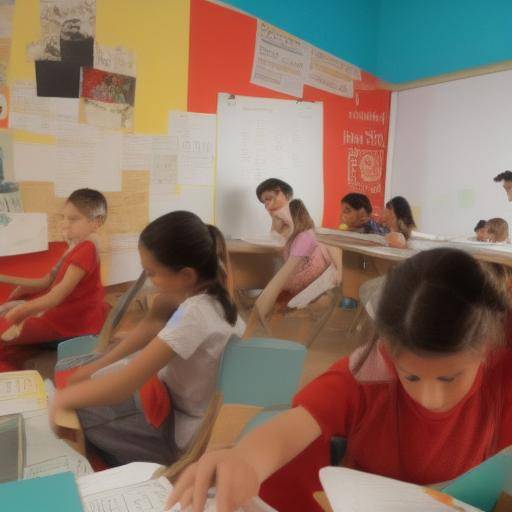
Respect in the classroom can be enhanced through activities that promote empathy, the recognition of diversity and the peaceful resolution of conflicts. It is also important for teachers to model respectful behaviors at all times.
What is the difference between respect and tolerance?
Tolerance implies accepting and allowing what we do not agree with, while respect goes beyond recognizing and assessing the intrinsic dignity of each individual, regardless of their differences.
How can respect in emotional education impact society?
Respect-based emotional education promotes the formation of citizens committed to peaceful coexistence, social justice and respect for human rights, which in turn contributes to the construction of more equitable and compassionate societies.
What are the social skills that are promoted through respect in emotional education?
Respect fosters social skills such as effective communication, empathy, constructive conflict resolution, perspective-taking, teamwork and ethical leadership.
What role do parents play in promoting respect for their children's emotional education?
Parents have the responsibility to model respectful behaviours at home, promote understanding of individual differences and foster open and respectful dialogue with their children.
What is the importance of integrating respect into emotional education from early ages?
Early integration of respect in emotional education lays the foundation for the development of healthy relationships, the promotion of self-esteem and the prevention of discriminatory behaviour, contributing to the formation of more equitable and empathic individuals.
In conclusion, the role of respect in emotional education is essential for the formation of emotionally integrated individuals capable of interacting in harmony with their environment. Their promotion and practice constitute fundamental pillars for the development of more just and empathic societies.