
Introduction
The role of respect in building healthy interpersonal relationships is fundamental for emotional well-being and harmony in society. Respect, as a human value, plays a crucial role in the formation and maintenance of sound and positive relationships. In this article, we will explore in depth how respect influences the construction of healthy relationships, their impact on different fields and how we can foster it in our daily lives.
History and Background
The concept of respect has been a cornerstone in the history of humanity. From ancient civilizations to the modern era, respect has been a pillar in the formation of stable societies. In ancient Greece, respect for the gods, for the elders and for the laws was fundamental to social order. In Eastern civilizations, respect for ancestors and family hierarchies has been an entrenched tradition.
In more recent times, the human rights movement and the struggle for equality have emphasized the importance of respect as a fundamental right of all human beings. Respect for diversity, cultural differences, gender identity and sexual orientation has become a central theme in building a more just and equitable society.
Respect has also played a crucial role in the formation of disciplines such as psychology and sociology, where its impact on interpersonal and group dynamics has been studied. The recognition of the dignity and intrinsic value of each individual has led to the promotion of respect as a guiding principle in human interaction.
Deep analysis
Respect in interpersonal relationships entails a number of benefits that are essential to emotional well-being and personal development. Mutual respect fosters trust, empathy and collaboration, creating an enabling environment for individual and collective growth. In addition, respect promotes peaceful conflict resolution, reducing the likelihood of harmful confrontations.
However, there are challenges in promoting respect in interpersonal relationships. The management of the divergence of opinions, the recognition of individuality and conflict management are aspects that demand effective communication skills and emotional sensitivity.
Currently, respect for interpersonal relations has been the subject of renewed interest, especially in the context of the digital era. The eternal evolution of digital platforms and social networks has raised new questions about how to promote respect in a virtual space where interactions tend to be less tangible.
Comprehensive review
The promotion of respect in interpersonal relationships is an area ranging from daily interactions to working and academic environments. The implementation of policies and practices that promote mutual respect is essential to creating inclusive and secure environments.
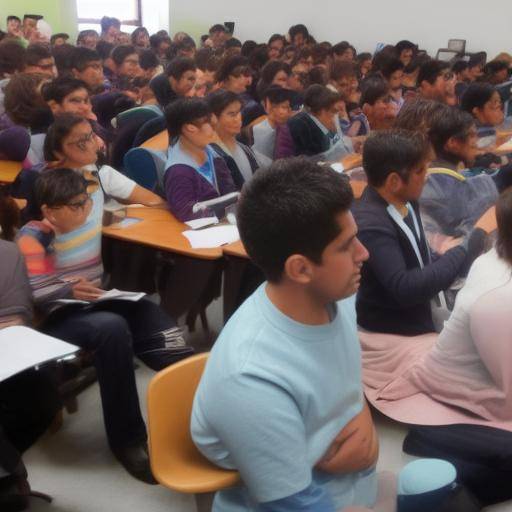
Respect in the workplace is a relevant issue in the workplace. Organizations that prioritize a culture of respect experience greater retention of talent, higher levels of commitment and a more positive working climate. In addition, respect in the educational field is fundamental for the learning and development of social skills in students.
Comparative analysis
By comparing the role of respect with the construction of interpersonal relationships, it is essential to recognize the interconnection between both concepts. Respect acts as the foundation upon which healthy relationships are built. Building interpersonal relationships benefits from an environment of respect that fosters openness, understanding and collaboration.
Practical Tips and Accessible Tips
- Practice active listening: Demonstrates genuine interest in the opinions of others, showing empathy and understanding.
- Communicate assertively: Express your thoughts and feelings in a clear and respectful way, avoiding aggression or passivity.
- It appreciates diversity: Recognizes and values cultural, gender, opinion and belief differences, promoting an environment of inclusion.
- Establish healthy boundaries: Set clear limits in your relationships, making sure your needs and rights are respected.
- It promotes peaceful conflict resolution: It seeks solutions together, prioritizing dialogue and seeking mutual understanding.
Industry Perspectives and Expert Reviews
According to María López, a social psychology specialist, " Mutual respect is essential in any interpersonal relationship. It promotes trust, strengthens ties and allows the development of lasting and satisfying relationships."
Case Studies and Real Life Applications
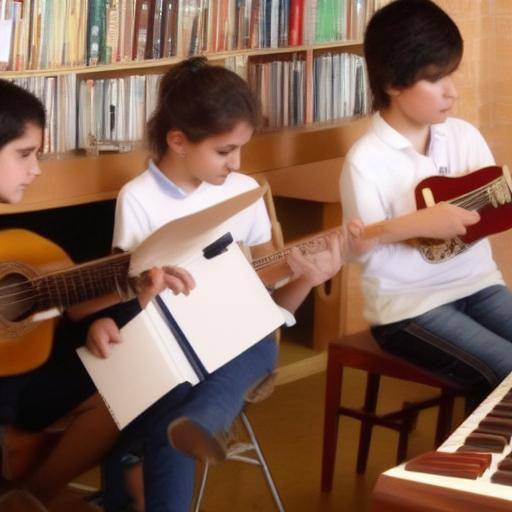
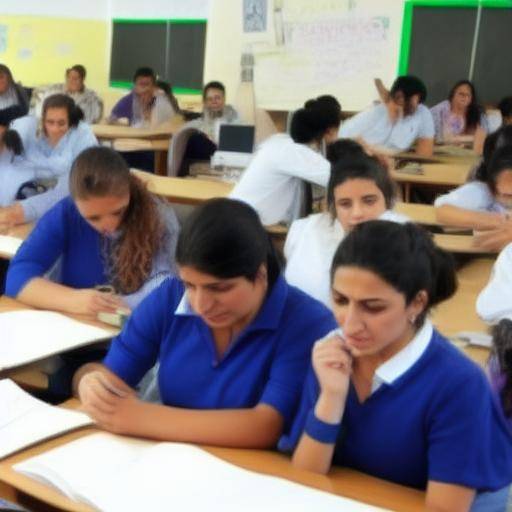
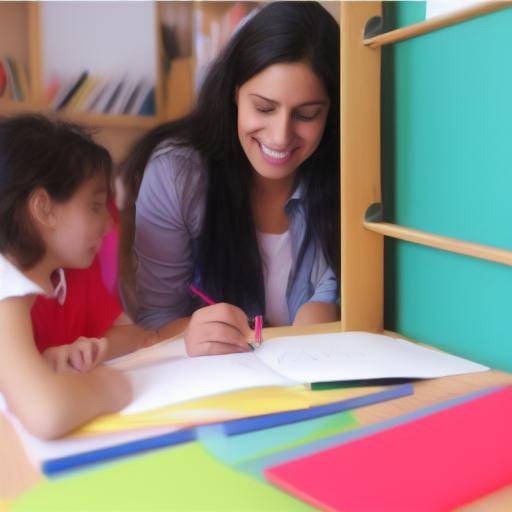
An outstanding example of the application of respect in the construction of interpersonal relationships is in the educational field. In a school that fosters a culture of respect, students feel valued and secure, resulting in improved academic performance and a lower incidence of conflict.
Future Trends and Predictions
Future trends suggest greater emphasis on promoting respect in interpersonal relationships, especially in the context of digitalization and globalization. The adoption of innovative strategies to promote respect in virtual environments and the integration of respect as a fundamental pillar in educational training are aspects that will be relevant.
Conclusion
In conclusion, respect plays a key role in building healthy interpersonal relationships. From its historical roots to its contemporary relevance, respect has been a pillar in the formation of harmonious societies. By promoting a culture of respect in our daily interactions, we contribute to emotional well-being and the development of solid and meaningful relationships.
Frequently asked questions
How can I encourage respect in my working environment?
Promoting respect in the working environment involves establishing clear rules, promoting open communication and promoting diversity and inclusion.
What is the impact of respect on social coexistence?
Respect promotes peaceful and collaborative coexistence, reducing conflicts and improving the social climate in communities and societies.
What skills are fundamental to promoting respect in interpersonal relationships?
Active listening, empathy, assertive communication and capacity to handle conflicts constructively are essential skills to foster respect in interpersonal relationships.
How can I address disrespect in a relationship?
It is crucial to address disrespect in an assertive and constructive manner, expressing your feelings and establishing clear limits.
What impact does respect have on self-esteem and self-confidence?
Mutual respect strengthens self-esteem and self-confidence, as it provides an environment of acceptance and recognition of the value of each individual.
What is the role of respect in contemporary society?
In contemporary society, respect plays a crucial role in the promotion of equality, inclusion and peaceful coexistence in a diverse and constantly changing society.
With the implementation of these strategies and the promotion of a culture of respect, we can build healthy interpersonal relationships that foster emotional well-being and social harmony.
With this article, it is intended to give an integral look on the role of respect in the construction of healthy interpersonal relationships, addressing both their historical roots and their impact on the current society. In addition, practical advice, deep analysis and expert opinions are provided to enrich understanding of this vital issue in human coexistence.