The transmission of cultural values at home is essential for the development of a person ' s identity and its understanding of cultural diversity. Cultural values not only enrich family life, but also strengthen social cohesion. In this article, we will explore practical strategies to teach cultural values at home, understanding the importance of these values, their impact on the daily life and development of children, as well as advice for their effective implementation.
Importance of Cultural Values in the Home
The transmission of cultural values at home is a powerful way of preserving the identity of a family. Values such as respect, solidarity, tolerance and cooperation are fundamental pillars that shape interpersonal relationships and coexistence in society. In an increasingly globalized world, the preservation and promotion of cultural values in the family sphere acquires even greater relevance.
The Role of the Teaching in the Formation of Cultural Values
The teaching of cultural values at home plays a crucial role in the formation of an individual's identity. Parents and guardians have the responsibility to inculcate values that promote respect for different cultures, fostering empathy and understanding. It is through teaching at home that children internalize and assimilate cultural values, configuring their own beliefs and attitudes towards cultural diversity.
Effective Strategies for Teaching Cultural Values at Home
1. Promote active participation in cultural festivals and traditions
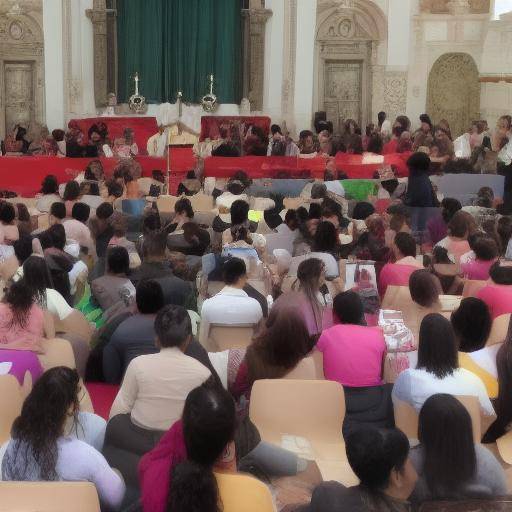
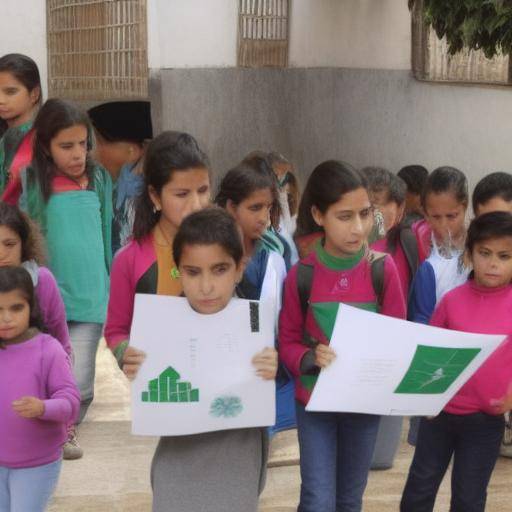
Involving children in the cultural festivities and traditions of the family allows them to experience directly the wealth of their cultural heritage. Participating in celebrations, preparing typical dishes or dressing traditional costumes are significant activities that strengthen the emotional bond with family culture.
2. Promoting Open Communication and Dialogue
Creating an open and respectful communication environment in the home is essential for transmitting cultural values. Through dialogue, issues related to cultural diversity can be addressed, fostering understanding and acceptance of differences.
3. Use Art and Literature as Educational Tools
Literature, music, visual arts and cinema are excellent means to expose children to different cultures. By sharing stories, legends, paintings and films that reflect cultural diversity, appreciation for different forms of expression and traditions is encouraged.
4. Modeling Positive Behaviors
Parents and guardians play a crucial role as models to follow in the transmission of cultural values. Demonstrate respect, empathy and tolerance in daily interactions serves as a powerful and lasting lesson for children.
5. Explore Diversity Through Cooking and Travel
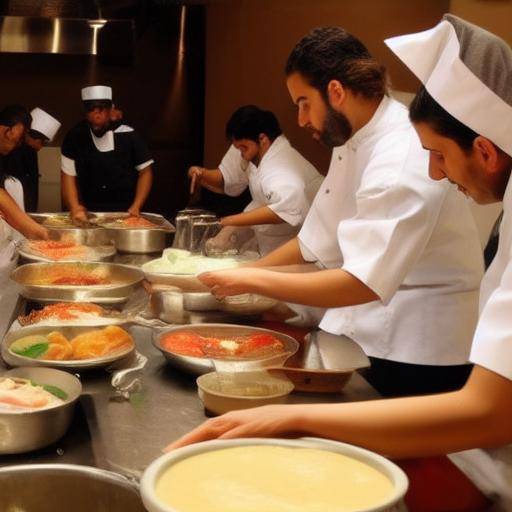
Food and travel are windows to other cultures. Cooking traditional recipes from different cultures and traveling to explore different cultural environments enriches understanding and respect for cultural diversity.
Conclusion
The teaching of cultural values at home creates a solid basis for personal growth and harmonious coexistence in a diverse society. The implementation of effective strategies to convey these cultural values not only strengthens the family core, but also contributes to a more inclusive society. By prioritizing the teaching of cultural values at home, they lay the foundation for the development of individuals who value and respect cultural diversity, thus promoting a more equitable and compassionate world.
FAQs
Why is it important to teach cultural values at home?
Teaching cultural values at home is fundamental because it helps to preserve the identity of the family, strengthens the emotional bond with family culture and promotes respect for different cultures. In addition, the teaching of cultural values provides children with a solid basis for understanding and appreciating cultural diversity in an increasingly globalized world.
What is the role of teaching in the formation of cultural values?
Teaching at home plays a crucial role in building the identity of an individual, as it is through this teaching that children internalize and assimilate cultural values, shaping their own beliefs and attitudes towards cultural diversity. Parents and guardians have the responsibility to inculcate values that promote respect for different cultures, fostering empathy and understanding.
How can I promote active participation in cultural festivities and traditions in my home?
To promote active participation in cultural festivities and traditions, it is important to involve children in planning and holding family cultural events. This may include preparing typical dishes, participating in dances or performances, dressing traditional costumes or crafts related to cultural holidays.
Why is it important to foster open communication and dialogue at home to teach cultural values?
Fostering open communication and dialogue at home is essential for transmitting cultural values, as it creates an enabling environment for addressing issues related to cultural diversity, fostering understanding and acceptance of differences. Through dialogue, children can express their concerns, ask questions and learn from the experiences and knowledge of their parents and guardians.
How can I use art and literature as educational tools to teach cultural values?
Art and literature are excellent means to expose children to different cultures. You can share stories, legends, paintings and films that reflect cultural diversity, encouraging appreciation for different forms of expression and traditions. You can also perform artistic activities related to cultural holidays or read books that address cultural diversity issues.
What is the importance of modeling positive behaviors by teaching cultural values at home?
Modeling positive behaviours is crucial in the teaching of cultural values, as parents and guardians are models to follow for children. By demonstrating respect, empathy and tolerance in daily interactions, a powerful and lasting message is sent about the importance of these values. Children learn mainly through observation and imitation, so the example of adults is fundamental in the effective transmission of cultural values.