
Media literacy, also known as media education, is a fundamental concept in contemporary society. The ability to understand, analyze and create media is crucial in a world where information is omnipresent. Knowing how to teach media literacy and what strategies to use is essential to form critical and conscious individuals in the digital age.
Introduction
In the digital era, media literacy has become a crucial issue. People are constantly exposed to a variety of media, from social media to online news and audiovisual content. The ability to critically understand and evaluate this vast amount of information is essential for informed participation in society.
In this article, we will thoroughly explore media literacy, teaching and key strategies to effectively promote it. From its historical importance to future trends and forecasts, this article will provide a complete and up-to-date view of this fundamental topic in a media-connected world.
History and background
Media literacy has its roots in the first days of the printed press and has evolved throughout human history. From the invention of the printing press to the digital revolution, the way we consume and create means has undergone radical changes.
The term "media literacy" was popularized at the end of the 20th century, as communication technologies expanded and diversified. Currently, media literacy encompasses not only the ability to read and write in a traditional sense, but also the ability to interpret, analyze and create media in various platforms and formats.
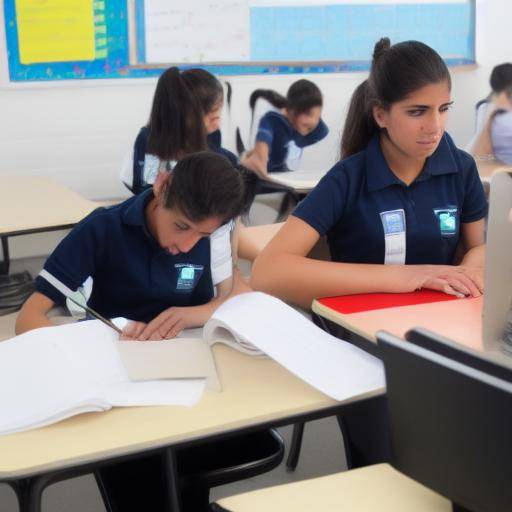
Media literacy has become a fundamental and inseparable component of contemporary education. Educators around the world recognize the importance of developing critical skills in students so that they can navigate in an informed and ethical way in a changing media landscape.
In-depth analysis
Media literacy has many benefits, such as promoting critical thinking, encouraging informed civic participation and empowering individuals to be responsible consumers. However, it also presents challenges, such as the proliferation of false information and the lack of online regulation.
In a world where misinformation and media manipulation can have significant consequences, the teaching of media literacy has become even more vital. The ability to discern veracity and intent behind media messages has become an indispensable competition in today's society.
Full review
The development of effective strategies to teach media literacy is critical to ensuring that students acquire the skills and critical thinking needed to navigate the current media environment. The integration of media literacy into the curriculum, the promotion of a culture of questioning and analysis, and the incorporation of technological tools are just some of the key strategies in the teaching of media literacy.
Some best practices involve interdisciplinary collaboration between teachers, the integration of current and relevant case studies, and the promotion of open and reflective dialogue. These strategies can help students develop a critical sense of media awareness, enabling them to make informed decisions in a complex media world.
Comparative analysis
Media literacy, education and strategies are closely interrelated. The focus on media literacy in the educational context is essential to equip students with the skills necessary to understand, evaluate and create means effectively.
Strategies used to teach media literacy may vary according to the educational environment, available resources and specific needs of students. It is essential to select strategies that encourage active participation, critical thinking and the practising application of media skills in real life, thus ensuring a deep and applicable understanding of the concepts taught.
Practical advice and useful recommendations
In considering the teaching of media literacy, it is crucial to incorporate real examples and cases to contextualize abstract concepts. In addition, encouraging students to participate actively in media creation can strengthen their understanding and appreciation of the importance of media literacy in their daily lives.
Some practical strategies include the use of interactive exercises, the implementation of creative media projects and the promotion of reflective discussions on relevant media issues. These tactics can foster the commitment and understanding of students, enabling them to apply the skills acquired in various contexts and situations.
Industry perceptions and expert opinions
Education and media experts recognize the crucial importance of media literacy in the digital era. From academics to media professionals, there is a general consensus on the need to promote critical skills among individuals to navigate in an informed and ethical way in the current media landscape.
Experts emphasize the importance of fostering a deep understanding of media literacy from an early age, effectively integrating it into school curricula and providing continuous training to educators. Collaboration between the media industry and the education sector is also considered essential to ensuring the relevance and applicability of media literacy in practice.
Case studies and applications in real life
Case studies that demonstrate the practical application of media literacy provide a valuable insight into their impact in different contexts. From successful educational initiatives to media awareness campaigns, real cases illustrate how media literacy can empower people and communities to actively understand and participate in the media field.
Analyzing the results and lessons learned from these case studies provides procedural information on the effectiveness of various media literacy strategies and their implications in the real world. These concrete examples can inspire and guide educators, policymakers and media professionals in their efforts to promote media literacy effectively.
Future trends and predictions
The media landscape continues to evolve, which requires a dynamic and adaptable approach to media literacy and its teaching. As technology and media platforms continue to be transformed, it is essential to anticipate and prepare for future trends in media literacy.
The development of innovative strategies, the focus on critical media literacy and the integration of technological tools are expected to advance further in the future. In addition, strengthening collaboration between the media industry, the education sector and political leaders can shape a holistic and sustainable approach to media literacy in the years ahead.
Conclusion
Media literacy is fundamental in an increasingly influential world. The teaching of media literacy and the development of effective strategies are crucial to empower future generations with the skills necessary to understand, analyse and create means critically and reflexively.
By providing a deep understanding of history, benefits, challenges, effective strategies, perceptions of industry and future trends related to media literacy, this article seeks to foster meaningful dialogue and the practical implementation of these vital skills in education and society at large.
Frequently asked questions
Why is it important to teach media literacy in the digital age?
Media literacy is crucial in the digital era due to the omnipresence of the media and its significant impact on how we interact with the information and relate to the world around us. In teaching media literacy, people are trained to understand, analyze and critically evaluate media, promoting informed and ethical participation in contemporary society.
What are the main challenges in teaching media literacy?
Some challenges in the teaching of media literacy include the constant evolution of media platforms, the proliferation of disinformation, the need to constantly update study plans to reflect changes in media and adaptation to different student skills and experiences.
How can educators effectively integrate media literacy into the classroom?
Educators can effectively integrate media literacy by incorporating examples of current and relevant media in the curriculum, fostering critical thinking through reflexive discussions, teaching ethical and media accountability, providing opportunities for media creation by students and developing the ability to analyze veracity and intent behind media messages.
What is the role of media literacy in informed civic participation?
Media literacy plays a key role in informed civic participation by empowering people to understand the complexities of social problems presented in the media, discerning the veracity of transmitted information and critically assessing media narratives that influence public opinion and political decisions.
What impact does media literacy have on the gender perspective and diversity in the media?
Media literacy can contribute significantly to understanding and promoting diversity and equitable media representation. By teaching critical skills in the interpretation of gender representation, cultures and sub-represented groups in the media, greater awareness and sensitivity to media diversity can be encouraged.
What are the emerging trends in the teaching of media literacy?
Emerging trends in media literacy education include an approach to critical media literacy, the integration of emerging technologies in media education, interdisciplinary collaboration among teachers to promote media literacy in all areas, and an emphasis on understanding ethics and privacy in the media environment.
In short, the teaching of media literacy and the implementation of effective strategies for its promotion are essential in today's society, where the media exert significant influence. By equipping people with skills to understand, analyze and create media critically, it contributes to the development of informed, reflective and ethical individuals in the evolving media landscape.