
Introduction
Differentiation in teaching is a fundamental concept that seeks to adapt educational processes to the diversity of students, recognizing that each individual has different needs, skills, and learning styles. In this article, we will explore in detail what differentiation is, how it can be effectively implemented in the educational context, and why it is key to promoting inclusive and equitable learning.
History and Background
The differentiation in teaching has its roots in the educational philosophy that recognizes the uniqueness of each student. Throughout history, different pedagogical currents have advocated the customization of learning and the adaptation of educational strategies to individual needs. From the theories of inclusive education of the 1970s to the current trends of personalized education, differentiation has evolved as a pedagogical approach focused on the student.
The practical implementation of differentiation has experienced important milestones, such as the integration of information and communication technologies into the classroom, the development of inclusive educational programmes, and the creation of student-centred methodologies. These developments have helped to expand and consolidate the concept of differentiation as a fundamental pillar of modern teaching.
Detailed Analysis
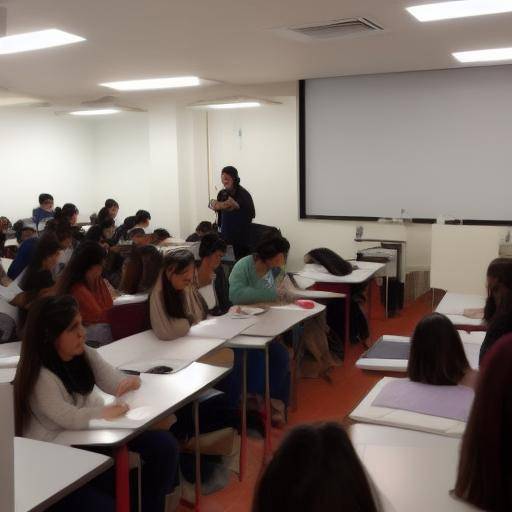
The differentiation in teaching brings many benefits to the educational process, allowing the adaptation of teaching strategies to meet the different learning needs and styles of students. However, its implementation also poses significant challenges, such as the management of diversity in the classroom or the individualized evaluation of progress. The differentiated approach allows students to deepen their individual interests, develop specific skills, and actively participate in their own learning process.
Comprehensive review
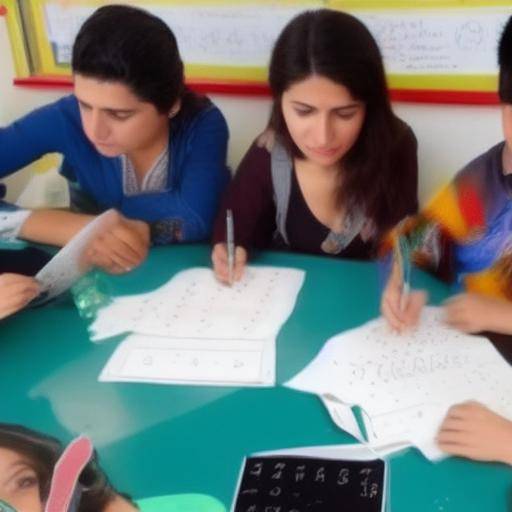
The differentiation in education is carried out in various forms, from the adaptation of educational resources to the planning of individualized activities. The combination of strategies such as flexible grouping, the provision of varied materials, and the modification of tasks and assessments, allows educators to offer an inclusive and stimulating learning environment.
Comparative analysis
Differentiation, teaching, and the effective use of pedagogical strategies are closely linked in the search for educational excellence. Differentiation implies a comprehensive transformation of teaching practice, which directly impacts on the effectiveness and equity of teaching. By developing differentiated skills, educators enrich their skills to identify, understand, and meet the particular needs of each student.
Practical Tips and Accessible Advice
Differentiation requires an active commitment on the part of teachers, as well as a constant reflection on the most effective pedagogical strategies to promote the integral development of students. Some useful tips for the implementation of differentiation include the establishment of clear and challenging goals for all students, the creation of a learning environment in which individual differences are valued and respected, and the use of training feedback as a tool for continuous improvement.
Industry Comments and Expert Reviews
The impact of differentiation on teaching is reflected in the experience and knowledge of education experts. Their opinions and analyses provide valuable insights on how differentiation can enhance student learning. Disruptive innovations in the educational field, combined with the constant evolution of pedagogical theories, constitute an inexhaustible source of knowledge and reflection for professionals in the sector.
Case Studies and Real Life Applications
Case studies offer concrete examples of how differentiation in teaching is effectively implemented in real educational environments, demonstrating its impact on students' academic and emotional development. These practical experiences illustrate how differentiation adapts to diverse contexts and contributes to the creation of inclusive and enriching educational communities.
Future Trends and Predictions
The future of differentiation in education is projected towards greater integration with educational technologies, the consolidation of educational approaches focused on the student, and the strengthening of collaboration among different educational actors. The personalization of learning, supported by differentiation, predicts a significant transformation in traditional educational models, offering opportunities for the integral development of students in a constantly changing world.
Conclusion
Difference in teaching is a fundamental pillar for promoting equitable, inclusive and meaningful learning. Recognizing diversity as an asset in the educational process, the effective implementation of differentiation allows to enhance the integral development of students, offering opportunities to achieve their full potential. Its positive impact is reflected in the creation of stimulating educational environments, in which each student feels valued and motivated to learn.
Frequently asked questions
1. What is the main objective of differentiation in teaching?
The differentiation in education seeks to adapt educational strategies to meet the diverse needs, learning styles, and paces of progress of students, fostering inclusive and equitable learning.
2. How can an educator implement differentiation in a different classroom?
Educators can implement differentiation using strategies such as flexible grouping, the provision of varied materials, and the modification of tasks and assessments to meet the individual needs of their students.
3. What are the most common challenges in implementing differentiation in teaching?
Some of the common challenges in implementing differentiation include the management of diversity in the classroom, the individualized assessment of progress, and the adaptation of educational resources to meet the specific needs of each student.
4. What is the role of technology in differentiation in teaching?
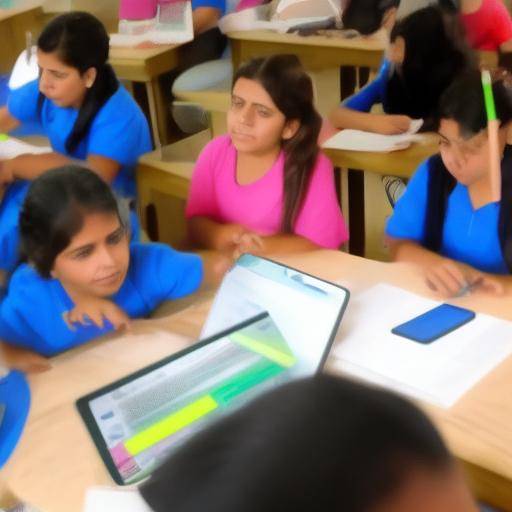
Technology plays a key role in facilitating differentiation in teaching, allowing the adaptation of educational resources, the personalization of learning, and the creation of inclusive virtual environments.
5. What are the advantages of differentiation in teaching for students?
The differentiation in teaching offers advantages such as the development of personalized skills, the active participation of students in their own learning process, and the valuation of diversity as an asset in the classroom.
6. What impact does differentiation have on the formation of future educators?
The differentiation in teaching has a significant impact on the formation of future educators, promoting reflection on the pedagogical strategies focused on the student and the assessment of diversity as a basis for the integral development of students.
Conclusion
In short, differentiation in education represents a crucial opportunity to promote inclusive, equitable, and meaningful learning. Its effective implementation requires a constant commitment to the individual needs of students, the development of personalized educational strategies, and the valuation of diversity as an asset in the educational process. By strengthening the differentiated approach in education, it contributes to the creation of enriching educational communities, where each student has the opportunity to achieve its maximum potential.