Introduction
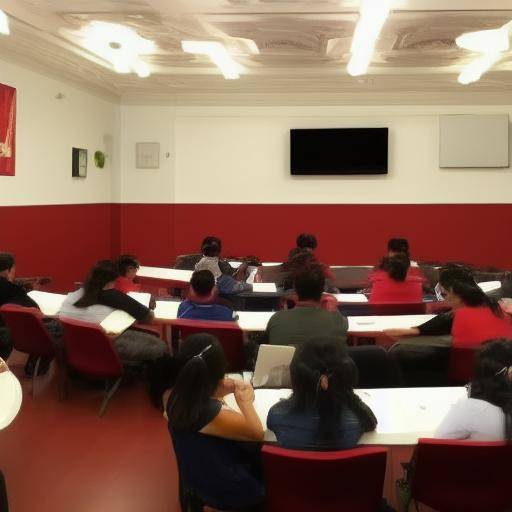
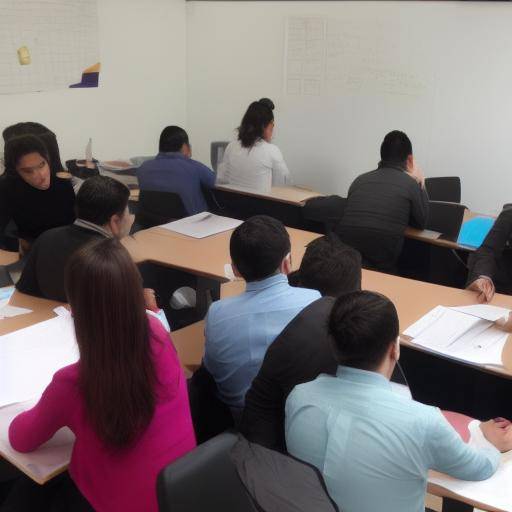
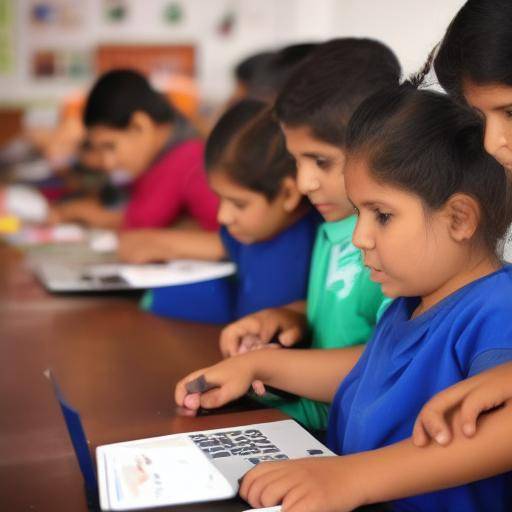
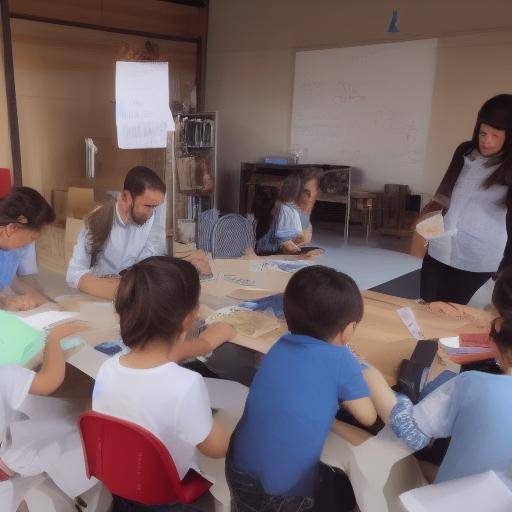
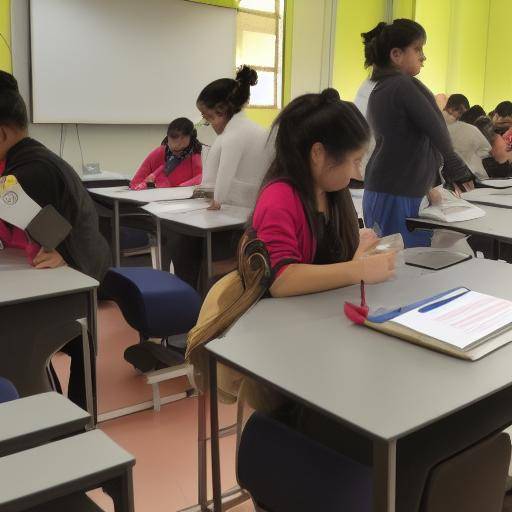
Technological advance has revolutionized the way we teach and learn. The integration of technology into the classroom has not only changed the way in which educators impart knowledge, but has also transformed the dynamics of collaboration between students. In this article, we will explore how technology can be used effectively to foster classroom collaboration, providing a comprehensive view of the benefits, challenges, practical applications and future trends.
History and Background
The integration of technology in the educational environment is not a recent phenomenon. From the introduction of electronic boards in classrooms to the current use of online learning platforms, the history of technology in education is a constant evolution. Over time, technology has been gaining a significant influence on developing collaborative skills among students, fostering interaction and sharing of ideas in the classroom. Some of the key dates in this development include the introduction of first computers in education, the emergence of learning management systems and the widespread adoption of mobile devices in educational settings.
Deep analysis
The introduction of technology in the classroom has demonstrated a number of benefits that promote collaboration among students. Recent studies have shown that the use of digital tools in the educational environment promotes the development of soft skills, such as teamwork, effective communication and critical thinking. However, there are also challenges related to the implementation of classroom technology, such as the digital divide and the need for teacher training. Despite these challenges, technology offers countless opportunities to improve student collaboration and foster more interactive and participatory learning.
Comprehensive review
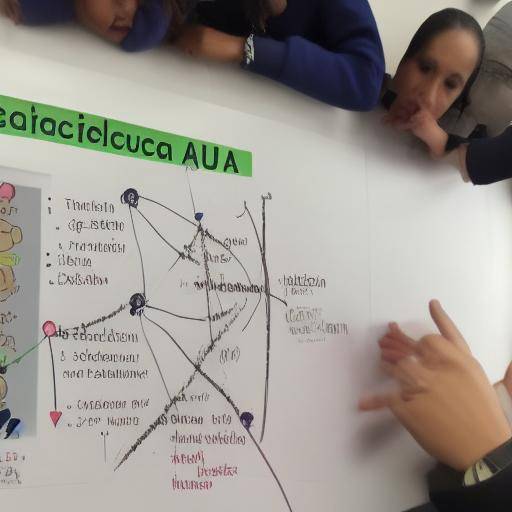
The effective use of technology to promote classroom collaboration requires identification of best practices and analysis of different approaches. The integration of online collaboration platforms, the use of interactive applications and the implementation of content creation tools are just some of the strategies that educators can use to promote collaboration among students. It is also essential to constantly assess the impact of these tools on the learning and interaction of students, in order to continuously adjust and improve the educational experience.
Comparative analysis
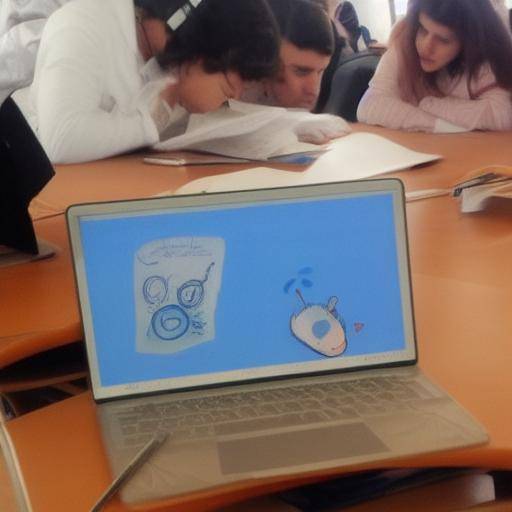
Technology, collaboration and classrooms are intrinsically linked concepts in the educational context. The collaboration provided by technology not only allows students to work together on projects and tasks, but also fosters a culture of collaborative learning that transcends the physical boundaries of the classroom. The ability to share resources, interact in real time and collaborate on remote projects are just some of the advantages that technology offers to enrich the collaborative learning experience in the classroom.
Practical Tips and Accessible Tips
To maximize the potential of technology in promoting classroom collaboration, educators can implement a number of practical strategies. Some of these strategies include the design of collaborative activities focused on problem solving, the use of collective project creation platforms, and the integration of online feedback tools to promote the active participation of students. In addition, providing guidance on the ethical and responsible use of technology is essential to ensuring a safe and constructive learning environment.
Industry Perspectives and Expert Reviews
Education experts point out that the collaboration provided by technology not only prepares students for work in modern working environments, but also fosters the acquisition of life-saving skills. They also emphasize the importance of promoting a balanced approach to the use of technology, combining digital interaction with practical and personal educational experiences. Collaboration in the classroom, driven by technology, not only enriches students' learning, but also provides them with opportunities to develop communication, leadership and teamwork skills that are fundamental to their future success.
Case Studies and Real Life Applications
The positive impact of the integration of technology to foster collaboration in the classroom is evident through numerous case studies and applications in real life. From classroom projects that use videoconferencing tools to connect students from different regions, to the development of virtual teamwork environments, technology has proven to be a powerful enabler for collaborative learning. These practical cases demonstrate how technology not only improves student interaction, but also enriches their learning experiences significantly.
Future Trends and Predictions
The future of technology-driven classroom collaboration promises greater innovation and expansion. It is anticipated that the use of increased and virtual reality tools, the integration of artificial intelligence to customize the collaborative learning experience, and the development of social learning platforms will continue to transform the way students collaborate and learn. These future trends present exciting opportunities to improve classroom collaboration, as well as challenges that will require careful reflection and adaptation by educators and students.
Conclusion
The integration of technology to foster collaboration in the classroom represents a transformative change in education. By promoting interaction, exchange of ideas and teamwork, technology not only enriches educational experience, but also prepares students for a future driven by innovation and collaboration. With a balanced and strategic approach to the use of technology, educators can leverage their potential to promote more participatory, collaborative and meaningful classroom learning.
Frequently asked questions
What are the main advantages of using technology to promote classroom collaboration?
The use of classroom technology facilitates student collaboration by enabling them to work on joint projects, efficiently share resources and participate in interactive learning experiences.
How can technology help overcome the challenges of collaboration in educational settings?
The technology offers tools to overcome time and space barriers, allowing collaboration even in distance learning environments. It also provides opportunities for immediate feedback and effective communication.
What measures can educators take to ensure effective and safe use of technology in promoting classroom collaboration?
Educators should provide guidance on the ethical and responsible use of technology, establish clear guidelines for their use in collaborative activities, and foster a safe and constructive learning environment.
What are future trends in integrating technology for classroom collaboration?
Future trends are expected to include the use of increased and virtual reality tools, the integration of artificial intelligence, and the development of social learning platforms to enrich classroom collaboration.
What is the impact of the collaboration provided by technology in the development of communication skills and teamwork?
The collaboration provided by technology not only enriches students' communication and teamwork skills, but also prepares them for modern working environments where collaboration and effective communication are essential.
How can educators evaluate the impact of technology on classroom collaboration?
Educators can use online feedback and evaluation tools to collect data on student participation and performance, conduct surveys and interviews, and observe collaborative dynamics in learning situations to assess the impact of technology on classroom collaboration.
Concluding, technology has the potential to transform collaboration into the classroom, providing opportunities for more interactive, participatory and meaningful learning. By effectively harnessing digital tools, educators can cultivate an environment where collaboration flourishes, preparing students for a future where innovation and collaboration are fundamental. The strategic and balanced use of technology in the classroom not only enriches the educational experience, but also provides essential skills for the personal and professional development of students.
This article has explored the integration of technology to promote classroom collaboration, providing a deep insight into its benefits, challenges, practical applications, future trends, and advice for its effective use. By raising awareness of these practices, educators can enrich the educational experience and prepare students to succeed in a world driven by collaboration and innovation.
With the rapid advance of technology, the role of educators is crucial to guiding students towards a responsible and meaningful use of digital tools, promoting a culture of collaborative learning that transcends classroom barriers and prepares students to be competent citizens and professionals in an increasingly interconnected and technological world.