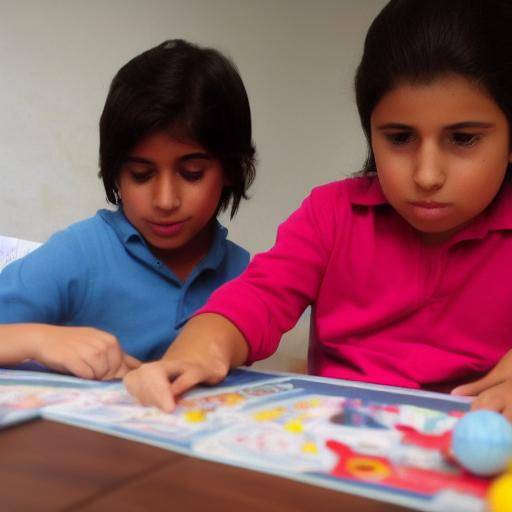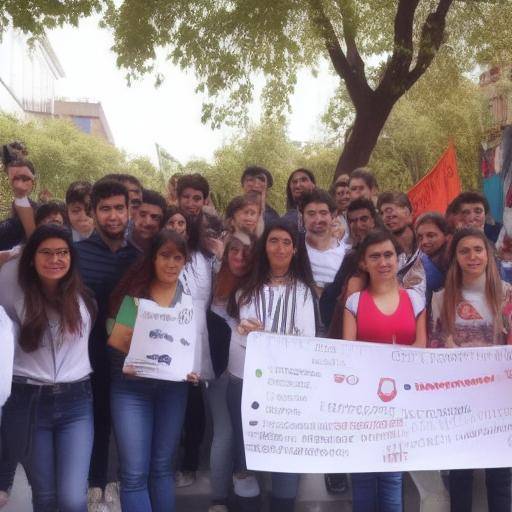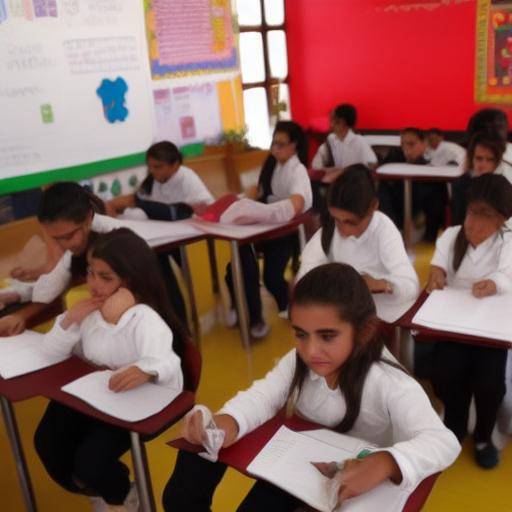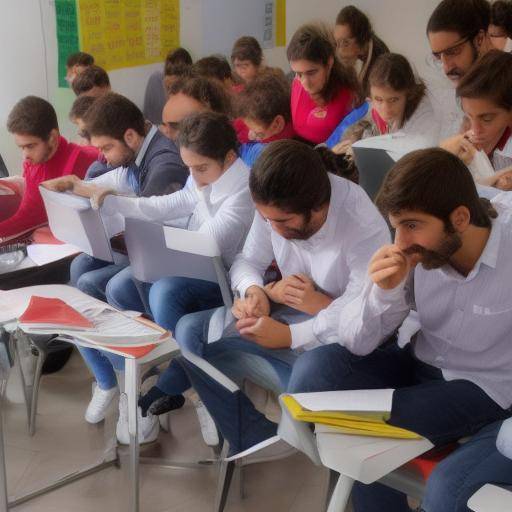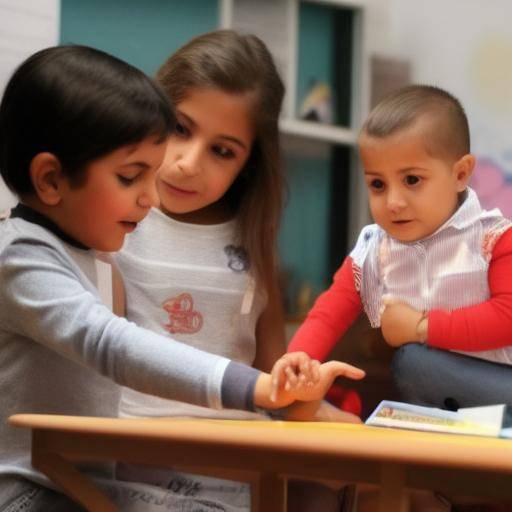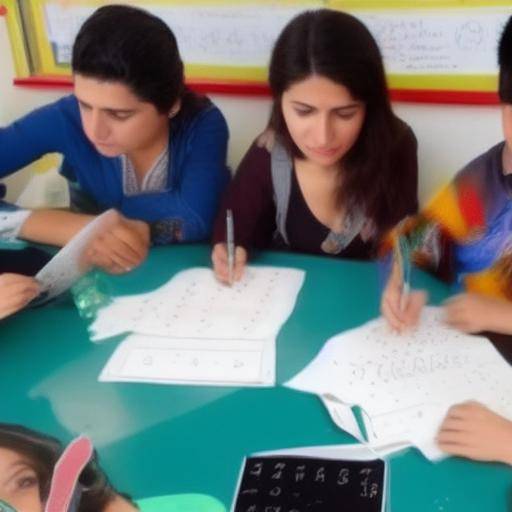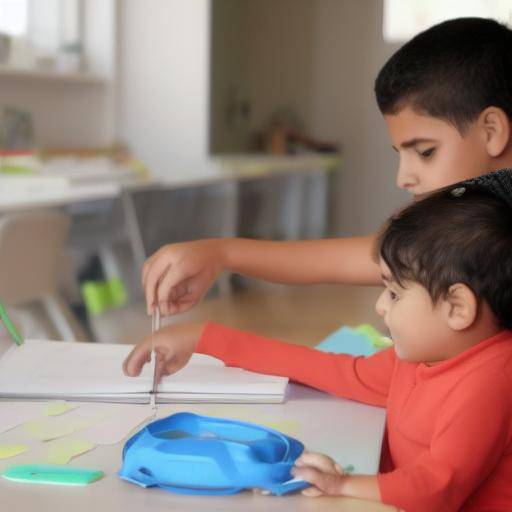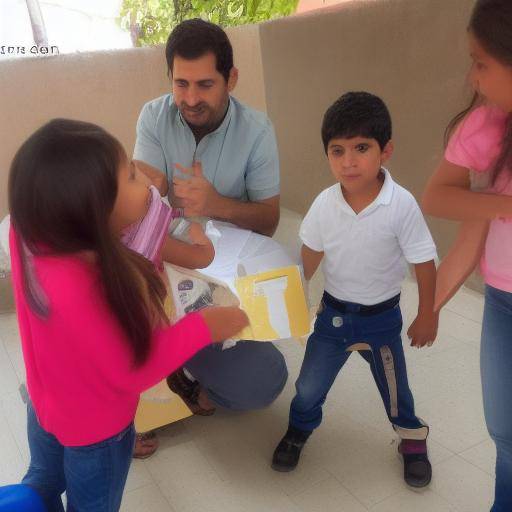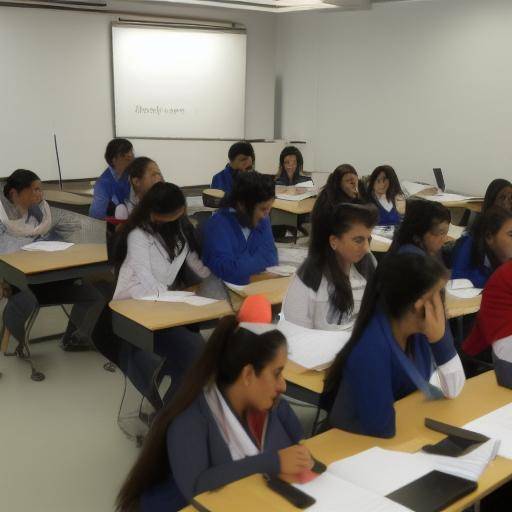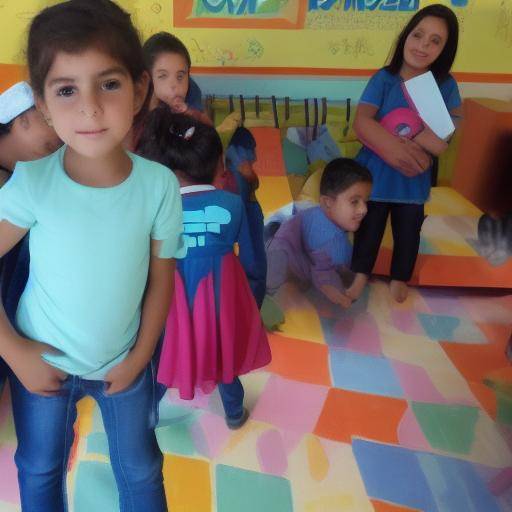

The teaching of collaboration through group projects is crucial in the development of social and professional skills. Working as a team, effectively communicating, and coordinating efforts are increasingly valued competencies in the working environment. In this article, we will explore effective strategies to teach collaboration through group projects. From its historical context to future trends, you will get a holistic view on how to foster collaboration in learning and work environments. Go ahead, discover how to enhance collaboration through group projects and prepare future generations for success.
History and Background
Collaboration through group projects has its roots in the evolution of education and the growing demand for interpersonal skills in the working world. Since the emergence of early societies, collaboration has been a fundamental pillar in the survival and progress of civilizations.
In the educational field, pedagogue John Dewey promoted the theory of cooperative learning in the early twentieth century, establishing the basis for the integration of collaboration in the school environment. Over the decades, the practice of group projects has evolved, adapting to the contemporary demands and demands of the labour market.
Detailed Analysis
The benefits of teaching collaboration through group projects are abundant. It not only promotes the development of soft skills, but also fosters creativity, problem solving and innovation. These competencies are highly valued in both the educational and professional fields.
However, we face significant challenges in implementing group projects. Team management, equitable distribution of tasks and conflict resolution are key areas that require attention. In addition, current trends in remote and mixed labour environments require adaptations in the teaching of collaboration through group projects.
Comprehensive review
Effective implementation of group projects requires a deep understanding of best practices and approaches. We will explore recognized methodologies, examples of successful implementation and recommendations supported by experts. At the same time, we will consider the evolving perspectives on the effectiveness of this form of collaborative teaching.
Comparative analysis
By comparing the teaching of collaboration with other pedagogical approaches, such as individualized learning, the question arises about the specific advantages of group projects. We will address this comparison from various angles, highlighting both similarities and significant differences in terms of results and benefits for students and professionals.
Practical Tips and Accessible Recommendations
How can you incorporate the effective teaching of collaboration through group projects into your teaching methods? Here, we will present evidence-backed practical advice, along with actionable strategies for the successful implementation of group projects. From planning to evaluation, you will find specific guidelines to enhance collaboration in educational and work environments.
Industry Visions and Expert Reviews
We will have the experience and perceptions of leaders in the field of education and business. Through interviews and analysis, we will explore the future implications of teaching collaboration through group projects. In addition, we will examine emerging trends and new demands to prepare highly collaborative and adaptable individuals.
Case Studies and Real Life Applications
To consolidate the concepts discussed, we will present detailed study cases that demonstrate the effectiveness of the teaching of collaboration through group projects in different contexts. In analyzing results, lessons learned and practical applications, we will get a clearer view of the successful integration of collaboration in learning and work.
Future Trends and Predictions
The constant evolution of education and the working world poses unprecedented challenges and opportunities in the teaching of collaboration through group projects. We will explore emerging trends and predictions for the future, providing insightful insight into the direction that will take this form of collaborative teaching.
Conclusions
The teaching of collaboration through group projects plays a key role in the preparation of individuals for modern challenges. By fostering interpersonal, cognitive and emotional skills through collaboration, educators and business leaders contribute directly to the development of an adaptable and empowered workforce.
Frequently asked questions
Why is it important to teach collaboration through group projects?
Effective collaboration is essential in working and educational settings. In teaching collaboration through group projects, essential skills are inculcated for teamwork, communication and problem solving, preparing individuals to face collaborative challenges in the real world.
What are the benefits of group projects in learning?
Group projects foster collaboration, creativity, critical thinking and effective communication. In addition, they promote the development of leadership skills and the appreciation of diversity of perspectives, which enriches the learning experience.
What challenges can arise when implementing group projects?
Equitable distribution of tasks, effective management of teams and conflict resolution are common challenges in the implementation of group projects. In addition, adaptation to remote or hybrid labour environments poses new difficulties in the teaching of collaboration through group projects.
How do we evaluate the success of teaching collaboration through group projects?
Success can be assessed by observing the performance and interaction of the group, the quality of the results obtained, as well as feedback from the participants. In addition, it is crucial to consider the applicability of skills acquired in real contexts.
How can educators foster equal participation in group projects?
The equitable distribution of roles and responsibilities, the establishment of clear expectations, and the promotion of equal voice and participation are effective strategies to promote equitable participation in group projects.
What is the impact of the teaching of collaboration through group projects in the preparation of work?
The teaching of collaboration through group projects prepares individuals for the working environment by developing skills essential to teamwork and problem solving. This contributes directly to the formation of a more collaborative, adaptable and effective workforce.
In short, the teaching of collaboration through group projects is a fundamental tool for the development of indispensable skills in the current world. By nurturing collaborative capacity, educators and business leaders contribute significantly to the future success of individuals and organizations.
With the information provided in this article, you are equipped to understand, implement and foster collaboration through group projects effectively. Now, it is time to put these knowledge into practice and facilitate an environment of learning and collaborative work for the growth and success of all.
Remember, effective collaboration is the basis for significant achievements. Go ahead and start sowing the seeds of collaboration to reap fruit of success in the future!