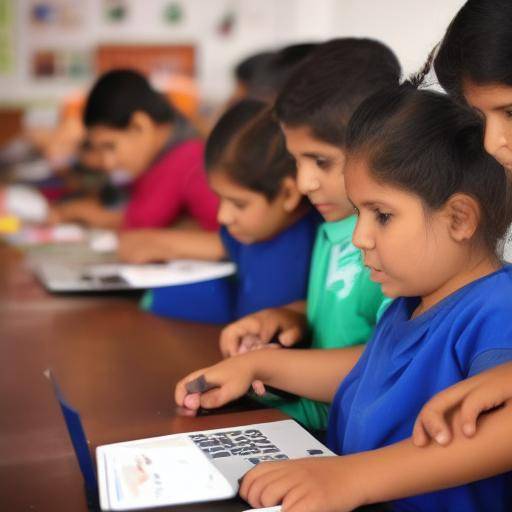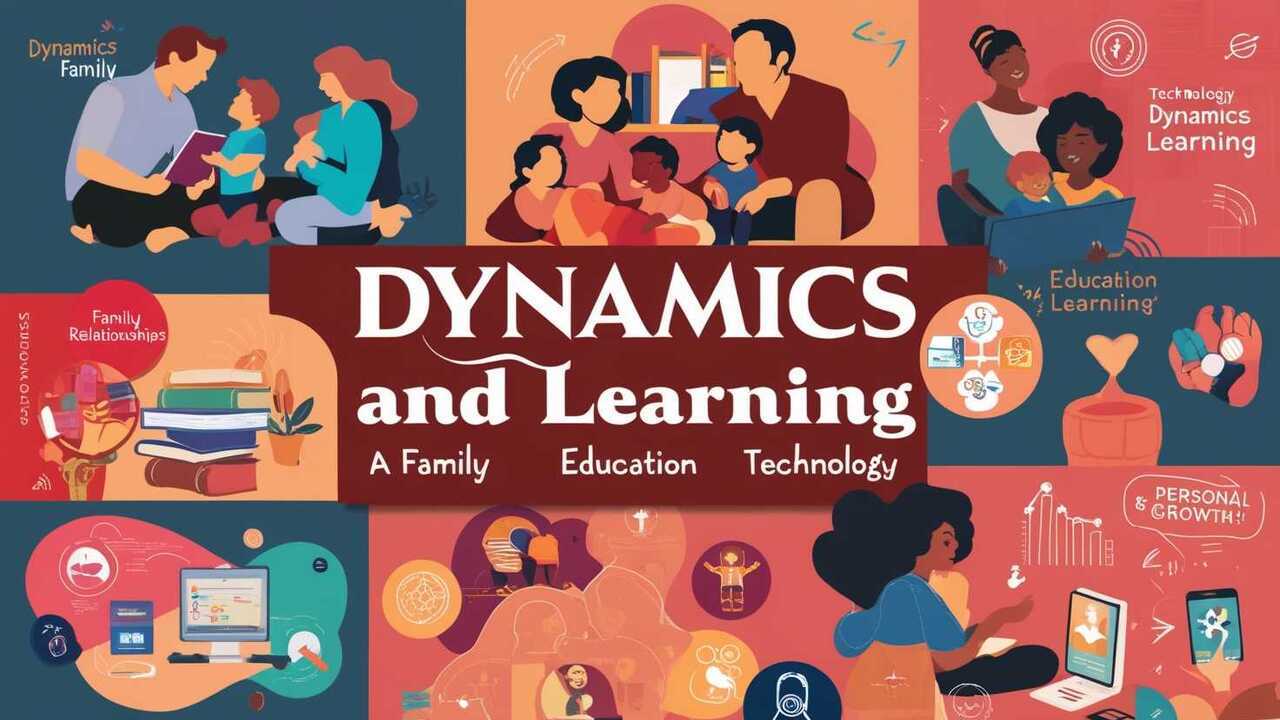

Cultural education is a fundamental pillar for human development and the preservation of cultural diversity. In the digital era, the strategies to carry out this education have evolved thanks to technology, which has allowed it to expand its reach and maximize its impact. In this article, we will explore in depth the strategies for cultural education through technology, analyzing its history, advantages, challenges, practical applications, future trends, and more.
Introduction
The dynamism of contemporary society demands cultural education that transcends physical barriers and is accessible to all. Technology is manifested as a powerful catalyst in this regard, allowing the creation of enriching educational experiences and the preservation of cultural heritages. In this article, we will explore the key strategies that make this synergy possible between cultural education and technology, unraveling its impact and challenges in modern society.
History and Background
Cultural education has been a crucial pillar throughout the history of humanity. From ancient civilizations to the contemporary era, the transmission of cultural knowledge and values has played a fundamental role in the formation of societies. The arrival of technology has added a new perspective to this process, transforming the way cultures are transmitted and preserved.
By exploring the history of cultural education through technology, we find that its evolution has been marked by significant milestones. From the invention of the printing press, which allowed the mass dissemination of cultural texts, until the arrival of the Internet, which opened the doors to an interconnected digital world, technology has profoundly impacted the way people access and share their cultural heritages.
Analysis in Deep
As we enter into a detailed analysis of this synergy between cultural education and technology, it is crucial to examine both its benefits and its challenges. On the one hand, technology has democratized access to cultural education, allowing individuals from all latitudes to explore different cultural manifestations and enrich their understanding of the world. However, challenges arise related to the preservation of the authenticity of cultural expressions in a digital environment where information can be easily modified or distorted.
It is also essential to analyse current trends in integrating cultural education and technology. From interactive applications that bring users closer to immersive cultural experiences to online education platforms that offer specialized courses in different cultural manifestations, technological innovation continues to redefine how people relate to their cultural heritage.
Comparative analysis
The intersection between cultural education, strategies and technology allows us to identify common aspects, differences and synergies that enrich the process of learning and cultural preservation. While cultural education focuses on transmitting knowledge and values, strategies define the road map to achieve such transmission, and technology provides the tools and channels to materialize it. Understanding these interrelations is crucial in designing effective strategies that maximize the opportunities of technology in the field of cultural education.
Practical Tips and Recommendations
Here are practical advices and recommendations to nurture the synergy between cultural education and technology:
- Use online learning platforms that integrate the cultural component into your courses.
- Explode the possibilities of increased reality and virtual reality to offer immersive experiences.
- Promote the co-creation of content by the community, involving users in the preservation and dissemination of their own cultural expressions.
Perception of Industry and Expert Reviews
The perspective of experts in the field of cultural education and technology is essential to understanding in depth the challenges and opportunities facing this synergy. According to Dr. García, a researcher in cultural heritage and educational technology, "The integration of technology in cultural education has allowed us to transcend geographical and temporal limitations, reaching audiences that would otherwise be inaccessible."
Case Studies and Practical Applications
It is enlightening to explore real cases in which technology has enhanced cultural education, offering valuable lessons for the design of effective strategies. An outstanding example is the project to digitize historical archives in collaboration with indigenous communities, which has allowed the preservation and dissemination of their cultural legacy through accessible online platforms for the world.
Future Trends and Predictions
The future of cultural education through technology promises to continue to evolve into more immersive and interactive experiences, taking advantage of advances such as artificial intelligence and augmented reality to provide a deeper understanding of different cultural manifestations. An increasing approach is envisaged in the active participation of communities in the preservation of their cultural heritage, using technology as an empowerment and diffusion tool.
Conclusion
In this article, we have explored the key strategies for cultural education through technology, unraveling its impact, challenges and opportunities. The synergy between cultural education and technology represents a fertile field for innovation and enrichment of human experience. By understanding the complexities and potentialities of this synergy, we can design strategies and actions that strengthen the cultural fabric of our societies, preserving and enriching the diversity that defines us as human beings.
Frequently asked questions
1. What is the role of technology in the preservation of cultural heritage?
Technology plays a key role in enabling the digitalization and accessibility of cultural archives and works, as well as in providing tools for global dissemination and cultural education. In addition, technology contributes to the creation of immersive and participatory experiences that enrich the understanding of cultural heritage.
2. How can educational institutions incorporate technology into the teaching of cultural education?
Educational institutions can incorporate technology through the implementation of online learning platforms, the use of interactive digital resources and the integration of increased or virtual reality tools that enrich the educational experience.
3. What are the main challenges of cultural education through technology?
Key challenges include the preservation of cultural authenticity in digital environments, equitable accessibility to cultural resources, and responsible management of information to avoid misrepresentations or misappropriations.
4. What are the benefits of integrating technology into cultural education?
The integration of technology in cultural education extends the scope of cultural experiences, promotes the active participation of the community in the preservation of its heritage, and enriches intercultural understanding through immersive and collaborative experiences.
5. What role do social networks play in disseminating cultural education?
Social networks play a relevant role in facilitating the dissemination of cultural content, promoting intercultural dialogue and giving visibility to diverse cultural expressions, allowing communities to connect and exchange experiences and ideas in a globalized digital context.
6. How can cultural education strategies through technology contribute to the preservation of minority languages and cultural traditions in danger of extinction?
The implementation of cultural education strategies through technology can play a crucial role in the preservation of minority languages and endangered cultural traditions by providing platforms for the documentation, dissemination and revitalization of these cultural resources, as well as by fostering the participation of communities in the preservation of their linguistic and cultural heritage.
Conclusion
In conclusion, cultural education through technology not only represents an opportunity to enrich the understanding and appreciation of cultural diversity, but also constitutes an effective means of preserving and disseminating the cultural heritage of mankind. By taking advantage of innovative strategies and emerging technologies, we can trace a path to a future in which cultural education is accessible, participatory and enriching for all people, contributing to the construction of more just, inclusive and culturally diverse societies.