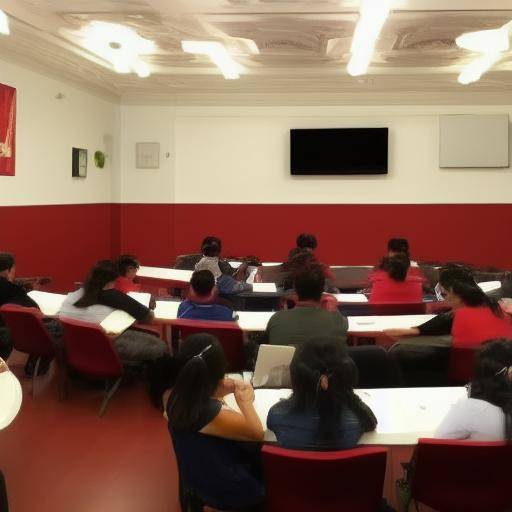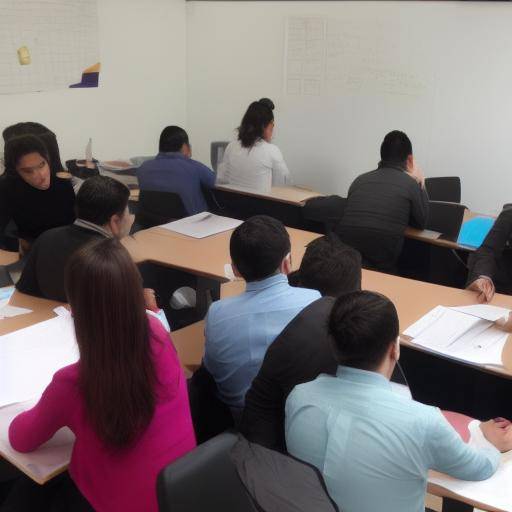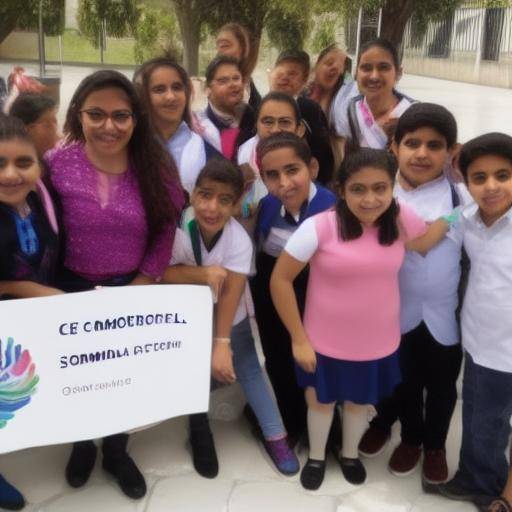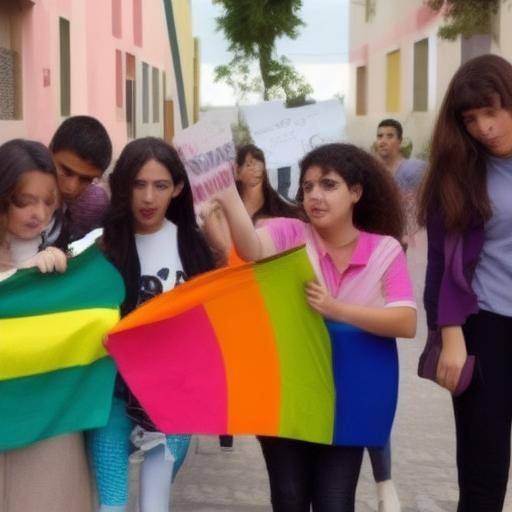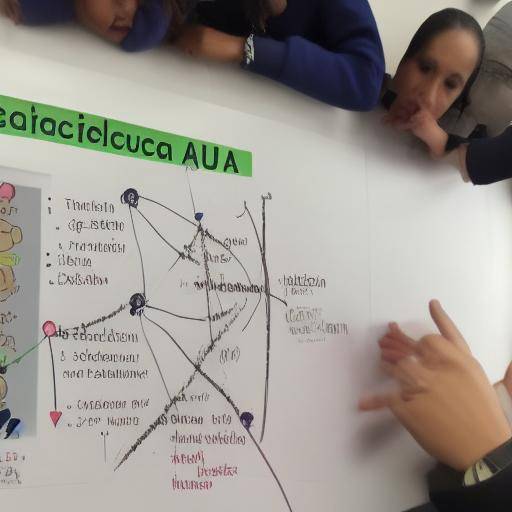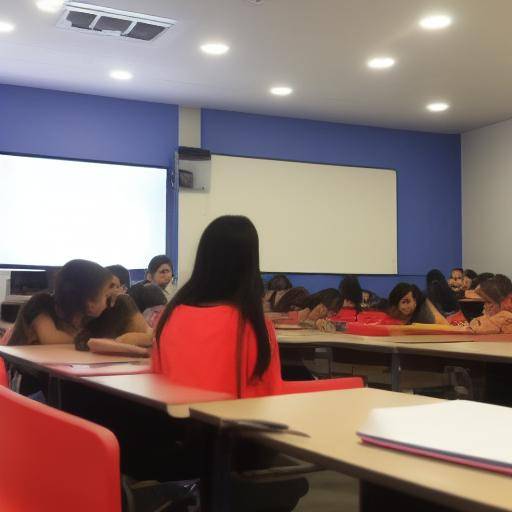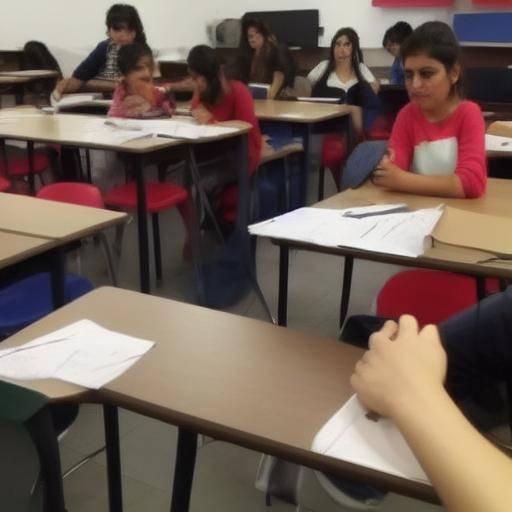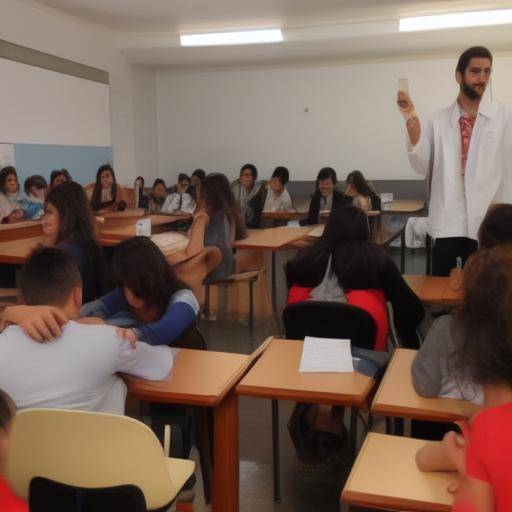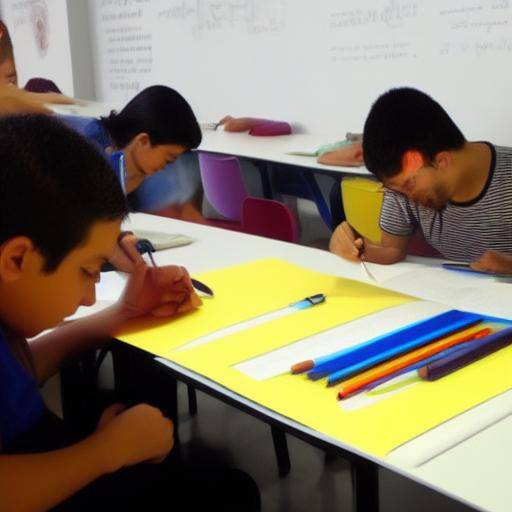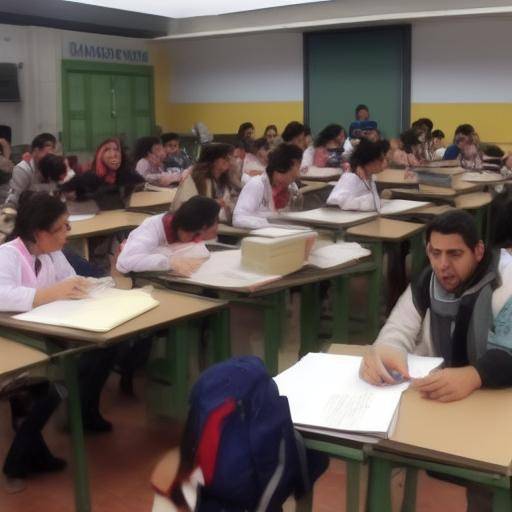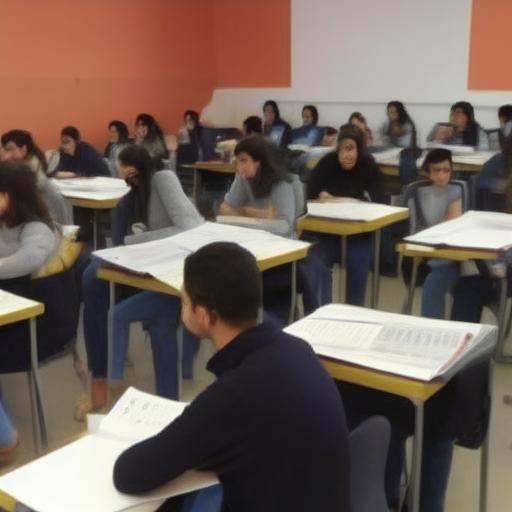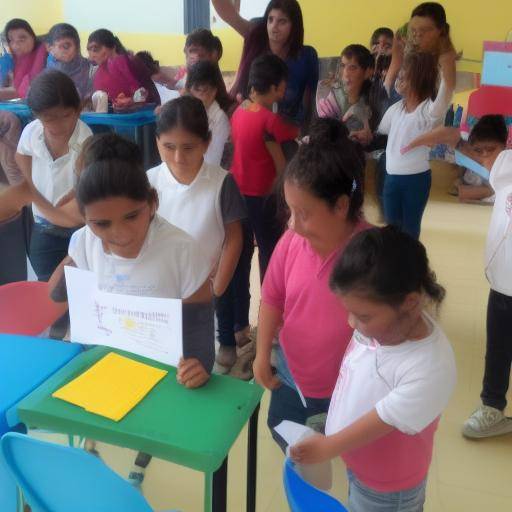
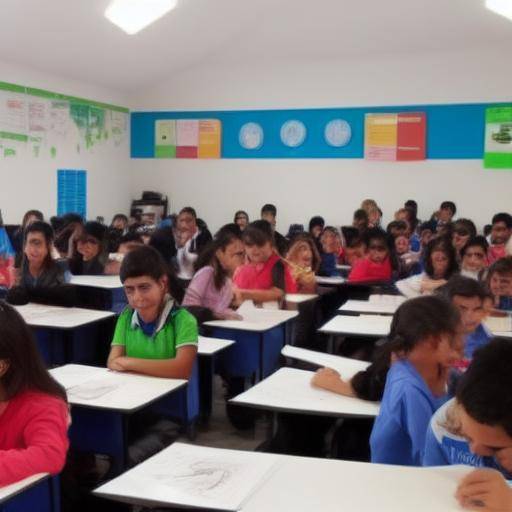
Global education is a crucial issue in today's society. In an increasingly interconnected world, it is essential that students acquire a deep understanding of cultures, international perspectives and global issues. Promoting global education in the classroom not only enriches the educational experience, but also prepares students to be citizens of the world. In this article, we will explore effective strategies to promote global education in the classroom, addressing its importance, benefits, challenges and offering practical advice.
Introduction
Global education not only focuses on the knowledge of facts, but also on intercultural understanding, global awareness, and the development of skills for critical thinking and problem solving worldwide. Promoting global education in the classroom is essential to fostering empathy, understanding and ability to work effectively in diverse environments.
History and Background
Global education has deep historical roots dating back to ancient times, when civilizations exchanged knowledge, goods and cultures along trade routes. During the colonial era, the expansion of empires and cultural exchange played an important role in the spread of global knowledge. Today, global education has become a priority in many educational systems, with an approach to equity, diversity and inclusion.
Significant developments
Throughout the 20th century, global education experienced significant developments with the creation of international organizations, trade agreements and human rights movements that encouraged global interconnection. In recent years, technology has expanded opportunities for collaborative learning and intercultural understanding, overcoming geographical barriers.
Analysis in Deep
Global education provides a number of tangible benefits, including greater cultural understanding, promoting peace and conflict resolution, and preparing students to succeed in a globalized labour market. Despite these benefits, the challenge lies in effectively integrating global education into the curriculum, ensuring that it is not perceived as a mere complement or a marginal issue.
Perspectives and Views
From a pedagogical perspective, global education needs to be addressed in a transversal way, integrating in a natural way into all disciplines. This requires a review of academic programmes, teacher training and the adoption of innovative teaching methods that promote global awareness. In addition, global education also faces challenges related to equity and inclusion, as it is essential to address inequalities in access to global educational resources.
Comprehensive review
The effective implementation of global education in the classroom includes the selection of appropriate educational materials and resources, the formation of the teaching body to address global issues in an informed and sensitive manner, and the creation of inclusive learning environments that value cultural diversity. It is also essential to promote the active participation of students in activities that foster global understanding, such as international collaborative projects, cultural exchanges and conferences with guest speakers from various parts of the world.
Comparative analysis
Compare and contrast global education with the promotion of it in the classroom emphasizes the importance of an integrated strategy that encompasses both theoretical and practical aspects. While global education encompasses a broader and more interdisciplinary approach, classroom advocacy focuses on practical implementation and effective integration into the daily educational environment.
Practical Tips and Accessible Tips
- Integrate global education into all subjects, not limiting it to specific areas of the curriculum.
- Promote participation in extracurricular activities that promote intercultural awareness, such as language clubs, student exchanges and community service projects at the global level.
- Use information and communication technologies to connect students with peers in other countries, facilitating the exchange of perspectives and experiences.
- Invite guest speakers from different cultures and backgrounds to enrich dialogue in the classroom and provide a direct view of global realities.
Industry Perspectives and Expert Reviews
Education experts agree that promoting global education in the classroom is essential to preparing students for the real world, where global interconnection is becoming increasingly evident. Employers look for individuals with intercultural skills, who can work on diverse teams and adapt to changing environments. Global education not only enriches the educational experience, but also forms citizens of the world who are prepared to face global challenges.
Case Studies and Real Life Applications
An outstanding example of the effective promotion of global education in the classroom is the project-based learning approach that addresses complex and challenging global problems. Students work in interdisciplinary teams to address issues such as climate change, poverty, gender equality and migration, giving them the opportunity to apply their skills and knowledge in real-world contexts.
Future Trends and Predictions
As the world continues to evolve towards greater interconnection, global education will become an essential part of the educational experience. Trends indicate greater emphasis on intercultural competition, global collaboration, and the development of critical thinking skills related to global issues. This will require a comprehensive approach that integrates global education at all levels, from primary to higher education.
Conclusions
In short, promoting global education in the classroom is critical to preparing students for the diverse and globalized world we live in. The effective integration of global education into the curriculum not only enriches the educational experience, but also prepares students to embrace diversity, understand the complexities of the current world and contribute significantly to global society.
FAQs
1. What is global education?
Global education is an educational approach that seeks to promote intercultural understanding, global awareness and skills development to face global challenges.
2. Why is it important to promote global education in the classroom?
Promoting global education in the classroom is important because it prepares students to live and work in an increasingly interconnected world.
3. What are the key challenges in the implementation of global education?
Key challenges include effective integration into the curriculum, teacher training, and the creation of inclusive environments.
4. What are some effective strategies to promote global education in the classroom?
Integrate it into all subjects, encourage extracurricular intercultural activities, use technologies to connect students globally, and invite speakers from different cultures.
5. What are the benefits of global education for students?
Benefits include greater intercultural understanding, improved interpersonal skills and a more global and open mindset.
6. What is the role of educators in promoting global education?
Educators play a crucial role in the effective integration of global education into the classroom, from the selection of educational materials to the promotion of an inclusive and respectful environment.
Conclusion The promotion of global education in the classroom plays a key role in the formation of informed and empathetic citizens of the world. As educators and leaders of the future, it is our duty to foster global understanding and appreciation of diversity to build a more harmonious and equitable world.
In conclusion, promoting global education in the classroom is a crucial step towards the formation of citizens of the world. With effective strategies, commitment and an inclusive approach, we can prepare future generations to address global challenges in an informed and compassionate manner.