Introduction
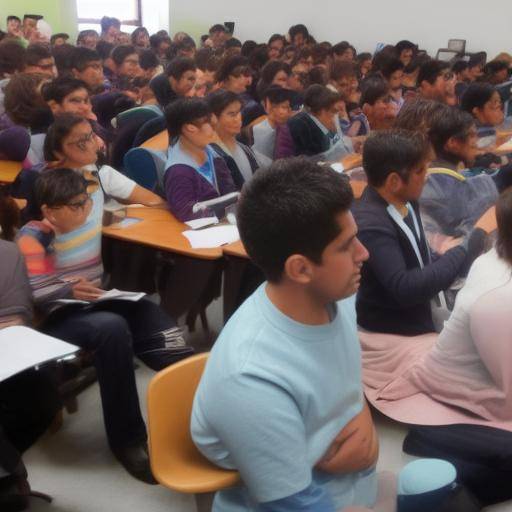
Stress is a reality that affects many teachers and students in the educational environment. High levels of stress can have a significant impact on academic performance, physical and mental health, as well as on the overall well-being of all those involved in the educational process. In this article, we will explore effective strategies to manage classroom stress, providing practical solutions and valuable tips to promote a healthier and productive educational environment.
History and Background
Stress in the educational environment is a phenomenon that has become increasingly relevant in recent decades. In the past, classroom stress was not as widely discussed as it is today. However, with the recognition of the importance of emotional and mental well-being in learning, the management of stress in the classroom has become an area of growing interest for both educators and health professionals.
Stress in the classroom may be related to multiple factors, ranging from academic pressure and curriculum demands to behavior problems and interpersonal dynamics. It is essential to understand the evolution and causes of stress in the educational environment in order to develop effective strategies that address these concerns comprehensively.
Analysis in Deep
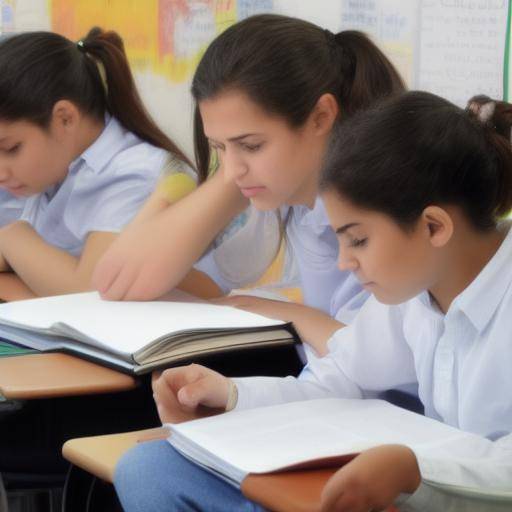
Stress in the classroom poses significant challenges for all involved. Teachers face the pressure to meet academic goals, manage classroom dynamics and meet the individual needs of students. On the other hand, students deal with academic burden, performance expectations and personal challenges that can affect their ability to concentrate and learn effectively.
The management of stress in the classroom is crucial to ensuring an enabling environment for learning. Strategies implemented must address both the needs of teachers and students, seeking to balance academic demands with emotional well-being. In this sense, it is important to analyze in depth the implications of stress in the classroom and explore innovative approaches for its management.
Comprehensive review
Stress management strategies in the classroom should be comprehensive and adaptable to the specific needs of each educational environment. Some common practices include promoting emotional self-consciousness, fostering a climate of mutual support among students, implementing time management techniques and creating spaces that foster relaxation and well-being.
It is essential to consider not only strategies at the individual level, but also actions that can be implemented at the institutional level to promote a holistic approach to the management of stress in the classroom. Collaboration between teachers, managers, support staff and students is essential to generating a positive and sustainable impact on the educational environment.
Comparative analysis
By comparing the management of stress in the classroom with other areas of application, it is evident that strategies are adapted to the dynamics and specific needs of the educational environment. While there are similarities in stress management techniques in different contexts, it is essential to recognize the particularities of the classroom and to address them specifically and individually.
Practical Tips and Accessible Tips
Some practical tips for managing stress in the classroom include:
- Promote open communication and emotional expression.
- Design activities that promote relaxation and concentration.
- Provide resources for self-learning on stress management techniques.
- Establish realistic and flexible expectations for academic objectives.
Industry Perspectives and Expert Reviews
Experts in the field of educational psychology and the management of stress in the classroom agree on the importance of addressing emotional well-being as a crucial component of the educational process. The opinions of professionals with field experience can provide valuable information on the most effective practices and areas of improvement in the management of stress in the classroom.
Case Studies and Real Life Applications
Real case analysis highlights the effectiveness of strategies implemented to address stress in specific educational settings. These studies provide concrete examples of how stress management strategies have been applied in different contexts, as well as the results obtained and lessons learned that can guide other professionals in the educational field.
Future Trends and Predictions
The area of stress management in the classroom is constantly evolving, and different trends are visible that will shape the approach to emotional well-being in the educational environment. The integration of mindfulness techniques, the emphasis on the prevention of stress and the use of technology as a tool for self-care are just some of the trends that are expected to impact the management of stress in the classroom in the future.
Conclusions
The management of classroom stress is a crucial aspect of promoting a healthy and productive educational environment. By adopting effective and collaborative strategies, it is possible to mitigate the impact of stress on both teachers and students, fostering greater emotional well-being and facilitating an optimal learning process.
Frequently asked questions
**Question 1: What are the main sources of stress in the classroom?**The main sources of stress in the classroom can include academic pressure, interpersonal conflicts, time management and adaptation to new educational dynamics.
**Question 2: What role do teachers play in managing stress in the classroom?**Teachers play a key role in providing emotional support, promoting a trusted environment and facilitating stress management strategies for students.
**Question 3: How can students learn to manage their own classroom stress?**Students can learn to manage their classroom stress through emotional self-consciousness, the development of coping skills and access to support resources.
**Question 4: Is there a unique approach to managing stress in the classroom?**No, the management of stress in the classroom must adapt to the specific needs of each educational environment, considering the particularities of the teachers and students involved.
**Question 5: What is the importance of self-care for the management of stress in the classroom?**Self-care is crucial for the management of stress in the classroom, as it promotes emotional health and coping capacity for both teachers and students.
**Question 6: What positive effects can be expected when implementing effective stress management strategies in the classroom?**By implementing effective stress management strategies in the classroom, it is possible to expect an improvement in emotional well-being, academic performance and the overall climate of the educational environment.
Conclusion The management of stress in the classroom is an area of great importance that requires practical and empathic approaches to maximize the well-being of teachers and students. By adopting effective strategies and promoting an environment of mutual support, it is possible to create healthier and more conducive learning environments.
This article has provided a comprehensive insight into classroom stress management, from its historical background to future trends, and has highlighted the importance of addressing this issue from a collaborative and emotional well-being perspective.
By understanding the impact of stress on the classroom and effective strategies for its management, education professionals can take significant steps to promote a healthier and more equitable educational environment for all.
We hope that this article has provided a profound and practical understanding of the management of stress in the classroom, as well as valuable tools to implement effective strategies in diverse educational settings.
Remember that the management of stress in the classroom is a continuous task that requires a sustained commitment by all those involved in the educational process. By prioritizing emotional well-being and promoting effective stress management strategies, we contribute to the integral development of teachers and students, laying the foundations for meaningful and sustainable learning.
This article was created with the intention of providing a comprehensive and practical guide on the management of stress in the classroom, and we hope that it has met your expectations by providing valuable and insightful information.
Remember that the management of stress in the classroom is a dynamic and constantly evolving area, so it is essential to stay informed about the latest trends and approaches. By adopting a proactive and collaborative approach, we contribute to emotional well-being and academic success of teachers and students in the educational environment.
Thank you for accompanying us on this journey of discovery and reflection on the management of stress in the classroom!