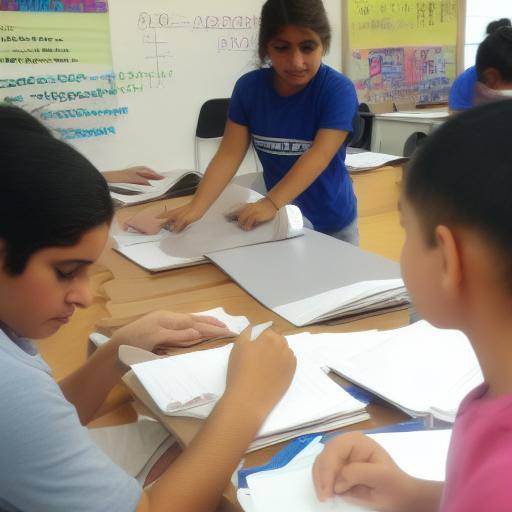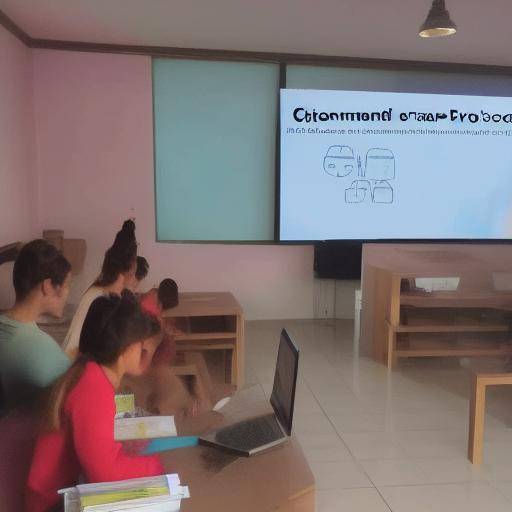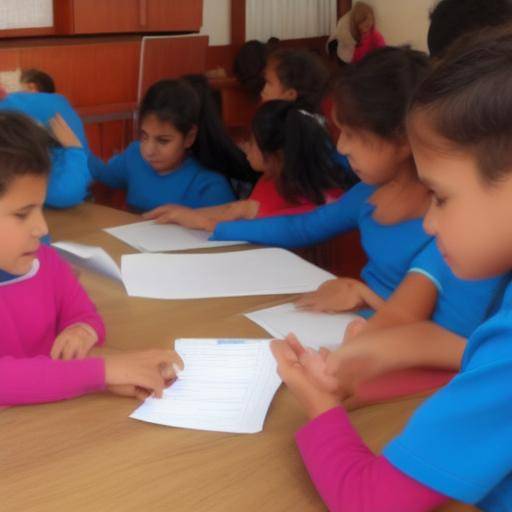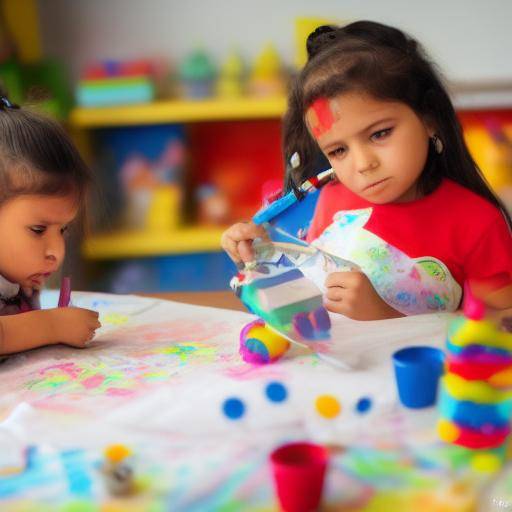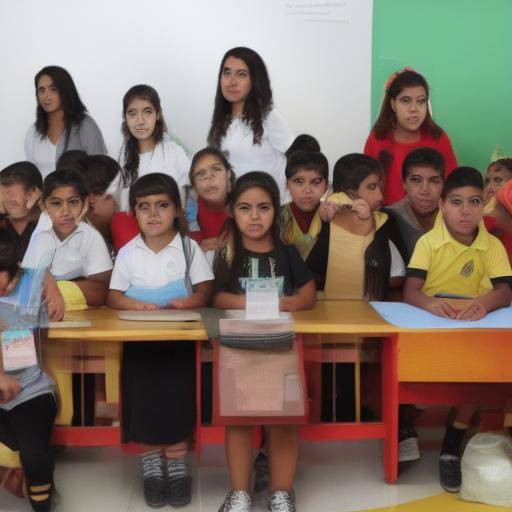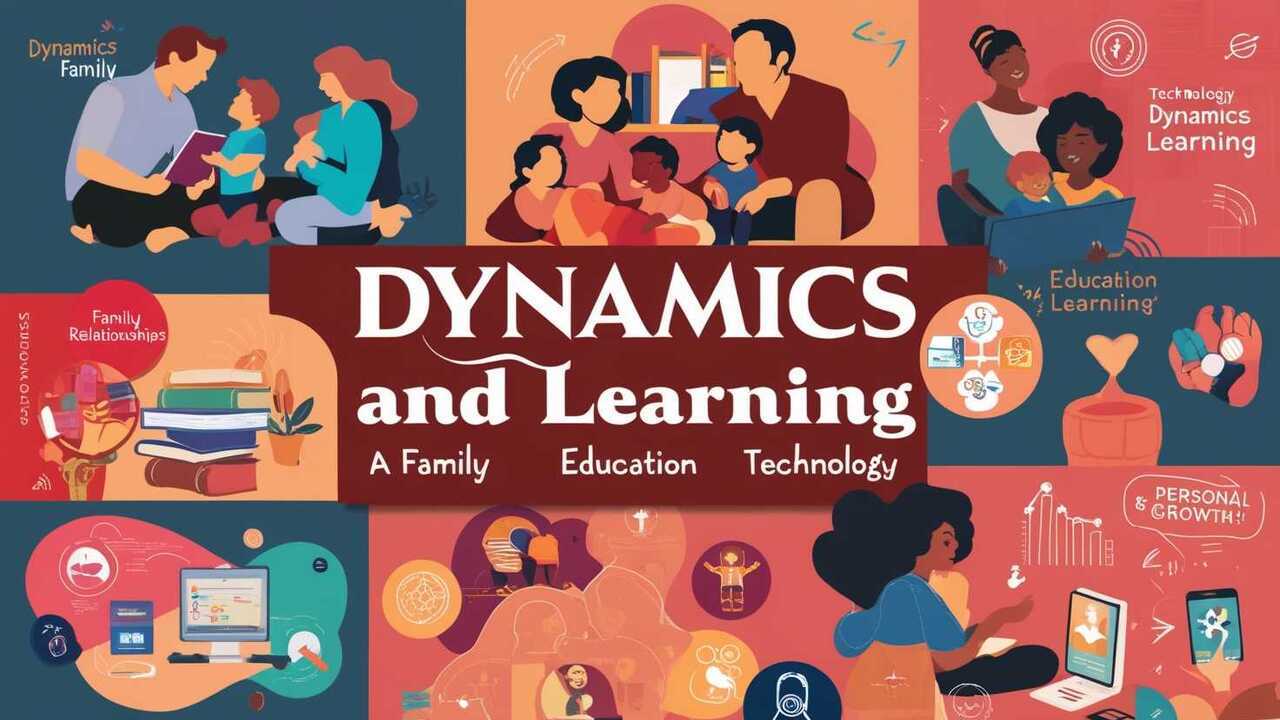
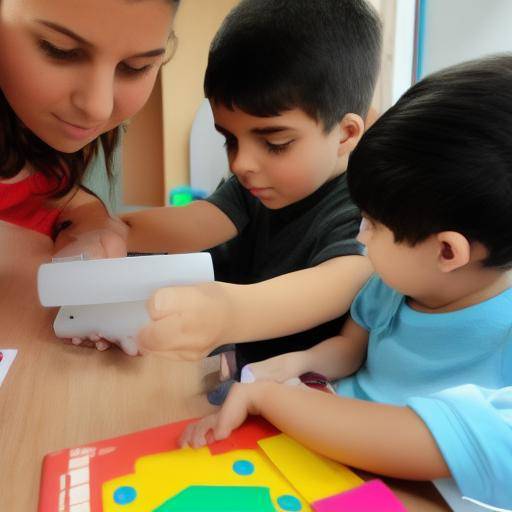
With the unstoppable advance of technology, there is a need to understand its impact on the learning of children. In the current context, the integration of technology into education is fundamental, but how does this affect children? In this article, we will explore in depth the role of technology in the learning of children, their historical evolution, benefits, challenges, practical application, future trends and more. Prepare to immerse yourself in a world where technology and learning intertwine to form the educational future of our little ones.
Introduction
The educational environment of children has experienced significant transformations with the omnipresence of technology in daily life. Early introduction to technological devices and digital tools has led to a fundamental change in the way children learn and develop. This change not only presents challenges, but also exciting opportunities to foster more interactive and dynamic learning. As we move forward, it is crucial to understand the role of technology in the child learning process.
History and Background
The relationship between technology and child learning has its roots in the dawn of the digital era. From the first educational programs on computers to the proliferation of mobile devices and online learning platforms, we have witnessed an impressive evolution. In the 1980s, the introduction of computers in the classrooms marked the beginning of a new era in education. Access to information and interactive tools opened the doors to innovative learning modalities. Later, with the rise of the internet and social networks, there was a radical change in the way children access and share knowledge.
Significant developments
- Emergence of educational platforms: The creation of e-learning platforms and online educational content expanded learning opportunities beyond the traditional classroom.
- Innovations in educational gamification: The incorporation of game elements into educational environments sought to motivate and engage students more playfully.
- Adoption of artificial intelligence in education: Using algorithms and smart systems opened new possibilities to customize the learning experience.
Analysis in Deep
Technology has demonstrated a number of tangible benefits in the learning of children. From improving understanding of complex concepts to promoting cognitive skills, technology has proven to be an invaluable ally in the educational process.
Benefits
- Access to various educational resources: Technology has democratized access to high-quality information and educational resources, allowing children to explore topics that might be beyond the reach of traditional methods.
- Development of technological skills: Early exposure to technological devices can foster digital literacy, a crucial skill in the modern era.
- Learning customization: Adaptive educational platforms and custom learning tools can meet the individual needs of students, supporting a more focused approach to the student.
Challenges
- Distresses and dependence: Overexposition to technology can generate distraction and dependence, which negatively affects concentration and academic performance.
- Access inequality: Although technology can be a powerful tool, the digital divide poses significant challenges for those who lack access to reliable devices and connectivity.
- Security and privacy: The protection of privacy and security in digital environments is a growing concern, especially in the context of children exposed to the Internet and social networks.
Current trends
At present, we see significant trends that shape the intersection between technology and child learning. From the integration of increased and virtual reality into educational environments to the adoption of adaptive learning platforms, technological innovation continues to reshape the educational landscape of children.
Comprehensive review
The application of technology in the learning of children is not only limited to the classroom, but extends to multiple facets of everyday life. From STEM education (science, technology, engineering and mathematics) to the development of socio-emotional skills, technology has become a versatile tool with numerous applications.
Best Practices
- Implementation of interactive educational devices: The integration of tablets, touch devices and interactive tools has proven to be effective in promoting student participation and commitment.
- Use of enriched multimedia resources: Access to multimedia content, such as educational videos and interactive simulations, can enrich the understanding of complex concepts and facilitate experiential learning.
- Promoting critical thinking and solving problems: Educational applications and games designed to challenge and stimulate critical thinking are valuable for the cognitive development of children.
Perspectives and Views
The discussion on the integration of technology in the learning of children has generated a broad spectrum of views. While some advocate for wider adoption given the digital nature of the contemporary world, others express reservations about possible adverse effects. It is essential to address these perspectives in a holistic manner and to consider the ethical, emotional and cognitive aspects of technological inclusion in child learning.
Comparative analysis
The comparison of different educational approaches involves the evaluation of the effectiveness and impact of technology in the learning process of children compared to traditional methodologies. This analysis allows to identify areas of strength and potential limitations, providing an integral view of how technology influences the development of skills and knowledge.
Synergies and Differences
- Social interaction and collaboration: While technology can facilitate the connection and collaboration between students, interpersonal interaction in physical environments remains critical for the development of social skills.
- Individualization of learning: The ability of technology to adapt the educational content to the individual needs of students has significant advantages compared to standard educational approaches.
- Motivation and commitment: The integration of gamification elements and rewards in technological environments can boost student motivation, but it is crucial to balance this motivation with firmness towards academic achievement.
Practical Tips and Accessible Recommendations
In considering the integration of technology into children ' s learning, it is essential to adopt pragmatic approaches that maximize benefits and minimize risks. The following practical advice will provide clear and clear ideas on how to effectively address the relationship between technology and child learning.
Tips for Parents and Educators
- Establish limits on the use of technology: Establishing reasonable schedules and limits in the use of technological devices can promote a healthy balance between digital learning and physical and social activities.
- Promoting active monitoring: Active participation of parents and educators in the use of technology by children can provide guidance, support and security.
- Promote critical thinking: Increasing reflective analysis and evaluating digital information is essential to building critical skills in a technological environment.
Strategies for Optimizing Learning Experience
- Use diversified educational resources: The integration of electronic books, educational applications and interactive videos expands the spectrum of learning opportunities for children, enriching their educational experience.
- Creating an interactive learning environment: The design of educational activities involving the use of technology, such as online research projects or virtual experiments, can stimulate the curiosity and active participation of children.
Perceptions of Industry and Expert Reviews
The views and perspectives of experts in the field of education and technology provide an invaluable insight into current and future trends in integrating technology into the learning of children. By analyzing the opinions of industry leaders, we can gain a more complete understanding of the implications and future directions of this dynamic relationship.
Reflections of Experts
- Approach to adaptability: According to education experts, technology has become essential to foster adaptable and agile learning in a constantly evolving world.
- Emphasis on digital literacy: Experts underline the importance of developing strong digital skills from an early age to prepare children for the future working environment.
- Ethics and privacy considerations: Educational technology leaders emphasize the need to establish clear guidelines to ensure the safety and privacy of children in digital environments.
Case Studies and Practical Applications
Case studies provide a concrete view of how technology is implemented in educational settings to enrich the learning of children. These real examples illustrate the benefits, challenges and results observed, providing a practical perspective on the successful integration of technology into child learning.
Success Case: Program of Educational Robotics in Primary Schools
In a pilot programme in primary schools, educational robotics was introduced as part of the curriculum to promote logical thinking and problem solving. The results showed a significant increase in student interest and participation, as well as an improvement in mathematical and programming skills.
Practical Application: Personalized Learning Platform
An adaptive learning platform was implemented in a school environment to provide students with access to personalized educational resources, adaptive assessments and instant feedback. The data collected showed improvements in academic performance and greater self-efficiency in learning.
Future Trends and Predictions
Looking forward, it is crucial to identify trends and predictions that will shape the intersection between technology, learning and children. From the advancement of artificial intelligence in education to the evolution of immersive learning environments, these trends have the potential to radically transform the educational landscape in the years to come.
Highlights
- Enhancing interactive online education: Interactive online education is expected to experience significant growth, providing more flexible and personalized learning opportunities.
- Integration of virtual and increased reality: The adoption of immersive learning environments based on virtual and increased reality is projected as a powerful means of increasing the participation and understanding of the educational content.
- Focus on the ethics of artificial intelligence: With the continued expansion of AI in education, more scrutiny is expected on the ethical and practical implications of its application in educational settings.
Conclusion and Frequently Asked Questions
Conclusion
Ultimately, the relationship between technology and child learning is a dynamic interaction that presents exciting opportunities and significant challenges. By understanding historical evolution, benefits, challenges, practical applications, future trends and practical advice, we can forge a path to more enriched and adaptive learning for our children in the digital age.
Frequently asked questions
How can technology benefit children's learning?
Technology can provide access to diverse educational resources, foster digital literacy and customize learning to meet the individual needs of students.
What are the challenges associated with the excessive use of technology in child learning?
Excessive use of technology can result in distractions, dependence, inequality in access and security and privacy concerns.
What are the best practices for integrating technology into the classroom effectively?
The implementation of interactive educational devices, the use of enriched multimedia resources and the promotion of critical thinking are effective strategies to optimize educational experience using technology.
What role do parents and educators play in integrating technology into the learning of children?
Parents and educators play a crucial role in setting limits on the use of technology, promoting active monitoring and fostering critical thinking among children.
What are future trends in integrating technology into the learning of children?
There is an increase in interactive online education, the integration of virtual and increased reality, and a more marked approach to the ethics of artificial intelligence in educational settings.
What is the importance of adapting technology to learning children?
The adaptation of technology to children ' s learning is essential to foster a more adaptable and agile approach in a constantly evolving world.
In short, the multidimensional relationship between technology and child learning continues to evolve, offering new opportunities and confronting challenges that require a balanced and reflective approach. By embracing the transformative potential of technology in the learning of children, we can pave the way for a more dynamic and enriching educational future for generations to come.