
Introduction
Cooperative learning in the classroom has gained great relevance in the educational field. This methodology promotes interaction among students, allowing them to develop social, cognitive and emotional skills, thus contributing to a more meaningful and enriching learning. In this article, we will explore in detail the advantages of cooperative learning, its impact on the academic and personal development of students, as well as its importance in the current educational context.
History and Background
Cooperative learning is not a new practice, since its origins date back to the theories of social psychology and pedagogy. Throughout history, it has experienced significant development, influenced by research, educational theories and innovative practices. From its conception to its implementation in modern classrooms, cooperative learning has evolved to adapt to the changing needs of education.
Highlighted pedagogues and psychologists, such as Lev Vygotsky and John Dewey, have contributed to the development of this methodology, stressing the importance of social interaction in the learning process. The focus on collaboration, effective communication and teamwork has been crucial in the configuration of cooperative learning as we now know it.
Analysis in Deep
Cooperative learning offers a number of advantages that have a positive impact on academic performance, emotional well-being and preparation for the adult life of students. These advantages are observed at different levels, from the development of social skills to the promotion of an inclusive and equitable learning environment.
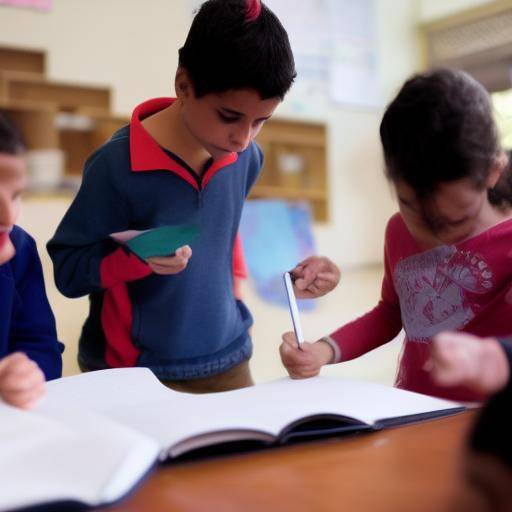
**Academic advantages:**Cooperative learning fosters the active participation of students, promoting deeper and more meaningful learning. When working on teams, students have the opportunity to discuss concepts, solve problems and apply knowledge in a practical way, which benefits both their understanding and their retention of information.
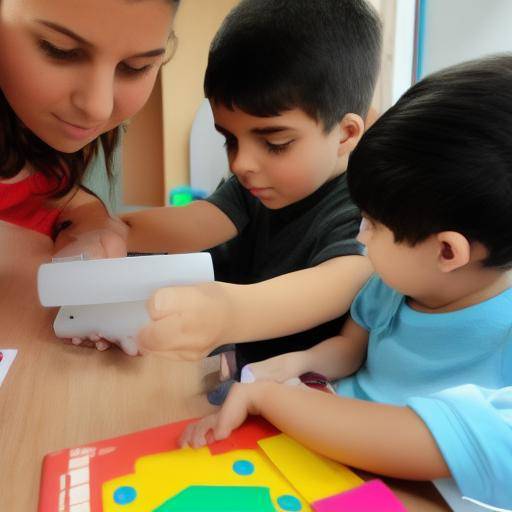
**Social Skills Development:**Collaboration in the classroom promotes the development of essential social skills, such as effective communication, empathy, tolerance and teamwork. These skills are fundamental both in the educational environment and in everyday life, preparing students to face interpersonal and labor challenges in the future.
Comprehensive review
Cooperative learning not only benefits students, but also has a positive impact on classroom dynamics and the role of teachers. The effective implementation of this methodology requires a reflective and strategic approach, supported by appropriate resources and tools. In addition, cooperative learning allows the teacher to take a role as a learning facilitator, promoting an environment in which each student feels valued and empowered.
Conclusions and FAQs
Conclusion
In short, cooperative learning in the classroom offers a wide range of benefits for both students and teachers. By fostering cognitive, social and emotional development, this methodology is a valuable tool to promote more comprehensive and meaningful learning. Its impact transcends the academic sphere, preparing students to face the challenges and opportunities that will be presented throughout their lives.
Frequently asked questions
- What are the key characteristics of cooperative learning?
- How is cooperative learning implemented in the classroom?
- What specific benefits does cooperative learning bring to students?
- How can teachers evaluate student performance in cooperative learning contexts?
- What are the common challenges associated with the implementation of cooperative learning?
- How to Promote Equitable Participation and InclusionIn conclusion, cooperative learning in the classroom offers numerous advantages that go beyond the academic realm, positively affecting the integral development of students. From fostering social skills to improving academic performance, this methodology has demonstrated its effectiveness in preparing students for a successful future. Its effective implementation requires a reflective approach, adequate resources and a continuing commitment by teachers and students.
We hope that this article has provided a profound understanding of the advantages of cooperative learning in the classroom and inspired further reflections on its implementation and potential in the educational environment.
If you have more questions or wish to explore this topic in greater depth, do not hesitate to contact us. We are here to support you on your journey to a more collaborative, inclusive and enriching education.
Thank you for reading us!