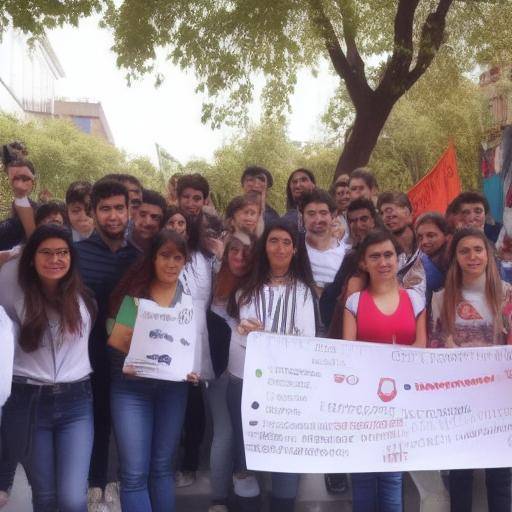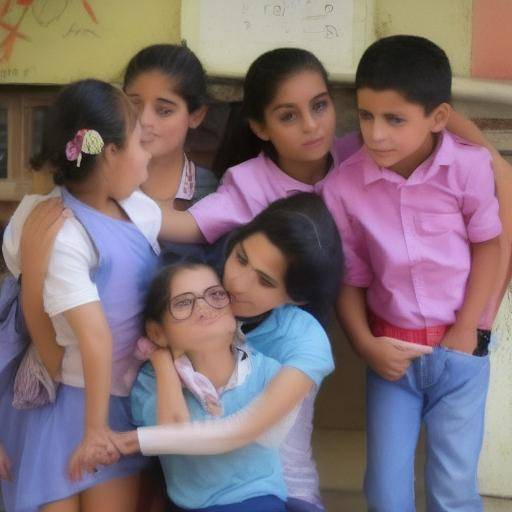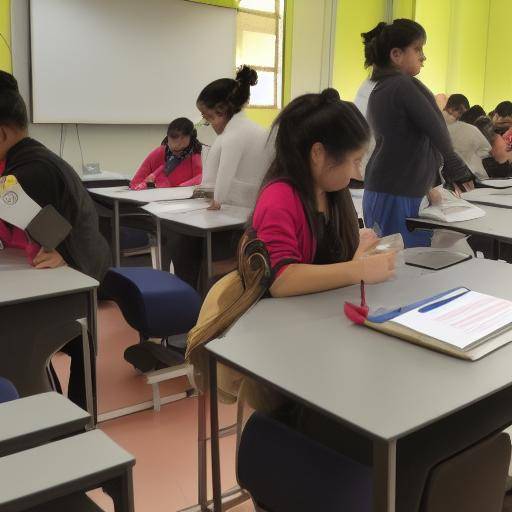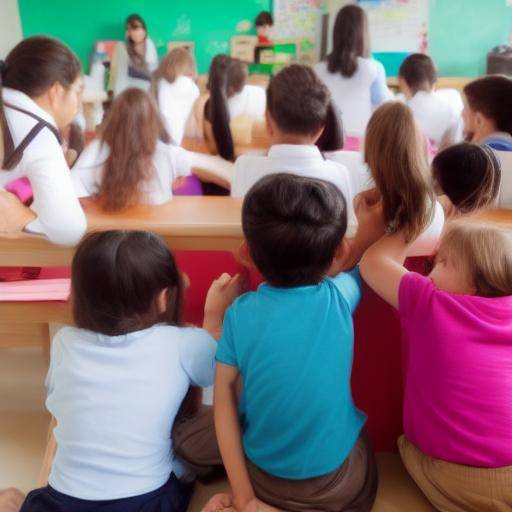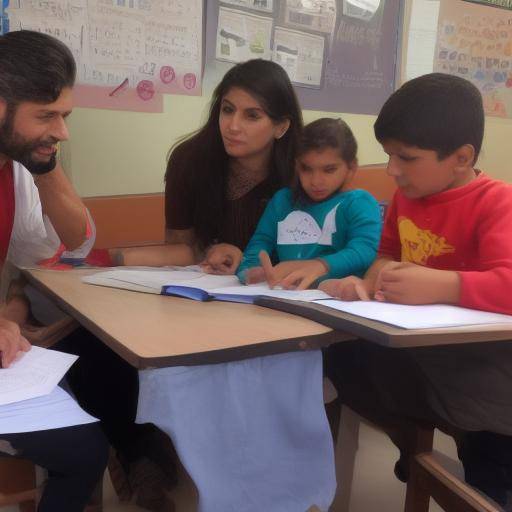
Collaboration between parents and teachers in inclusive education is essential to ensuring the academic and emotional success of students with functional diversity. This synergy between the school and family environment provides a comprehensive approach to the needs of students, promoting an environment of support, understanding and active participation. In this article, we will explore effective strategies to foster collaboration between parents and teachers in the context of inclusive education, as well as their importance, benefits and challenges.
Introduction
Collaboration between parents and teachers is a fundamental pillar in inclusive education, which aims to provide equal opportunities and personalized attention to all students, regardless of their capacities. This synergy promotes a holistic approach to the integral development of students, recognizing the importance of the active participation of parents and teachers in the planning, implementation and monitoring of educational strategies. Throughout this article, we will thoroughly explore key strategies that strengthen collaboration between the two actors, generating a positive impact on the development and well-being of students with functional diversity.
History and Background
Collaboration between parents and teachers in the context of inclusive education has its roots in defending the rights of people with functional diversity. Throughout history, the struggle for educational inclusion has led to significant progress, marking significant milestones in promoting equitable and accessible education for all. Since the Salamanca Declaration in 1994 until the implementation of inclusive education laws in various countries, considerable progress has been made in promoting education that values the diversity and active participation of the school community.
In this regard, it is essential to recognize the crucial role that parents and teachers have played in promoting inclusive practices, advocating for educational environments that recognize and value individual differences. Joint efforts by parents, teachers and advocates for inclusion have contributed to the evolution of pedagogical approaches that promote participation, equity and mutual respect in the educational context.
Analysis in Deep
Collaboration between parents and teachers in inclusive education presents a number of significant benefits for the educational and emotional development of students with functional diversity. At the same time, there are challenges that require innovative and strategic approaches to foster effective and ongoing collaboration between both sides.
The benefits of collaboration between parents and teachers include the creation of personalized teaching plans, a deeper understanding of the individual needs of students, the implementation of emotional support strategies and the promotion of an inclusive and enriching educational environment. However, challenges may arise in communication, coordination of efforts and coherent implementation of support strategies. It is essential to address these challenges through structured and collaborative approaches.
Comprehensive review
Collaboration between parents and teachers in inclusive education requires the implementation of specific strategies that strengthen ties between both parties. It is essential to promote open and ongoing communication, to encourage the active participation of parents in educational decision-making, and to provide support and guidance tools to families. Training and sensitization of teachers on issues of functional diversity are also critical to promoting an inclusive and equitable approach to the classroom.
Comparative analysis
Collaboration between parents and teachers involves the integration of pedagogical and emotional approaches that recognize and value the diversity of students. By working closely with parents, teachers can effectively adapt educational strategies, promoting a learning environment that meets the individual needs of each student. This partnership also allows to address specific challenges and take advantage of personal and academic growth opportunities, promoting a sense of belonging and self-esteem to students.
Practical Tips and Accessible Tips
To promote effective collaboration between parents and teachers in inclusive education, it is essential to implement concrete strategies that promote active participation, knowledge sharing and joint work for the benefit of students. Some practical strategies include:
- Establish effective and constant communication channels between parents and teachers.
- Organize regular meetings to discuss the academic and emotional progress of students.
- Promote the participation of parents in the planning and evaluation of educational strategies.
- Provide resources and counselling to families on how to support home learning.
- Implement differentiated approaches that meet the individual needs of students.
- Promote an atmosphere of openness, respect and mutual cooperation.
Industry Perspectives and Expert Reviews
The views of experts in the field of inclusive education highlight the importance of strong and meaningful collaboration between parents and teachers. Experts agree that this synergy not only benefits the academic and emotional development of students, but also strengthens the educational community as a whole. The active participation of parents and effective communication with teachers are fundamental aspects that directly affect the success of inclusive education programmes.
Case Studies and Real Life Applications
Case studies that demonstrate the effectiveness of collaboration between parents and teachers in inclusive education are essential to understanding the concrete impact of these strategies. Analyzing real cases of successful collaboration between parents and teachers allows identifying patterns, challenges and solutions that can be applied in different educational contexts. These cases demonstrate how smooth and meaningful collaboration can enhance student development and strengthen the entire school environment.
Future Trends and Predictions
Future trends in inclusive education aim at greater integration of parent-teacher collaboration into educational policies and practices. This collaboration is expected to continue to evolve
Conclusions and FAQs
In conclusion, collaboration between parents and teachers in inclusive education is an essential component that promotes the integral development of students with functional diversity. Strengthening this collaboration requires mutual commitment, effective communication, and concrete strategies that promote an inclusive and equitable approach. Working together, parents and teachers can create a positive and lasting impact on student education, fostering a sense of belonging, inclusion and constant support.
Frequently asked questions
**1. What is the role of parents in inclusive education?**Parents play a key role in inclusive education by providing emotional support, actively participating in educational planning and working closely with teachers to ensure the comprehensive development of their children.
**2. How can teachers promote collaboration with parents in inclusive education?**Teachers can promote collaboration with parents through open communication, active participation in educational planning and the inclusion of families in the decision-making process.
**3. What are the concrete benefits of parent-teacher collaboration?**Benefits include the personalization of educational strategies, emotional support for students, the promotion of an inclusive educational environment and the empowerment of individual student development.
**4. What are the most common challenges in collaboration between parents and teachers in inclusive education?**Common challenges include intermittent communication, lack of specialized educational resources, and coordination of efforts to implement support strategies in a coherent manner.
**5. What approaches can strengthen collaboration between parents and teachers in inclusive education?**Establish effective channels of communication, promote the active participation of parents in educational planning, and provide resources and guidance to families are key approaches to strengthening collaboration.
**6. What are future trends in parent-teacher collaboration in inclusive education?**Future trends are expected to promote greater integration of parent-teacher collaboration into educational policies and practices, as well as a more holistic and equitable approach to inclusive education.
With these key issues addressed in depth, it is clear that collaboration between parents and teachers in inclusive education is a determining factor for the well-being and integral development of students with functional diversity. By focusing on concrete strategies, promoting communication and mutual collaboration, and recognizing the value of diversity, the educational community can generate a positive and lasting impact on inclusive education.