Early education is a fundamental stage in the development of children, and the active participation of parents in this process is essential to maximize their potential. Collaboration between the family and the school is essential to provide children with an enriching environment that promotes their learning and integral development. In this article, we will explore various strategies to involve parents in early education, highlighting the importance of this participation and providing practical advice to strengthen this partnership.
Importance of parental participation in early education
The active participation of parents in early education of their children has a significant impact on their cognitive, emotional and social development. Research has shown that children whose parents are involved in their education get better academic results, demonstrate a higher level of self-esteem and are more likely to remain engaged in learning throughout their lives.
Why is it crucial to involve parents in early education?
Early childhood is a critical stage in developing a child's cognitive and social skills. During these years, parents play a key role in providing a safe and enriching environment that encourages child learning. The active participation of parents in early education not only strengthens the link between the child and their parents, but also positively influences their academic performance and emotional well-being.
Effective strategies to involve parents in early education
Create a home learning environment
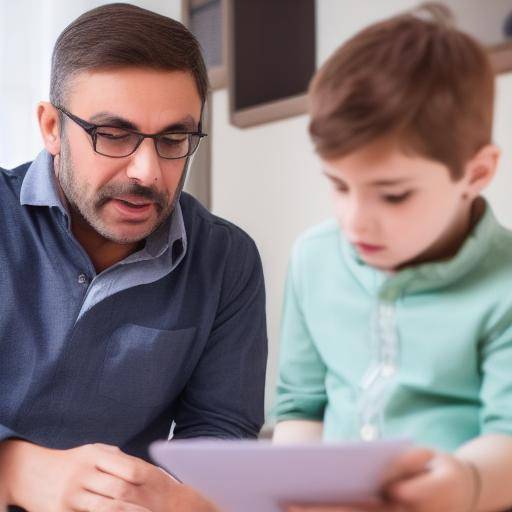
One of the key aspects of parental participation in early education is the creation of a learning environment at home. Parents can foster love for learning by providing reading material, teaching games and opportunities to explore the world around the child. In addition, establishing consistent routines that include time for reading, outdoor exploration and creative play can positively impact the child's cognitive development.
Open and collaborative communication with the school
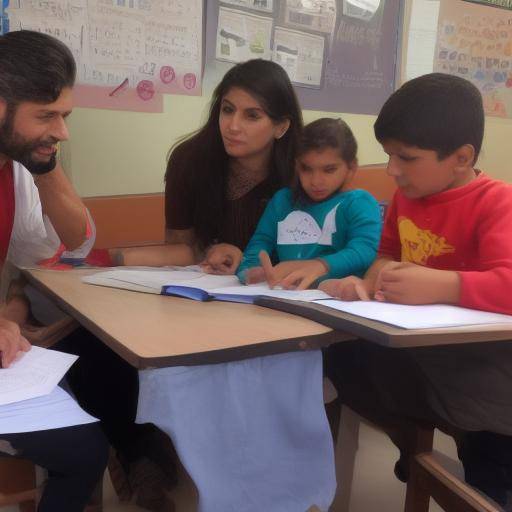
Open and collaborative communication between parents and school is essential to ensuring a child-friendly learning environment. Parents should actively participate in school meetings, be aware of their children ' s academic progression and establish a partnership with teachers. Constant feedback and participation in school activities strengthen the link between the family and the educational institution.
Emotional support and positive stimulation
Parents play a key role in the emotional development of their children. Providing emotional support, fostering self-esteem and providing positive stimulus are key elements for the integral well-being of the child. Parents can promote an environment in which learning is a rewarding and positive experience, which will contribute to the development of a positive attitude towards learning.
Advice to promote the active participation of parents in early education
Set a reading routine at home
Reading is a fundamental activity that promotes the development of language, understanding and creativity in children. Parents can encourage the habit of reading by dedicating daily time to share stories and books with their children. This practice not only strengthens the emotional bond between parents and children, but also enhances the cognitive development of the child.
Involvement in school and community activities
The active participation of parents in school and community activities helps to strengthen the relationship between the family and the school, while giving children the opportunity to feel supported by their parents in education. Assisting school events, collaborating in community projects and participating in extracurricular activities are effective ways of demonstrating interest and support for children ' s education.
Promote interactive play and practical learning
Interactive play and practical learning are essential components of child development. Parents can encourage learning through the game by actively participating in playful activities that encourage creativity, problem solving and motor skills development. The interactive game not only strengthens the link between parents and children, but also offers opportunities for the integral development of children.
Establish educational goals and celebrate achievements
The establishment of educational goals in collaboration with children and their academic achievements are practices that encourage motivation and commitment to learning. Parents can work with their children to set attainable goals and provide them with the necessary support to achieve them. Recognizing and celebrating academic achievements strengthens children ' s self-esteem and motivates them to continue their efforts.
Conclusion
The active participation of parents in early education is a key component for the comprehensive development of children. By creating stimulating learning environments, strengthening communication with school, providing emotional support and promoting participation in educational activities, parents contribute significantly to the academic and emotional success of their children. By implementing effective strategies to involve parents in early education, they lay the foundation for a future full of opportunities and achievements for children.
Frequently asked questions
1. What is the importance of parental participation in early education?
Parental participation in early education is crucial, as it contributes to the comprehensive development of children, strengthens their academic performance, promotes their self-esteem and establishes a solid basis for their future learning.
2. How can parents create a learning environment at home?
Parents can create a home learning environment by providing reading material, teaching games and opportunities to explore the world around the child. In addition, establishing consistent routines that include time for reading, outdoor exploration and creative play can positively impact the child's cognitive development.
3. How does communication with school benefit children in their early education?
Open and collaborative communication between parents and school is critical to ensuring a child-friendly learning environment. It allows parents to be informed about the academic progress of their children, to establish a partnership with teachers and to contribute to the comprehensive development of the child.
4. Why is it important to promote interactive play and practical learning in early education?
Interactive play and practical learning are essential components of child development. Promoting these activities not only stimulates creativity, problem solving and the development of motor skills, but also strengthens the link between parents and children and contributes to the integral development of children.
5. What are the benefits of establishing educational goals and achieving achievements in early education?
Establishing educational goals in collaboration with children and celebrating their academic achievements fosters motivation and commitment to learning. Recognizing and celebrating academic achievements strengthens the self-esteem of children and motivates them to continue their efforts.
6. What impact does the active participation of parents in early education have on the future of children?
The active participation of parents in early education provides the basis for a future full of opportunities and achievements for children. It contributes to the establishment of sound academic bases, promotes a positive attitude towards learning and strengthens the family bond, which has a positive impact on the integral development of children throughout their lives.
Concluding, the active participation of parents in early education not only enhances the cognitive, emotional and social development of children, but also lays the foundation for a prosperous and full of opportunities. By implementing effective strategies to involve parents in this process, the link between family and school is strengthened, creating an enriching environment that enhances the growth and development of children.