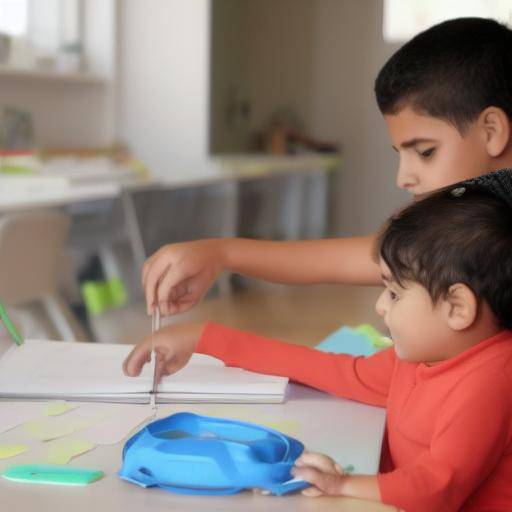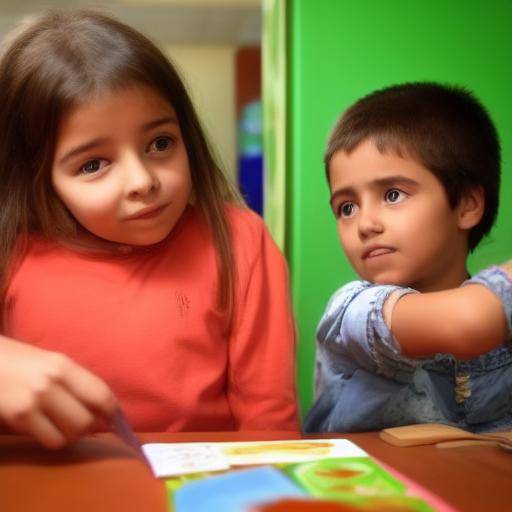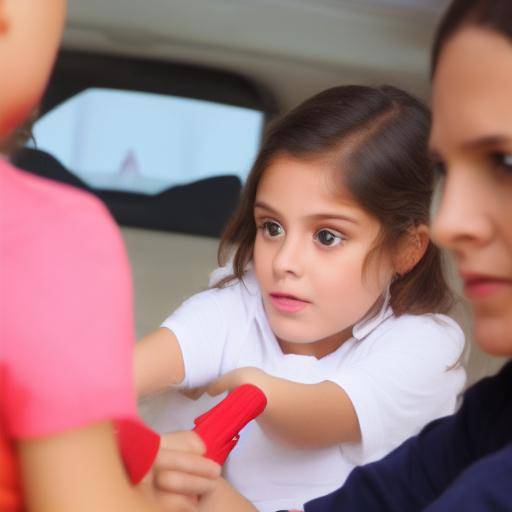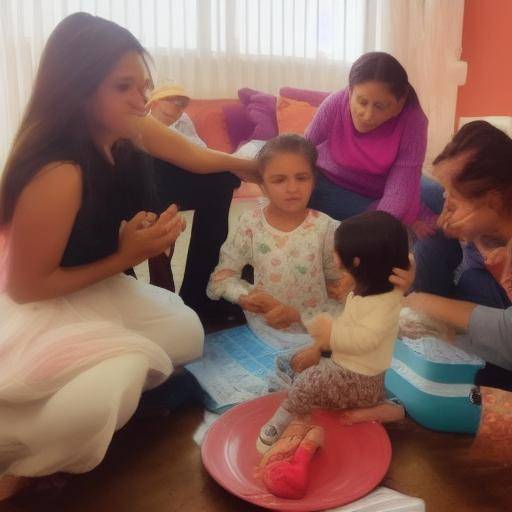
Adaptability is a vital skill in the current world, in which change is constant. In early education, it is essential to develop skills that enable children to adapt to different circumstances. In this article, we will explore ways to promote adaptability in early education, its importance and how it can impact the future of children.
Introduction
Early education is a critical period in the development of children, as it lays the foundation for their personal, academic and professional future. In this context, fostering adaptability becomes essential to preparing them for a changing world. We will explore strategies, benefits and challenges associated with promoting adaptability in early education as well as practical advice for parents and educators.
History and Background
The importance of adaptability in early education stems from the need to prepare children for an uncertain future. Throughout history, societies have recognized the importance of adaptability as a key skill for survival and progress. Since the first forms of education, it has sought to involve children in activities that promote flexibility, resilience and creativity.
Importance in Early Education
The development of adaptive skills in early childhood is crucial, as it lays the foundation for continuous learning and successful adaptation to the changing demands of life. In addition, the development of adaptability in early education can improve the self-esteem, confidence and ability to resolve children ' s problems by providing them with valuable tools to address future challenges.
Traditional Strategies and Methods
Throughout history, strategies to promote adaptability in early education have evolved from more rigid approaches to more flexible and child-centred approaches. In recent decades, the importance of integrating adaptability into the school curriculum and the game, as well as daily interactions between parents, educators and children, has been recognized.
Current Innovations and Trends
With progress in understanding child development, innovative approaches have emerged to promote adaptability from an early age. These approaches include educational programs that emphasize critical thinking, problem solving and creativity, as well as the integration of technology and experiential learning into the classroom.
Detailed Analysis
Adaptability in early education offers a range of benefits, but also presents unique challenges. Understanding these aspects is essential to design effective strategies.
Benefits of Promoting Adaptability
Promoting adaptability in early education can improve the cognitive, emotional and social skills of children. In addition, it helps them develop an open and flexible mentality, allowing them to face change with confidence. Such adaptive skills are fundamental to continuous learning, the development of empathy and conflict resolution, and the adjustment to new and challenging situations.
Challenges and Barriers
Despite their benefits, fostering adaptability in early education may encounter challenges. These include resistance to the implementation of innovative approaches, lack of adequate resources and support, as well as the need to adapt the school curriculum to effectively address the promotion of adaptability.
Comprehensive review
The practical implementation of strategies to promote adaptability in early education is critical to success. We will explore concrete examples and best practices identified by experts in the field.
Effective Strategies and Best Practices
Promoting adaptability in early education benefits from holistic approaches that address the comprehensive development of children. These include fostering problem solving, game-based learning, building creativity and critical thinking, as well as strengthening self-esteem and self-confidence.
Perspectives and Expert Reviews
Early education experts have recognized the critical importance of fostering adaptability for children from an early age. Their views and perspectives offer a valuable insight into the most effective strategies, the challenges involved and the long-term impact of promoting adaptive skills in children.
Comparative analysis
Promoting adaptability in early education presents significant similarities and differences with other areas of child development. Compare and contrast these areas offers a more complete and coherent view of how adaptive skills intertwine with other aspects of development.
Comparison with Other Skills
Compare adaptability with other skills such as resilience, mental flexibility and emotional intelligence provides a deeper understanding of their role in the overall development of children. Identifying how these skills complement and overlap can guide parents and educators in promoting comprehensive growth.
Examples and Scenarios
The use of concrete examples and scenarios in different educational and social contexts helps illustrate the importance of fostering adaptability in early education. Reviewing how children from different environments respond and adapt to challenging situations demonstrates the universal relevance of adaptive skills in the development of children.
Practical Tips and Accessible Tips
Parents, educators and early education professionals seek practical guidance on how to promote adaptability in children. Providing concrete advice and strategies can help translate theory into tangible and meaningful actions.
Tips for Parents and Caregivers
Parents play a crucial role in promoting adaptability in their children. Providing specific advice on how to build resilience, fostering decision-making and supporting personal growth can be invaluable for parents seeking to raise adaptive and safe children.
Strategies for Educators
Educators are fundamental in creating learning environments that promote adaptive skills. Providing practical strategies, such as incorporating the game into learning, fostering critical thinking and providing emotional support, can help educators strengthen the adaptability of their students.
Industrial ideas and expert opinions
Industry professionals and early education experts provide a unique perspective on how to promote adaptability in early education and its long-term implications. Their ideas and opinions offer a valuable insight into current and future trends in the field.
Case Studies and Real World Applications
Real case studies illustrate how strategies and approaches to adaptability are applied in educational and community environments. Analyzing the results and lessons learned from these practical applications provides relevant information for those interested in implementing similar interventions.
Future Trends and Predictions
The future of early education and the promotion of adaptability is marked by emerging trends and carefully developed forecasts. Exploring these trends and predictions provides an early insight into how educational practices will evolve and how they can affect the development of children.
Conclusions and FAQs
Conclusions
Promoting adaptability in early education plays a critical role in preparing children for an unpredictable future. By strengthening their adaptive skills, they are given the necessary tools to face challenges with confidence and resilience. It is essential that parents, educators and early education professionals recognize the importance of promoting adaptability from an early age and adopt innovative and child-centred approaches to achieve this goal.
Frequently asked questions
Why is it important to foster adaptability in early education?
Adaptability is a crucial ability to face the constant challenges and changes in life. By promoting it from childhood, children are prepared for a future in which adaptation capacity will be essential for personal and professional success.
What practical strategies can be used to promote adaptability in children?
It is essential to encourage gameplay and problem solving, provide opportunities for decision-making, promote self-expression and critical thinking, and provide an environment of emotional and social support at home and school.
What is the role of parents in fostering adaptability in early education?
Parents play a key role in modeling adaptive behaviors, providing emotional support and encouraging their children to face challenges in a positive way. Creating a safe and encouraging environment at home is essential for the development of adaptability.
How can adaptability be integrated into the early education curriculum?
The school curriculum can integrate adaptability through activities that encourage problem solving, game-based learning, creative exploration and collaboration among children. It is also important for educators to provide a safe and responsive learning environment.
What are the long-term benefits of promoting adaptability in early education?
Children who develop strong adaptive skills in early childhood have greater advantages in their ability to face challenges, manage stress and maintain an open mindset in their adult life. This prepares them to be resilient and successful individuals in a constantly changing world.
How can current trends in early education influence the promotion of adaptability in children?
Current trends in early education, such as the approach to experiential learning, the integration of technology and the emphasis on socio-emotional development, offer opportunities to promote adaptability. By adapting educational practices to these trends, the adaptive ability of children can be further strengthened.
Promoting adaptability in early education is a continuous process that requires the collaboration and commitment of parents, educators and education professionals. By ensuring that children develop strong adaptive skills from an early age, we provide them with the necessary basis to embrace change, face challenges and prosper in a constantly evolving world.