
Introduction
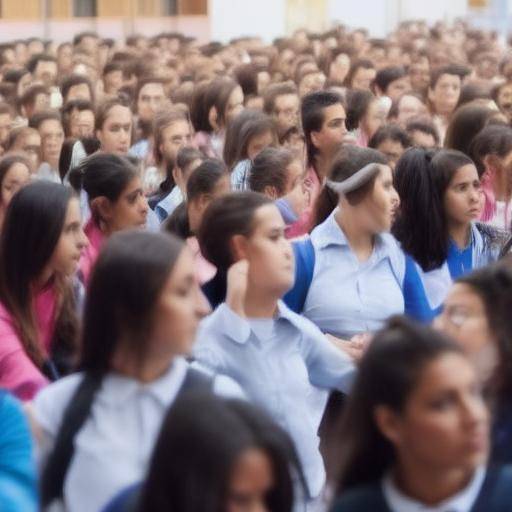
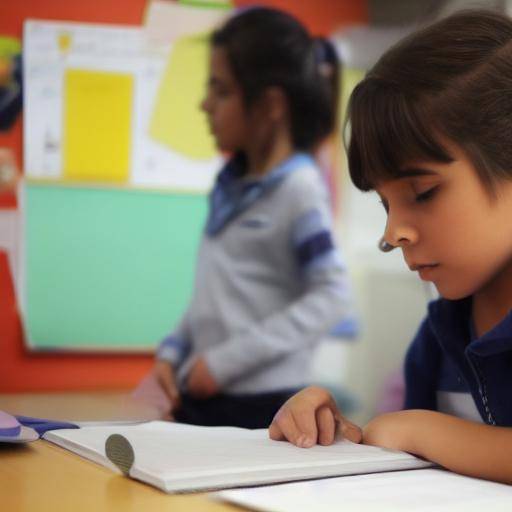
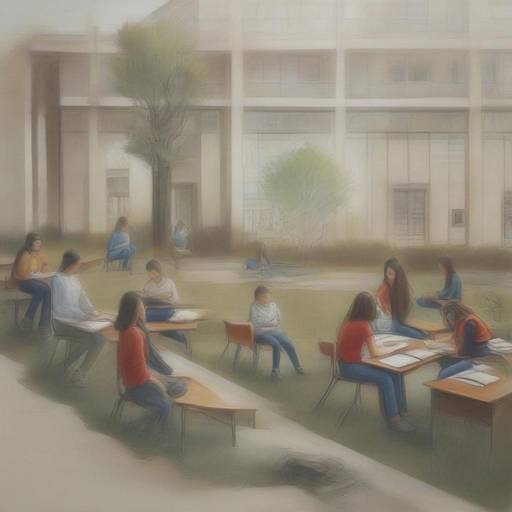
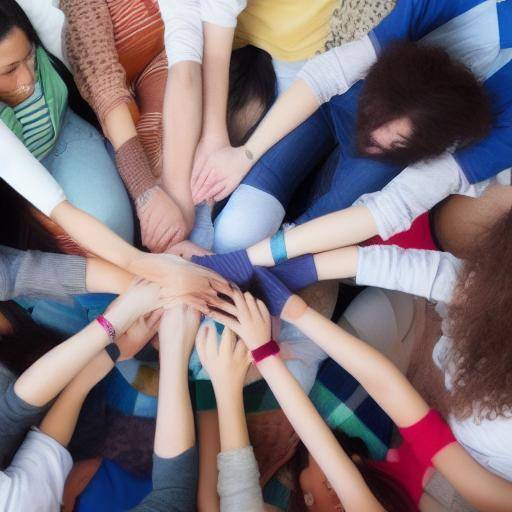
Collaboration in academic environments has proven to be a determining factor in student development and success. From group interaction to collaborative projects, the way students cooperate can significantly influence their academic performance. In this article, we will explore in depth the impact of collaboration on academic performance, analyzing its benefits, challenges, practical applications and potential future trends.
History and Background
Collaboration in the educational field has deep roots in the history of pedagogy. From ancient philosophical schools to the movements of modern education, cooperation among students has been valued by their ability to foster critical thinking and problem solving.
The concept of collaboration has evolved over time, adapting to technological advances and the changing demands of society. From the first classrooms to the virtual learning environments, collaboration has acquired new dimensions, providing opportunities for the development of social, emotional and cognitive skills.
Analysis in Deep
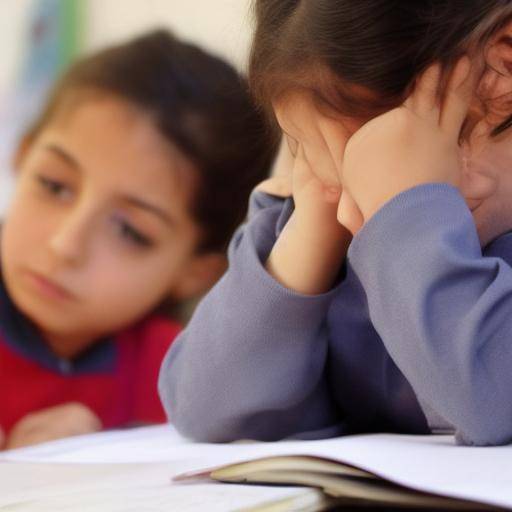
The benefits of collaboration in academic performance are significant. Studies have shown that peer interaction can promote understanding and knowledge retention, foster creativity, and improve student motivation and confidence. Collaboration, however, also poses challenges, such as conflict management, equitable sharing of tasks and ensuring the equal participation of all members of the group.
Comprehensive review
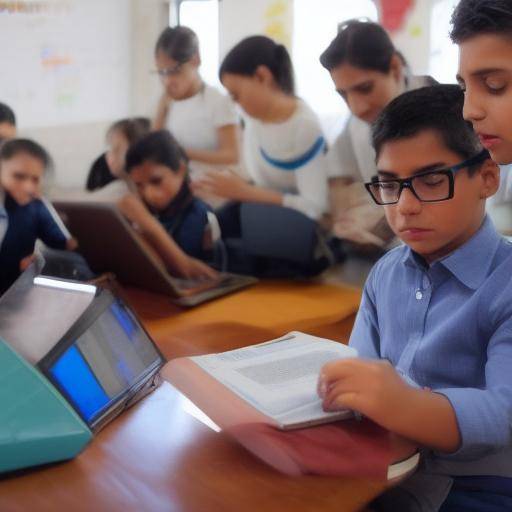
Collaboration in academic environments is manifested in various forms, from group projects to class debates. However, its effective implementation requires the consideration of best practices, the establishment of clear roles and the use of appropriate communication tools.
Current trends in education aim at a greater appreciation of collaboration as a fundamental skill for success in the world of work and everyday life. Innovative pedagogical approaches, such as project-based learning and team study, seek to strengthen student collaborative skills.
Comparative analysis
The relationship between collaboration and academic performance is complex and multifaceted. While collaboration can foster knowledge-sharing and perspectives, it is also crucial to recognize that not all students learn the same way or benefit in the same way from collaborative interactions.
Practical Tips and Contributions
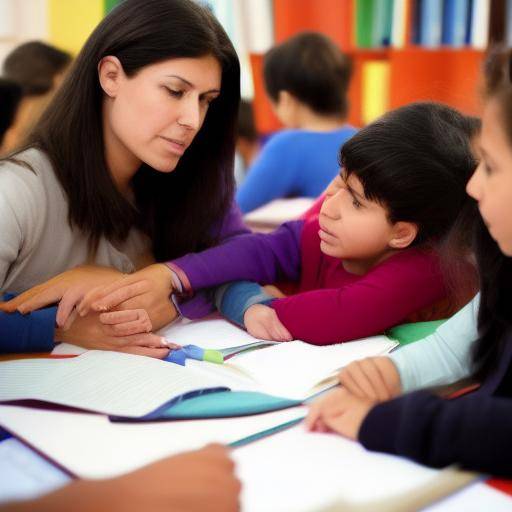
In order to optimize collaboration in academic environments, it is essential to adopt approaches that promote equitable participation, effective communication and the assessment of the diversity of students' skills and knowledge. Using digital tools, assigning rotary roles and constructive feedback are strategies that can improve the effectiveness of classroom collaboration.
Ideas and Industry Reviews
Experts in the field of education agree that collaboration is fundamental to preparing students for the challenges of the twenty-first century. Social skills, teamwork and empathy are increasingly valued competencies in the workplace, underlining the importance of fostering collaboration from early ages.
Case Studies and Practical Applications
Case studies reveal how collaboration can enhance learning and problem solving in diverse academic contexts. From the development of interdisciplinary projects to teamwork to address real challenges, practical examples illustrate how collaboration can enrich the educational experience and prepare students for a collaborative and globalized future.
Future Trends and Predictions
As education continues to evolve, collaboration is likely to be consolidated as a fundamental pillar of innovative pedagogical approaches. The integration of technology, the focus on interactive learning and the promotion of cultural and linguistic diversity are trends that can further enhance the impact of collaboration on academic performance.
Conclusions
In short, collaboration in academic environments not only positively influences academic performance, but also provides students with essential skills for their integral development. In fostering collaboration, educational institutions can cultivate inclusive, equitable and enriching environments that prepare students for a future marked by cooperation and teamwork.
Frequently asked questions
**How does collaboration affect student academic performance?**Collaboration can foster deep understanding of concepts, facilitate the exchange of ideas and promote the development of social and emotional skills, which contributes positively to academic performance.
**What are the most common challenges related to the implementation of collaborative practices in educational settings?**Conflict management, equitable sharing of tasks and ensuring equal participation of all members of the group are common challenges in implementing collaborative practices.
**To what extent can collaboration benefit students in their preparation for the world of work?**Collaboration develops key skills for success in the world of work, such as effective communication, problem solving and the ability to adapt to diverse and changing contexts.
**How can educators foster effective collaboration in the classroom?**Educators can foster effective collaboration by establishing clear roles, providing constructive feedback and promoting an environment of respect and equity.
**What are the emerging trends in the integration of collaboration into pedagogical approaches?**Emerging trends include the use of digital tools for virtual collaboration, the focus on interactive learning and the promotion of cultural and linguistic diversity.
**What is the impact of collaboration on the academic performance of students of different ages and educational levels?**The impact of collaboration can vary according to age and level of education, but in general, it is observed that it promotes the integral development of students, strengthening both their academic skills and their social skills.
In conclusion, collaboration in academic environments has a significant impact on academic performance and the preparation of students to meet the challenges of the current world. By understanding and harnessing the benefits of collaboration, educational institutions can enrich academic experience and contribute to the integral development of students.