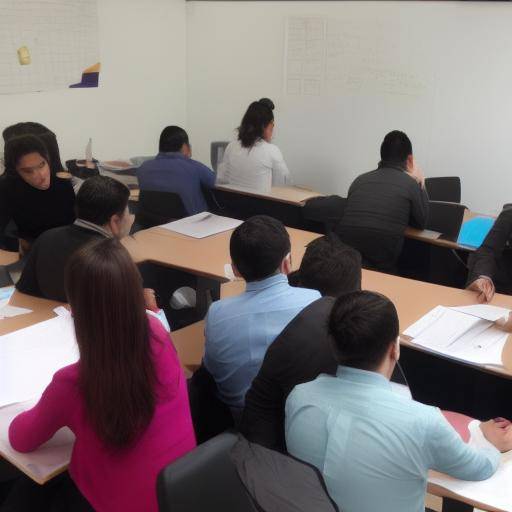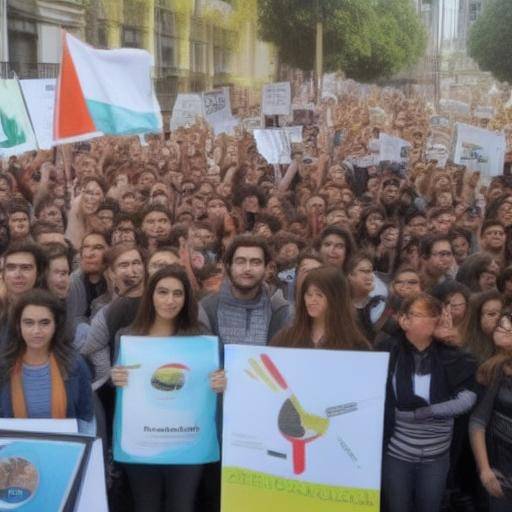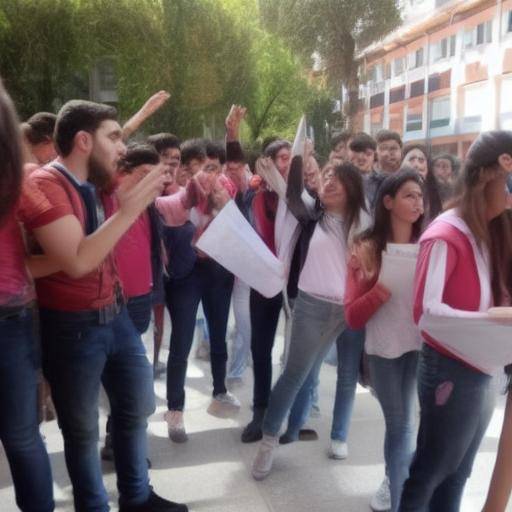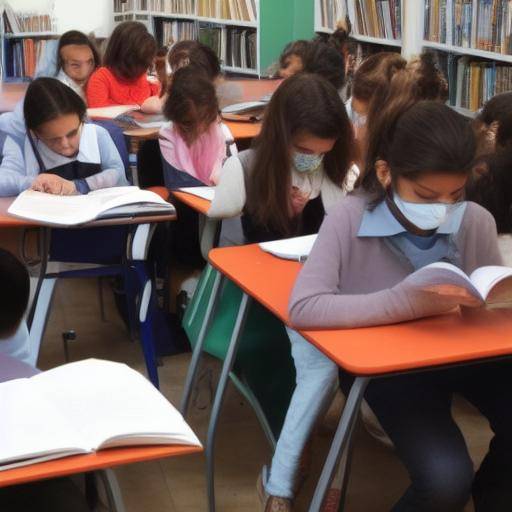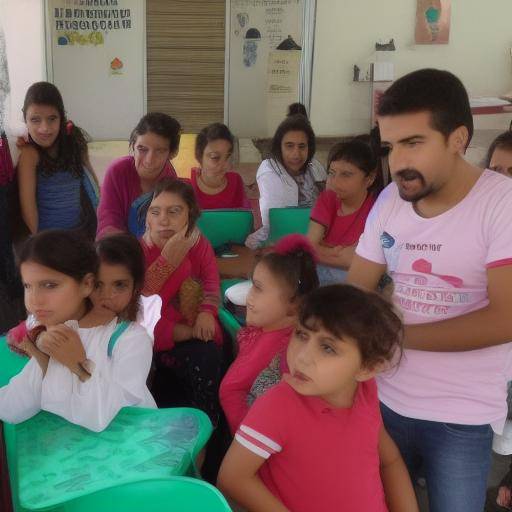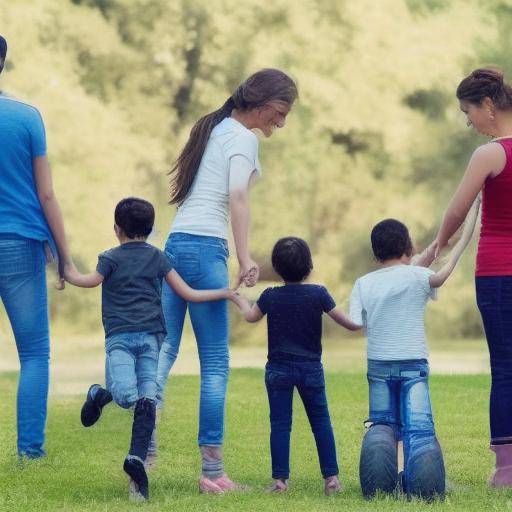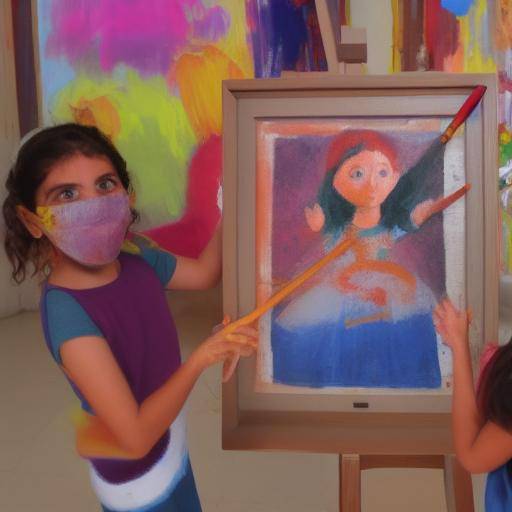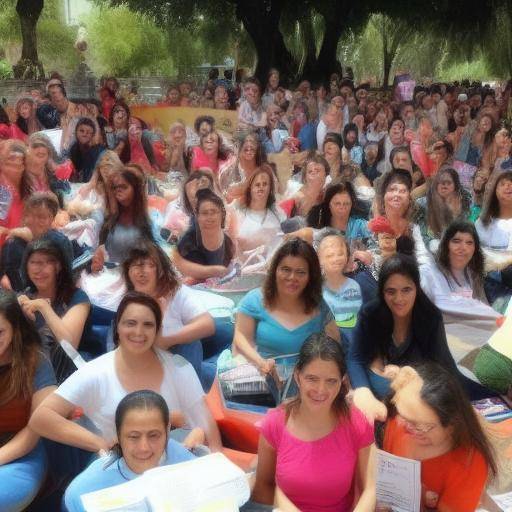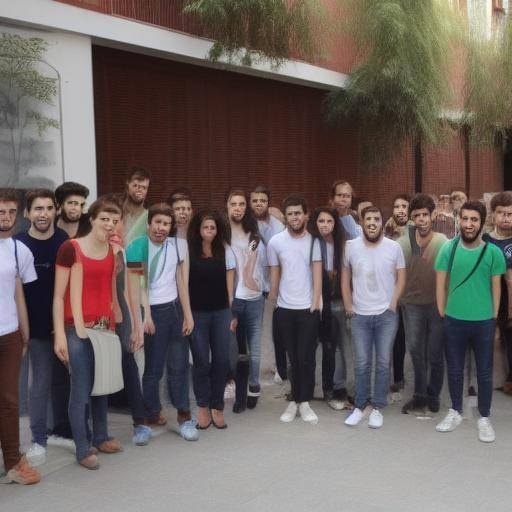
Promoting collaboration among different groups of students is a crucial aspect in the educational environment. This practice not only promotes diversity and inclusion, but also improves students' learning, creativity and social skills. In this article, we will explore effective strategies to foster collaboration among different groups of students, their benefits, challenges and how to apply these practices in educational settings.
Introduction
Collaboration among students from different groups not only helps to strengthen interpersonal relationships, but also enriches the educational experience by exposing students to diverse perspectives. In this regard, it is crucial that educators actively promote an inclusive and collaborative environment in the classroom. In this article, we will explore how to promote this collaboration effectively, as well as the benefits it entails for the personal and academic development of students.
History and Background
The concept of collaboration between different groups of students has deep roots in the history of education. From the pedagogical approaches of philosophers such as John Dewey to contemporary theories on collaborative learning, the importance of interaction between different groups of students has been widely recognized over time. Teamwork, the resolution of collective problems and the appreciation of diversity have been key elements in the development of modern education.
The evolution of collaboration between different groups of students has also been shaped by advances in technology and social changes. With globalization and the growing interconnection of cultures, fostering collaboration among students of diverse backgrounds has become a crucial aspect of life preparation in the twenty-first century.
Analysis in Deep
Collaboration between different groups of students brings multiple benefits both individually and collectively. In an educational context, the interaction between students of different cultural, ethnic or socio-economic backgrounds enriches learning by fostering empathy, understanding and cooperation. It also promotes a sense of belonging and connection with the educational community.
However, there are also challenges in fostering collaboration among different groups of students, such as language, cultural or social barriers. It is essential to proactively address these difficulties in creating a genuine and equitable collaborative environment.
Comprehensive review
The theory on collaboration among different groups in the field of education has resulted in numerous practices and methodologies that seek to enhance teamwork and cohesion among diverse students. Strategies such as cooperative learning, interdisciplinary projects and cultural integration activities have proven to be effective in fostering collaboration among students from different backgrounds.
It is essential to consider the various ways in which these practices can be adapted and applied in specific educational settings. Flexibility and sensitivity to address the particular needs and circumstances of students are key elements in ensuring that collaboration between different groups is genuine and meaningful.
Comparative analysis
The intersection of "fomentar", "colaboration" and "different groups" offers a comprehensive framework to explore the complexities and synergies that emerge by promoting collaboration among diverse students. The promotion of diversity, equity and inclusion thus becomes a fundamental pillar for comprehensive educational development.
Practical Tips and Accessible Recommendations
A number of practical strategies and recommendations can be implemented by educators to foster collaboration between different groups of students. Some of these include:
- Create interdisciplinary projects that require collaboration between students from different groups.
- Promote the active participation of all students in group activities, ensuring that each voice is heard and valued.
- Promote intercultural dialogue and intercultural exchange in the classroom by organizing events that celebrate diversity in the educational community.
Perceptions of Industry and Expert Reviews
Educators and experts agree that fostering collaboration among different groups of students is essential for the development of interpersonal skills, mental openness and preparation for a globalized world. The opinions and experiences of those working in the educational field provide a valuable insight into how to address the challenges and maximize the benefits of intergroup collaboration.
Case Studies and Applications in Real Life
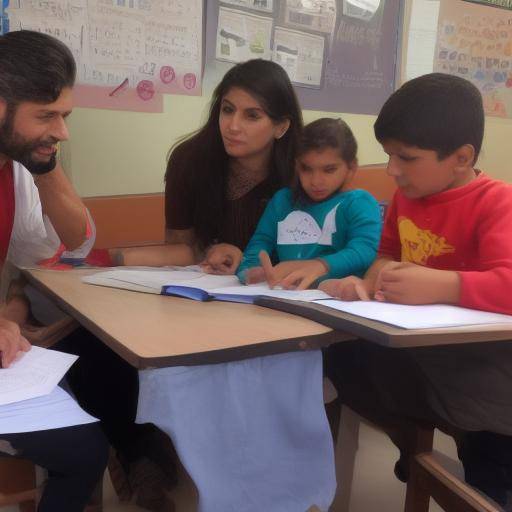
The positive impact of fostering collaboration among different groups of students is reflected in numerous case studies and examples of real-life applications. Collaborative projects, intercultural working groups, and student exchange programs are just some of the initiatives that have demonstrated the value of intergroup collaboration in educational settings.
Future Trends and Predictions
As society continues to diversify, the promotion of collaboration among different groups of students is expected to remain a priority in the educational field. Future trends aim at greater integration of intercultural approaches into the curricula, as well as greater awareness of the importance of inclusion and mutual respect among students of various backgrounds.
Conclusions
Promoting collaboration among different groups of students is a key pillar in building inclusive and enriching educational environments. The individual and collective benefits derived from this practice support the importance of fostering diversity and teamwork as essential elements in 21st century education. By adopting effective strategies and fostering an environment of mutual respect and appreciation, educators can contribute significantly to the overall growth and development of their students.
Frequently asked questions
Why is it important to foster collaboration among different groups of students?
Intergroup collaboration enriches the educational experience by exposing students to diverse perspectives, fostering empathy, understanding and cooperation.
What are the challenges in fostering collaboration between different groups of students?
Idiomatic, cultural or social barriers can represent challenges in fostering collaboration among diverse students. It is essential to proactively address these difficulties in creating a genuine and equitable collaborative environment.
What are some effective strategies to foster collaboration among different groups of students?
Creating interdisciplinary projects, promoting the active participation of all students in group activities and fostering intercultural dialogue are effective strategies for fostering intergroup collaboration.
How can educators promote an inclusive and collaborative environment in the classroom?
Educators can promote an inclusive and collaborative environment by organizing events that celebrate diversity in the educational community, and by ensuring that each voice is heard and valued in the classroom.
What is the impact of fostering collaboration between different groups of students in personal and academic development?
Intergroup collaboration contributes to the development of interpersonal skills, mental openness and preparation for a globalized world, enriching the educational experience of students.
What are future trends related to fostering collaboration among different groups of students?
Increased integration of intercultural approaches into the curricula is expected, as well as greater awareness of the importance of inclusion and mutual respect among students of various backgrounds.
Conclusion
Promoting collaboration among different groups of students is essential for building inclusive and enriching educational environments. By promoting diversity and teamwork, educators contribute significantly to the integral development of their students.