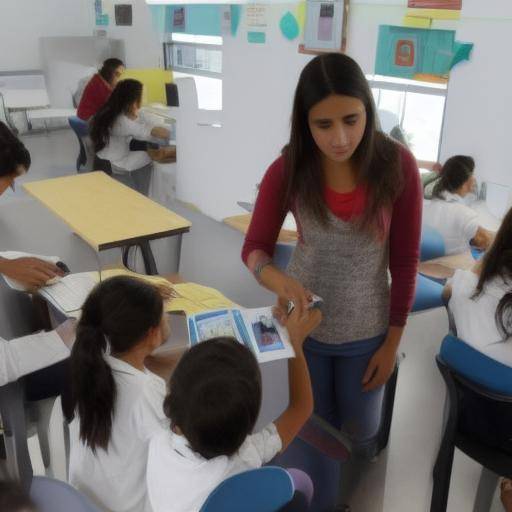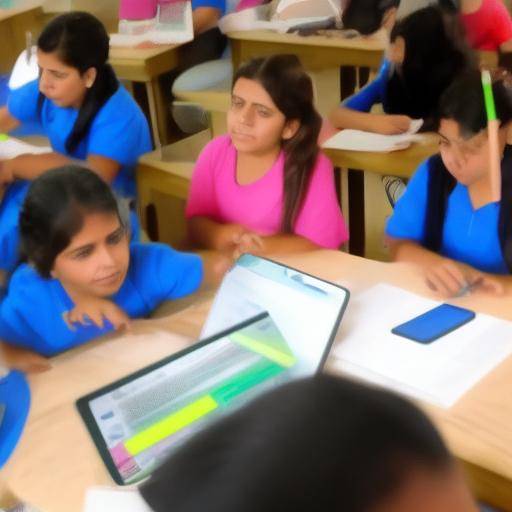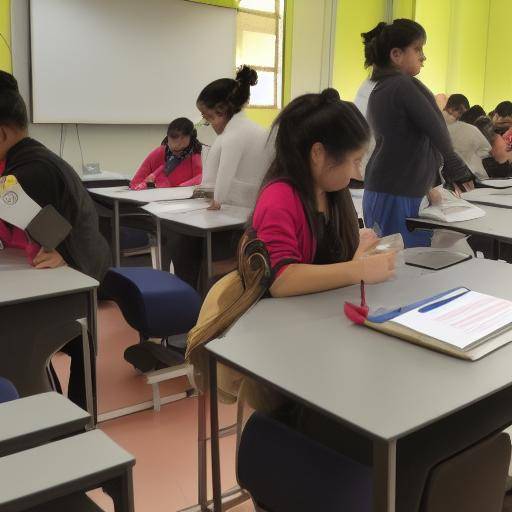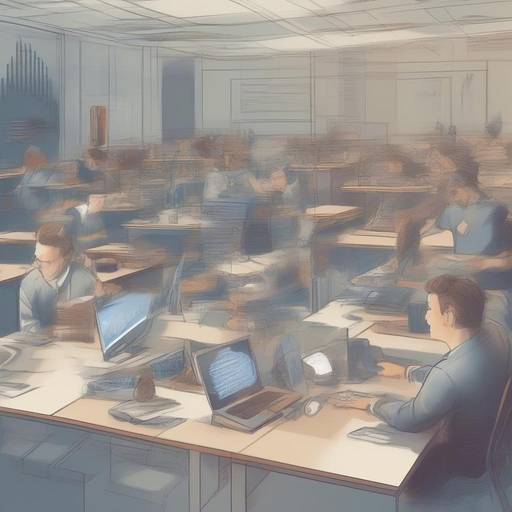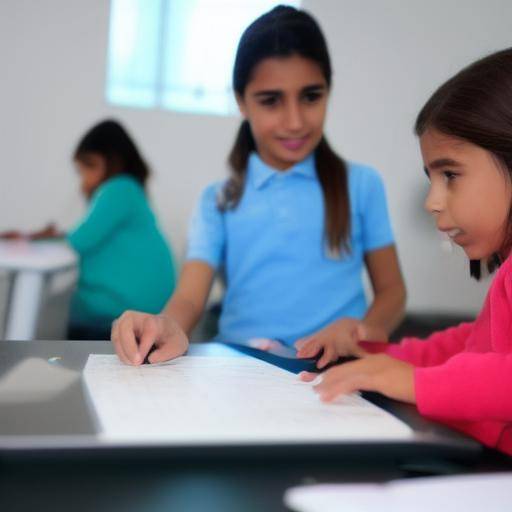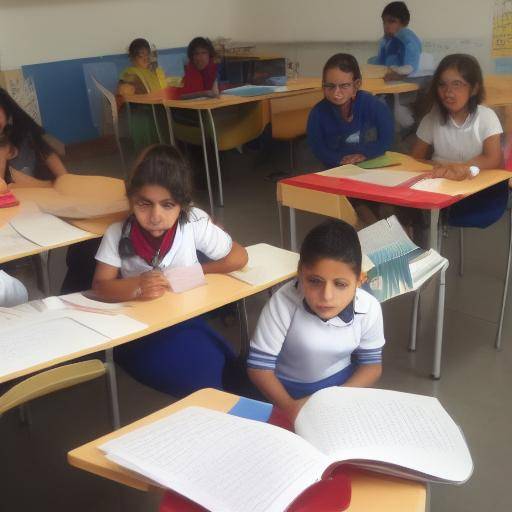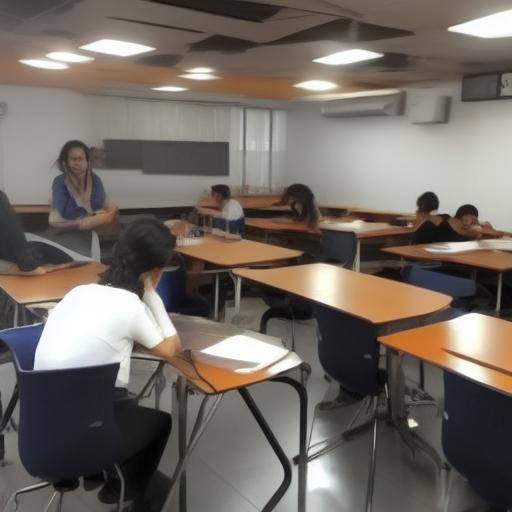
Technology has become an omnipresent tool in classrooms around the world. However, its responsible use in the educational environment is essential to maximize its benefits and minimize challenges. In this article, we will explore effective strategies to promote the responsible use of technology in the classroom, addressing both its positive aspects and the necessary precautions. From its history and evolution to practical advice and future predictions, this article will provide an integral vision of this crucial issue.
Introduction
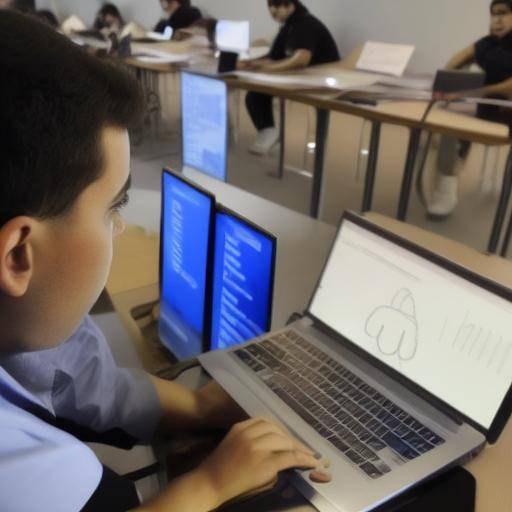
In the digital era, the presence of technology in the educational environment is undeniable. From computers and tablets to interactive boards and educational applications, technology offers countless opportunities to improve teaching and learning. However, their misuse or excessive use may present significant challenges. It is essential to address this duality to ensure responsible use that benefits students and teachers. In this regard, it is crucial to promote practices that maximize technology in the classroom, while promoting its responsible use.
History and Background
The integration of technology in the educational field has its roots in the first computers used for educational purposes in the 1960s. However, their significant presence in the classrooms began to materialize in the last decades of the twentieth century. As technology continued to evolve, discussions emerged on how to effectively incorporate it into pedagogy. Challenges related to equitable access, online security and the impact on the cognitive development of students were identified.
In-depth analysis
Benefits of classroom technology
Technology offers many benefits for education, such as personalization of learning, access to online resources and enhanced collaboration among students. In addition, it can foster digital skills essential to the future of students.
Challenges associated with the use of classroom technology
Unregulated use of technology can lead to distraction, addiction to screens and exposure to inappropriate content. It is vital to address these challenges to ensure a healthy and productive educational environment.
Current trends in the use of educational technology
The momentum towards online education, increased reality and artificial intelligence is transforming the way technology is used in the classroom and poses new opportunities and challenges.
Comprehensive review
Educational technology applications
Technology is being successfully used in various areas, such as language teaching, educational simulation and the creation of immersive learning environments.
Best practices for the use of technology in the classroom
The establishment of clear limits, the training of teachers in the effective use of technology and the implementation of security measures are key practices in promoting responsible use of classroom technology.
Comparative analysis
By comparing different approaches used to promote the responsible use of technology in the classroom, the most effective strategies and common obstacles faced by educators can be identified.
Practical Tips and Accessible Tips
- Implement digital literacy programs that address online security and responsible use of technology.
- Establish clear guidelines for the use of electronic devices in the classroom and promote compliance.
- Promote active learning by integrating technology into meaningful activities that strengthen skills and knowledge development.
Perspectives and Views of Industry Experts
According to Dr. García, an educational technology expert, "It is essential to adopt a balanced approach that values both the benefits and the risks associated with the use of technology in the classroom."
Case Studies and Practical Applications
One outstanding case of study is that of the XYZ College, where the implementation of policies of responsible use of technology has resulted in a significant increase in student engagement and a decrease in distracting behaviors.
Future Trends and Predictions
The integration of artificial intelligence into education and the increased focus on equity in access to technology are expected to be key in the future of responsible use of technology in the classroom.
Conclusions and FAQs
In short, fostering the responsible use of technology in the classroom is a crucial task that requires a balance between taking advantage of its benefits and mitigating its potential challenges. With careful implementation and a focus on best practices, technology can become a powerful ally in education.
Frequently asked questions
1. What is the role of teachers in promoting the responsible use of technology in the classroom?
Teachers play a key role in establishing clear standards, providing guidance on the appropriate use of technology and fostering digital literacy among students.
2. How can parents support the responsible use of technology in the education of their children?
Parents can monitor screen time, promote the balance between technology and other activities, and actively participate in the digital education of their children.
3. What are the effective strategies to address the addiction to technology in the classroom?
Setting time limits, promoting non-technological activities and education on the impact of excessive use of technology can help address addiction.
4. What are the legal and ethical implications related to the use of technology in education?
It is crucial to address issues of privacy, online security and equitable access to ensure responsible use of technology in the classroom.
5. What is the impact of technology on students' problem solving and critical thinking skills?
Technology can offer opportunities for the development of cognitive skills, but it is essential to balance their use with activities that encourage critical thinking and problem solving.
6. How can creativity be encouraged through the responsible use of technology in the classroom?
Creative applications, the creation of digital content and the use of design tools can promote the creative expression of students, provided that their use is properly monitored.
With this article, it is expected that educators, parents and others interested in education will be provided with a comprehensive view on how to promote the responsible use of technology in the classroom, recognizing its transformative potential and addressing its challenges in an informed and effective manner.