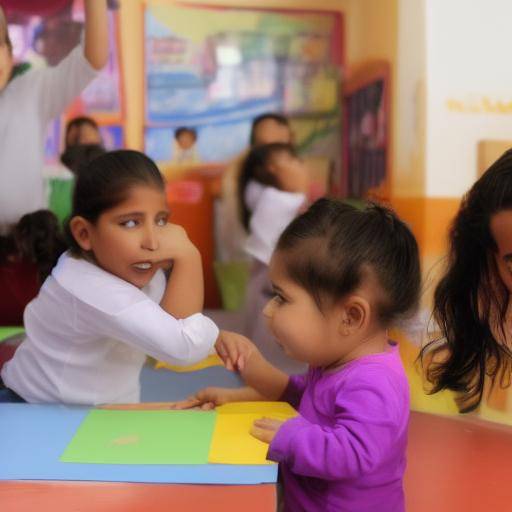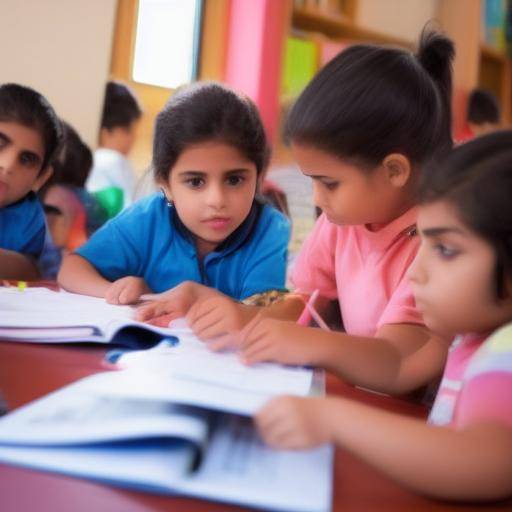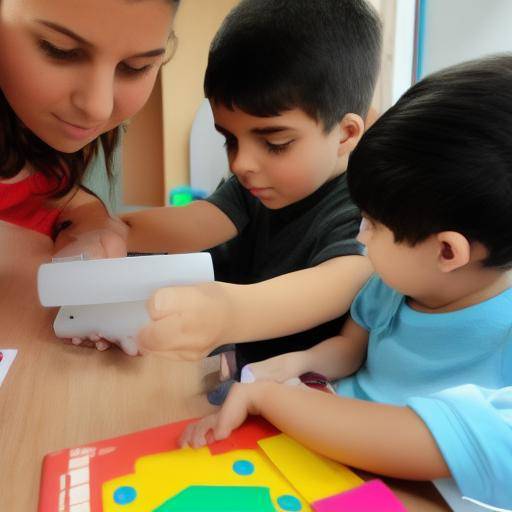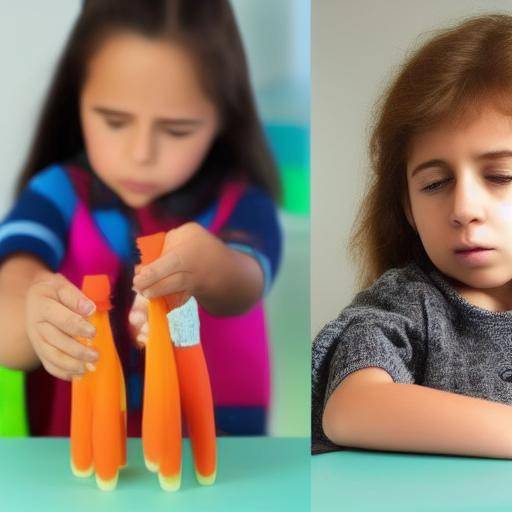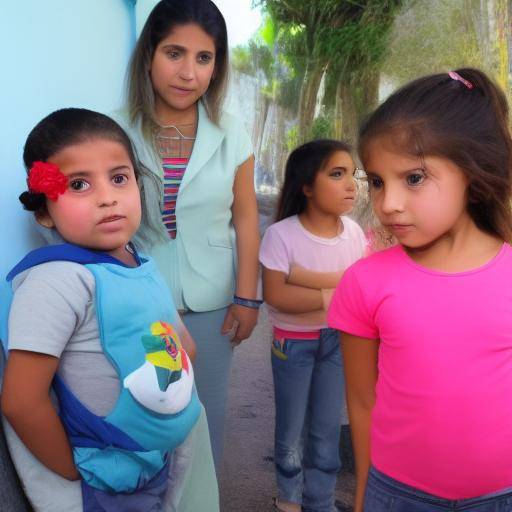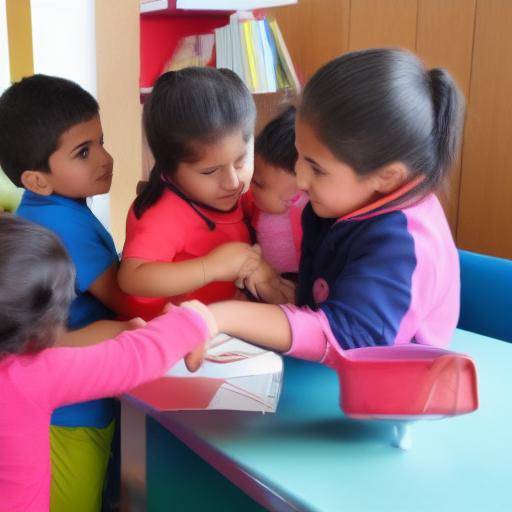
Responsibility is an essential quality that influences the integral development of children, impacting their self-esteem, decision-making and social relations. Fostering responsibility from an early age is key to instilling solid values and strengthening skills that will be useful to them throughout their lives. In this article, we will explore effective strategies to promote responsibility for children, as well as their importance and benefits, with the aim of providing practical tools for parents, educators and caregivers.
Introduction
Childhood is a crucial stage in the formation of the character and personality of a person. During these years, children begin to internalize behaviors, norms and values that will influence their emotional and intellectual development. Among these values, responsibility plays a fundamental role in preparing them to face the challenges that life holds for them. In this section, we will explore the importance of responsibility in children, addressing their definition, meaning and influence on their growth and development.
History and Background
The notion of responsibility goes back to ancient civilizations, where the concept of duty and commitment was rooted in education and customs. Throughout history, responsibility has been a pillar in the formation of individuals who are full and committed to their environment.
The evolution of responsibility in the upbringing of children has experienced significant changes over the centuries. Throughout the different eras and cultures, special attention has been paid to the importance of inculcating this value from an early age, recognizing its impact on the formation of the personality and character of individuals.
Analysis in Deep
Responsibility is not only a fundamental value in the development of children, but also entails multiple benefits. Fostering child responsibility promotes skills such as autonomy, organization and empathy, which positively impacts their academic performance, interpersonal relationships and emotional development.
However, the promotion of responsibility for children is not without challenges. Overprotection, lack of models to follow and excessive pressure can hinder this process. It is crucial to address these difficulties effectively in order to establish solid foundations for healthy and balanced accountability.
Comprehensive review
Strategies to promote child responsibility are diverse and require comprehensive approach. From the delegation of tasks appropriate to their age to the promotion of decision-making, it is vital to provide them with opportunities to assume responsibilities gradually, increasing their autonomy and self-confidence.
Value education, routine setting and open and respectful communication are key pillars for the promotion of responsibility. Likewise, the example and guidance of significant figures in the life of the child, such as parents, teachers and caregivers, play a crucial role in this process.
Comparative analysis
The intersection between responsibility, children and the promotion of this value entails a number of significant similarities and differences. The approach in the teaching of responsibility varies according to the stage of development of the child, as well as cultural practices and family contexts.
It is essential to understand these dynamics by addressing specific strategies that meet the individual needs and capacities of each child, recognizing that there is no single formula for the promotion of responsibility.
Practical Tips and Recommendations
Providing practical tools and strategies is essential for those seeking to foster responsibility for children. Establishing attainable goals, promoting collaboration in household tasks, and strengthening self-reflection are just some effective techniques to cultivate child responsibility.
In addition, praise and positive feedback are essential to strengthen responsible behaviours, as well as the establishment of natural consequences in the face of non-compliance with previously agreed responsibilities. These strategies, implemented in a coherent and comprehensive manner, contribute to the development of responsible and autonomous children.
Industry Perspectives and Expert Reviews
Experts on child pedagogy and psychology agree that the promotion of responsibility in children is a determining factor in their comprehensive development. From the perspective of the educational industry, the implementation of programs and tools that favor the development of responsible skills from an early age is promoted.
The importance of this training is reflected not only in the academic sphere, but also in the preparation of individuals capable of facing and resolving challenges in their daily life and future careers.
Case Studies and Practical Applications
Case studies tangiblely show how the promotion of responsibility impacts on the lives of children and their environment. From family environments to educational settings, practical cases demonstrate the relevance of implementing effective strategies to enhance child responsibility.
These examples reveal how the development of responsibility in children contributes significantly to their emotional well-being, leadership and interpersonal relationships, highlighting their value throughout their lives.
Future Trends and Predictions
The educational and social landscape continues to evolve, and with it, trends related to the promotion of responsibility in children. With the growing recognition of the importance of socio-emotional skills and ethical values in the formation of complete individuals, the approach in the development of responsibility is expected to be even more relevant in the future.
The integration of responsibility into educational programmes and the adoption of innovative approaches for their promotion reflect a positive projection towards the consolidation of this quality as a fundamental pillar in the formation of children.
Conclusion
In conclusion, the promotion of responsibility for children is not only an important task, but a shared responsibility of society as a whole. Recognizing its influence in the formation of full and committed individuals, it is essential to provide the tools, strategies and spaces necessary for their development.
By implementing effective strategies to promote responsibility for children, their personal growth, their sense of belonging and their ability to contribute positively to their environment are promoted. This joint effort of parents, educators and caregivers is the basis for cultivating future generations capable of facing the challenges of the world with responsibility and commitment.
Frequently asked questions
What is the importance of fostering responsibility for children from an early age?
The promotion of responsibility for children from an early age is crucial, as it allows them to develop key skills such as autonomy, decision-making and empathy, laying the foundation for their personal growth and their integration into society.
How can I encourage responsibility in my child without overprotecting him?
It is important to provide opportunities for children to assume responsibilities at their age, providing guidance and support without protecting them. Establish routines, delegate appropriate tasks and encourage decision-making are effective strategies.
What are the positive consequences of fostering responsibility for children?
The promotion of responsibility in children has multiple benefits, including the development of self-esteem, the acquisition of organizational skills and the promotion of healthy interpersonal relationships, among other positive aspects.
How can I address the promotion of responsibility in the school classroom?
In the school environment, it is essential to integrate strategies such as the allocation of roles and responsibilities, the development of collaborative projects and the promotion of reflection on the importance of making commitments, thus contributing to the integral development of students.
What role do parents play in fostering responsibility for children?
Parents play a key role in serving as models to follow and guide the development of responsibility in their children. Providing an environment of support, establishing clear expectations and promoting open communication are key strategies for fostering family responsibility.
What are the most common challenges in fostering responsibility for children?
Some common challenges in fostering child responsibility include resistance to new responsibilities, lack of consistency in the implementation of strategies and overprotection by adults. Addressing these challenges with empathy and coherence is essential for healthy development.
How can I effectively promote child responsibility?
Encouraging responsibility for children effectively requires a holistic approach that includes the delegation of appropriate tasks, the establishment of clear limits, respectful communication and the holding of achievements, thus contributing to balanced and sustainable development.
Concluding, fostering responsibility for children is a work that transcends upbringing and education, significantly impacting their training and future. By applying effective strategies, providing constant support and being models to follow, it helps to forge committed, autonomous and conscious generations of their role in society.
He recalled that the promotion of responsibility in children required patience, consistency and empathy. By maintaining an inclusive and respectful approach, you will be sowing seeds that will germinate in individuals who are full and committed to their environment. Forward in this wonderful task of forming future generations!
In short, fostering responsibility for children is essential for their comprehensive development. From an early age, this value forges skills that will be useful to you throughout your life. By implementing effective strategies, your personal growth, your sense of belonging and your ability to contribute positively to your environment are promoted.