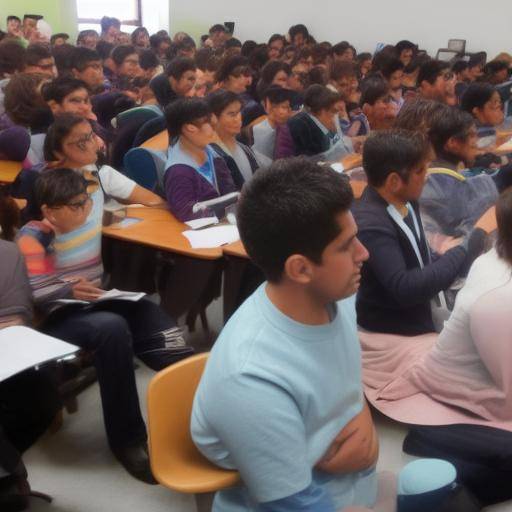
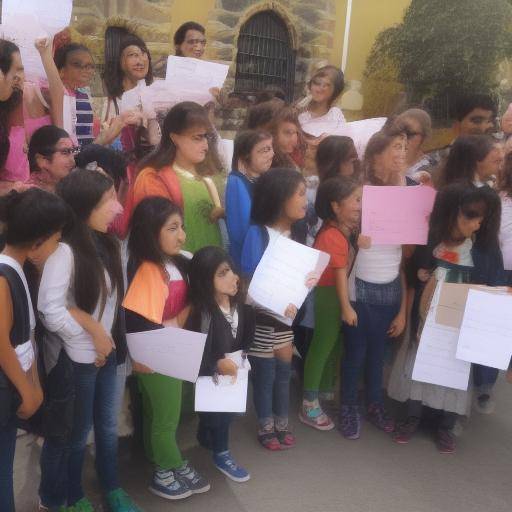
Linguistic diversity is an important aspect of society and culture, which must be recognized and promoted through education. In a globalized world, where intercultural interactions are constantly increasing, understanding and appreciation of linguistic diversity are crucial for social cohesion and effective communication.
This article explores effective strategies for education on linguistic diversity, highlighting its importance, challenges, and impact on society. You will discover how the integration of specific strategies in educational environments can promote respect and appreciation of different languages, enriching educational experience and fostering inclusion.
Importance of education on linguistic diversity
Linguistic diversity is a cultural treasure that reflects the wealth and variety of communities around the world. In an educational context, the promotion of linguistic diversity not only enriches the learning of students, but also promotes tolerance, respect and intercultural understanding. By recognizing and assessing the different languages, cultural identity is enhanced and an inclusive environment that celebrates plurality is created.
Strategies to promote linguistic diversity in education
Integration of multilingual content in the educational curriculum
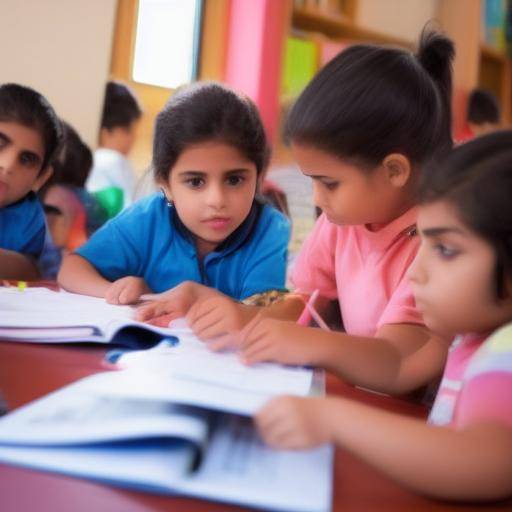
By incorporating multilingual content into the educational curriculum, students' learning experiences can be enriched, while promoting respect and appreciation of different languages. This may include the inclusion of literature, poetry, songs and teaching materials in various languages, thus broadening the cultural and linguistic acquis of students.
Promotion of bilingualism and teaching of second languages
Promoting bilingualism and teaching of second languages from the early stages of education is essential to ensuring that students develop diverse linguistic skills and value the importance of linguistic diversity. Linguistic immersion and cultural exchange programmes can be effective strategies to promote the acquisition of new languages and intercultural understanding.
Celebration of diversity through cultural events and activities
Organizing cultural events and activities that highlight the wealth of different languages and traditions is an effective way of sensitizing the educational community on the importance of linguistic diversity. Language festivals, multilingual poetry contests, and talks about the importance of preserving languages in danger of extinction, can generate awareness and promote an environment of respect and appreciation for linguistic diversity.
Education in linguistic diversity and multiculturalism
Providing specific training to teachers on linguistic diversity and multiculturalism trains them to integrate pedagogical strategies that promote the assessment of different languages and cultures in the classroom. Awareness of the importance of linguistic diversity, together with the development of skills to adapt the curriculum to the diverse linguistic needs of students, is critical to fostering an inclusive educational environment.
Use of technology to promote linguistic diversity
Technology can be a powerful tool to promote linguistic diversity in education. The development of multilingual digital resources, language learning applications, and educational platforms that allow the exchange of knowledge in different languages, can expand access to diverse educational content and enrich the learning experience of students in an inclusive manner.
Conclusion
Education on linguistic diversity is critical to promoting intercultural understanding, respect and appreciation of different languages and cultures in society. By integrating specific strategies into educational environments, an inclusive environment that enriches the educational experience of students and prepares future generations for a globalized world. The promotion of linguistic diversity through strategies that include curriculum integration, cultural celebration and the promotion of bilingualism contributes to the construction of more inclusive and respectful societies of diversity. With a proactive approach to education on linguistic diversity, they lay the foundation for a future in which all languages and cultures are valued and preserved.
I hope this article meets your expectations! If you need any modification or adjustment, do not hesitate to ask me.