Introduction
The development of leadership has now become a crucial aspect of comprehensive youth training. The extracurricular environment, far from only recreational, provides an exceptional platform for cultivating leadership skills. Through this article, we will explore how educators, parents and student leaders can leverage extracurricular activities to foster leadership skills among young people. We will discover how teaching and leadership intertwine in the context of activities outside the classroom, and explore practical strategies to promote leadership among students.
History and Background
The concept of teaching leadership through extracurricular activities has its roots in the need to form complete individuals, capable of facing challenges with resilience and leadership. Since ancient times, education was not confined to the classroom, but was extended to everyday activities, where young people learned practical, social and leadership skills. Throughout history, this approach has remained relevant and has even gained greater importance in the modern era, where leadership skills have been recognized as essential to personal and professional success.
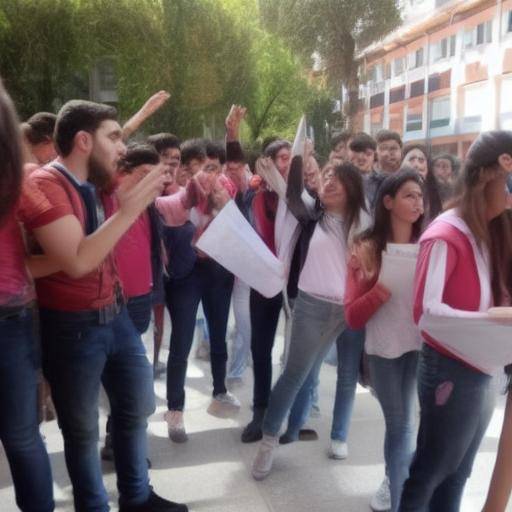
The first movements in teaching leadership through extracurricular activities go back to the foundation of the first clubs and student organizations in educational institutions. These spaces provided students with the opportunity to play leadership roles, organize events, and participate in community activities, strengthening their management, communication and decision-making skills.
In the digital era, extracurricular activities have expanded to include fields such as entrepreneurship, volunteering, sport, and art, providing students with multiple opportunities to develop leadership skills in various contexts. Technological advances have also influenced how leadership is taught and promoted, opening up new possibilities for learning and collaboration.
Analysis in Deep
Building leadership skills through extracurricular activities brings significant benefits to the personal, academic and professional development of young people. These experiences provide students with a space to assume leadership roles, take initiatives, work as a team, and develop problem solving skills, communicative skills and empathy.
On the other hand, while extracurricular activities offer fertile ground for leadership development, they also pose challenges. Diversity of interests, resource management and inclusive participation are aspects that require careful attention from educators and student leaders. In addition, it is essential to be aware of possible socio-economic barriers that may limit the participation of certain groups of students in these activities.
Comprehensive review
The most effective approach to teaching leadership through extracurricular activities encompasses a combination of teaching models, mentoring by student and adult leaders, and opportunities for experimentation and reflection. The implementation of formal and non-formal programmes that promote leadership must be supported by a continuous evaluation that will enable the adaptation of strategies and ensure the inclusion and commitment of all participants.
By comparing different methods of teaching leadership through extracurricular activities, it is crucial to recognize that there is no single formula. Approaches must adapt to the characteristics and needs of students, taking into account cultural, socio-economic and generational contexts. In addition, specific leadership experiences in extracurricular activities should be explored, as these offer valuable lessons that enrich the educational process.
Comparative analysis
In order to teach leadership through extracurricular activities with other methods of leadership teaching, such as in the classroom, it is noted that extracurricular activities offer a more dynamic and practical environment for the application of leadership skills. While the classroom can provide conceptual theory and foundations, activities outside school hours allow students to experience leadership in real situations, face real challenges and learn collectively through interaction with their peers.
Practical Tips and Accessible Tips
To maximize the use of extracurricular activities as a platform for teaching leadership, it is essential to involve students in project planning and implementation, promote diversity of ideas and perspectives, and foster an environment of collaboration and mutual support. Educators and student leaders can set clear goals, provide constructive feedback, and provide opportunities for reflection and follow-up of progress. Personalized orientation and identification of individual strengths are also essential for the growth of leadership among students.
Industry Perspectives and Expert Reviews
Expert opinions on youth education and development highlight the importance of integrating leadership into all aspects of education, including extracurricular activities. Successful leaders and mentors underscore the need to cultivate leadership skills from an early age, and highlight the transformative role that extracurricular activities play in enhancing trust, decision-making and empathy in students.
In analyzing current trends and future projections, there is a growing interest in leadership development through extracurricular activities, driven by the demand for soft work skills and growing awareness of the importance of comprehensive youth development.
Case Studies and Practical Applications
To illustrate the impact of teaching leadership through extracurricular activities, case studies will be presented that demonstrate how different educational communities have successfully implemented leadership programs in extracurricular environments. The results, challenges and lessons learned will be analysed, with the aim of highlighting the best practices and effective strategies that can be replicated in other educational institutions.
Future Trends and Predictions
Future trends in education and leadership development aim at greater integration of extracurricular activities into educational programmes, with an approach to the development of adaptive leadership skills, such as resilience, emotional intelligence and the ability to innovate. Greater emphasis is expected on interdisciplinary collaboration and practical learning, with an approach to preparing young people to face the challenges of a changing world.
Conclusions and FAQs
In short, teaching leadership through extracurricular activities is a fundamental strategy for the integral development of young people, with benefits that transcend the educational sphere to impact their future lives. By providing students with the opportunity to practice leadership skills in diverse and meaningful contexts, their leadership capacity is strengthened and their personal growth is encouraged.
Frequently asked questions
1. Why is it important to teach leadership through extracurricular activities?
The extracurricular environment offers real scenarios for the development of leadership skills, promoting decision-making, problem solving and teamwork.
2. How can educators integrate leadership into extracurricular activities?
Educators can provide opportunities for students to assume leadership roles, encourage inclusiveness and diversity, and provide constructive feedback.
3. What are the long-term benefits of teaching leadership through extracurricular activities?
The development of leadership skills through extracurricular activities prepares young people to assume leadership roles in their personal and professional lives, promotes resilience and capacity to face challenges.
4. How can parents support leadership development through extracurricular activities?
Parents can encourage their children to participate in extracurricular activities, participate actively in community organizations and provide emotional and logistical support to their children in their participation in extracurricular activities.
5. Is there a unique approach to teaching leadership through extracurricular activities?
No, the approach to teaching leadership through extracurricular activities must adapt to the unique needs and characteristics of students, taking into account their cultural, socio-economic and personal contexts.
6. What are future trends in leadership teaching through extracurricular activities?
Increased integration of extracurricular activities into education programmes is expected, with an approach to developing adaptive leadership skills and preparing for the challenges of a changing world.
Conclusion
Teaching leadership through extracurricular activities is a valuable component in the integral training of young people, providing meaningful experiences that strengthen their leadership skills and shape their future. By effectively taking advantage of the opportunities offered by extracurricular activities, educators, student leaders and parents can contribute significantly to the development of the next generation of competent, ethical and empathetic leaders.